Maintaining a personal chiller ice maker ensures clean ice, better performance, and longer appliance life. This guide walks through practical steps using common cleaning products and tool sets, with an emphasis on safe handling and effective results.
Readers will find a concise, actionable process—from prep and safety to step-by-step cleaning and quick maintenance tips. The goal is to help homeowners restore ice quality and prevent mineral buildup without professional service.
Quick Answer
Run a cleaning cycle with a descaler solution, scrub interior surfaces with a dedicated ice maker cleaning brush, rinse thoroughly, and air-dry before returning to service. Use an appliance-grade cleaner for stubborn residues and follow with a maintenance routine to prevent future buildup.
What You’ll Need
- Ice maker cleaning kit with descaler tablets
- Ice maker cleaner tablets appliance-grade
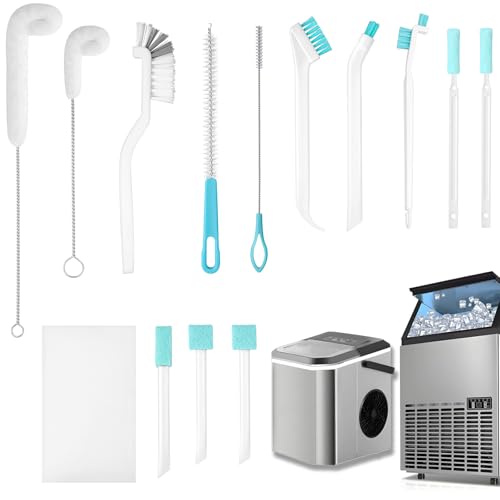
- Ice maker cleaning brush set
- Portable mini ice maker descaler solution 16 oz
- Ice maker maintenance kit with brushes


Before You Start
Unplug the ice maker and disconnect from any power source before cleaning. Empty any remaining ice and allow the unit to cool to room temperature. Use protective gloves and vented containers when handling descalers, as some products can be strong or irritants. Plan for a 30–60 minute cleaning window, plus adequate drying time.
Ensure good ventilation in the cleaning area and read the product labels for dilution ratios and contact times. Do not mix descalers with bleach or ammonia, which can release dangerous fumes. If the unit has a removable water reservoir, detach it for thorough cleaning.
Step-By-Step: How To Clean A Personal Chiller Ice Maker
- Unplug the unit and remove all ice from the storage bin.
- Detach the water reservoir and any removable paddles or ice-cube molds, if designed for disassembly.
- Prepare the descaler solution according to the product instructions and fill the reservoir or cleaning chamber.
- Run a cleaning cycle or manually circulate the solution through the ice maker’s water lines, allowing the descaler to contact interior surfaces for the recommended time.
- Drain the descaler, rinse the reservoir, and repeat with clean water to remove any residue.
- Use the ice maker cleaning brush set to scrub interior corners, the ice bin, and any stubborn spots where mineral buildup appears.
- Rinse again with fresh water until the taste and scent are neutral, then reassemble all parts.
- Fill the reservoir with clean water and run a final rinse cycle to flush the system thoroughly.
- Discard the rinse water and wipe the exterior with a damp cloth. Allow the interior to air-dry completely before loading ice again.
- Sanitize the ice bin and storage area with a mild, food-safe cleaner if desired, and dry before use.
- Reset the ice maker and run a small batch of ice to verify operation and flavor; discard the first batch after cleaning.
Troubleshooting
| Symptom | Likely Cause | Fix | Prevention |
|---|---|---|---|
| Ice tastes off after cleaning | Residual cleaning agents | Rinse thoroughly; run multiple clean water cycles | Rinse until odor-free |
| Ice is cloudy or white | Mineral buildup or insufficient rinsing | Extend descaling and rinse cycles | Regular maintenance and use of cleaner tablets |
| Unit won’t dispense ice | Clogged inlet or failed pump | Clean inlet paths and ensure moving parts aren’t blocked | Keep reservoir clean and free of mineral deposits |
| Ice maker leaks | Loose fittings or overfilled reservoir | Check seals and correct water level | Follow fill instructions precisely |
| Unit stops mid-cycle | Overheating or blocked vent | Ventilate area and remove obstructions | Avoid overfilling and allow cooling periods |
Common Mistakes
- Using harsh cleaners or bleach not labeled for appliances
- Skipping the final rinse, leaving chemical residues
- Failing to dry interior completely, promoting mold or odors
- Overfilling the reservoir during maintenance cycles
- Not following descaler contact times, reducing effectiveness
Tips For Best Results
- Schedule quarterly cleanings to prevent mineral buildup and improve ice clarity
- Use the descaler solution as directed for optimal performance
- Keep the cleaning brush set handy for corners and nooks
- Label calendar reminders for regular maintenance
- Store cleaning solutions away from food prep areas and out of reach of children
Call A Professional
Seek professional help if the ice maker: fails to operate after thorough cleaning, leaks persist despite resealing, exhibits persistent unusual odors after multiple cleanings, or shows electrical concerns such as flickering lights or unusual sounds. Do not attempt internal repairs beyond basic cleaning—electrical components require trained technicians.
FAQ
Can I use regular household cleaners to clean a personal ice maker?
It is best to use appliance-grade cleaners or descaling products specifically designed for ice makers to avoid residue and potential damage.
How often should I descale a personal ice maker?
Most units benefit from a cleaning every 1–3 months depending on mineral content in the water supply and frequency of use.
Is it safe to use a portable descaler solution for built-in ice makers?
Yes, if the solution is labeled for ice makers and used according to the manufacturer’s instructions.
What should I do with the first batch of ice after cleaning?
Discard the first batch to ensure any residual cleaner is flushed from the system.
Can I use vinegar for cleaning my ice maker?
Vinegar can work as a descaler in some cases, but it may leave an odor or taste; use only products recommended by the manufacturer or a trusted appliance cleaner.
Buying Guide
When choosing cleaning supplies and maintenance gear for a personal chiller ice maker, consider size compatibility, cleaning efficacy, and safety features. Key buying factors include:
- Descaler quality and contact time for mineral removal without harming surfaces
- Cleaner tablets that are appliance-grade and food-safe
- Cleaning brushes designed for ice maker interiors to reach tight corners
- Maintenance kits that bundle brushes and descalers for convenience
- Portability for small, countertop models and built-in units
Consider whether the unit is countertop or portable, noise tolerance, energy use, and available controls for automated cycles. Check for compatibility with your water quality (hard vs. soft water) and how easy it is to disassemble for cleaning. If the appliance is under warranty, verify that cleaning agents and procedures won’t void coverage. A well-chosen kit can simplify routine maintenance and extend the life of a personal ice maker.