Keeping a mattress fresh and odor-free is essential for better sleep and healthier nights. Baking soda is a simple, inexpensive option that helps absorb moisture and neutralize odors. When combined with the right tools, you can clean a mattress effectively without harsh chemicals. This guide provides practical, step-by-step methods tailored for American households.
The process blends simple cleaning with practical tools to tackle dust, stains, and lingering smells. Readers will learn how to prepare the surface, apply baking soda, and use common cleaning devices safely on a mattress. The goal is a fresher, longer-lasting mattress with minimal fuss.
Quick Answer
Fast method: Vacuum the surface, lightly mist with a mild cleaning solution or water, sprinkle baking soda to cover all areas, let sit for 15–60 minutes, then vacuum again. For stubborn stains, apply a stain remover, blot, then bake soda and vacuum. Always dry the mattress completely before putting on sheets.
What You’ll Need
- Handheld vacuum for mattress cleaning
- Fabric steamer for mattress cleaning
- Mattress stain remover spray 16 oz
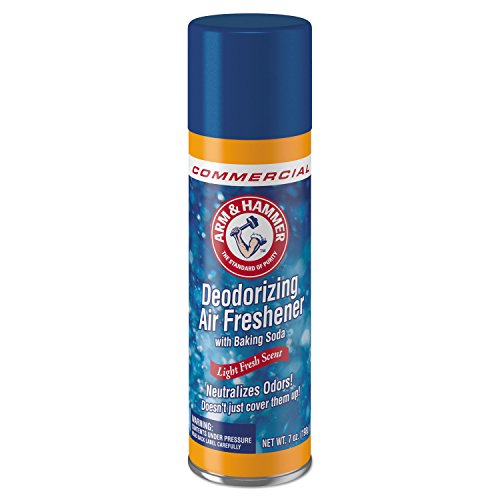
- Baking soda deodorizer for mattresses
- Vacuum with HEPA for mattress cleaning


Before You Start
Clear the area and remove sheets and bedding. Test any cleaner on a small, inconspicuous area to ensure no color bleed or fabric damage. Ventilate the room well to avoid inhaling dust. Time estimates vary: plan 30–60 minutes for a thorough job, plus drying time. Precautions: avoid soaking the mattress; excess moisture can lead to odors or mold. Ensure the mattress is completely dry before re-covering.
Step-By-Step: How To Clean A Mattress With Baking Soda
- Strip the bed and vacuum the entire surface with a handheld or HEPA-equipped vacuum to remove loose dust and debris.
- Inspect for visible stains. If present, apply a mattress stain remover spray to the affected areas and blot with a clean cloth until most of the stain lifts.
- Lightly mist the mattress with a minimal amount of water or a gentle cleaning solution. Do not soak; the goal is damp, not drenched.
- Evenly dust baking soda deodorizer for mattresses over the surface. Focus on areas with odors or visible moisture.
- Let the baking soda sit for 15–60 minutes to absorb moisture and odors. For deeply soiled spots, extend the time by 30 minutes.
- Vacuum again with a clean attachment to remove the baking soda entirely. Use slow, deliberate passes to catch all residue.
- If odors persist, repeat the baking soda step or spot-treat with the stain remover spray, then re-vacuum after drying.
- Use a fabric steamer on a low setting to help lift fibers and further reduce moisture. Allow the mattress to air-dry completely before reusing.
- Protect the mattress with a waterproof cover or fitted protector to prevent future moisture buildup.
- Reassemble bedding and return to normal use once the mattress is fully dry.
Troubleshooting
| Symptom | Likely Cause | Fix | Prevention |
|---|---|---|---|
| Persistent musty odor | Moisture trapped in mattress | Repeat baking soda treatment and ensure thorough drying | Use a mattress protector; avoid oversleeping moisture |
| Stains reappearing | Deep-set stains | Pre-treat with stain remover spray before baking soda steps | Address spills promptly |
| Moisture marks after cleaning | Over-wetting | Use minimal spray; dry quickly with air flow | Ventilate during and after cleaning |
| Dust clouds when vacuuming | Dry dust buildup | Vacuum slowly with HEPA attachment | Regular maintenance cleaning |
Common Mistakes To Avoid
- Over-wetting the mattress, which slows drying and risks mold.
- Using harsh cleaners that can irritate skin or degrade fabrics.
- Neglecting to dry thoroughly before replacing sheets.
- Skipping pre-cleaning vacuum, which reduces cleaning effectiveness.
Tips For Best Results
- Schedule cleaning on a dry day with good airflow to speed up drying.
- Work in sections to ensure even baking soda coverage and easier cleanup.
- Pair baking soda with a mattress protector to extend freshness between cleanings.
- For sensitive sleepers, consider a fragrance-free baking soda or optional odor-neutralizing additives.
Call A Professional
Seek professional help if the mattress shows signs of mold growth, persistent staining after multiple treatments, or if there is severe moisture damage. Stop cleaning and contact a pro if you notice a musty, damp odor that doesn’t improve after drying and ventilation.
FAQ
Can baking soda harm my mattress?
When used as directed and fully dried, baking soda is safe for most mattresses and helps absorb moisture and odors.
How long does a baking soda cleaning take?
Typically 30–60 minutes for application and drying time, plus additional time for any re-cleaning if needed.
Is a vacuum with HEPA necessary?
Using a HEPA-equipped vacuum helps trap fine dust particles and improves overall cleanliness.
Should I wash my sheets first?
Yes. Launder bedding separately to remove surface oils and dust before mattress cleaning.
Can I use essential oils with baking soda?
Oils can leave residues; if used, apply sparingly and ensure complete drying before sleeping on the mattress.
Is steam cleaning safe on all mattresses?
Fabric steamers are generally safe on most fabrics when used on a low setting and with minimal moisture.
Buying Guide
Choosing the right tools for mattress care can boost effectiveness and simplify maintenance. Consider size, noise, energy usage, and compatibility with your cleaning routine.
- <bSize and weight: Compact handheld vacuum options fit tight spaces; larger units may offer greater suction for dense dust.
- <bNoise level: Look for quiet models if sleeping areas require minimal disruption.
- <bEnergy efficiency: Energy-efficient vacuums save running time and reduce electrical load for routine cleaning.
- <bContols and attachments: A model with a versatile nozzle and HEPA filter enhances performance on mattresses.
- <bPlacement considerations: Choose a stable surface and accessible outlets for convenient cleaning sessions.
Thinking about a complete setup? A handheld vacuum, a fabric steamer, and a dedicated mattress stain remover spray form a practical core kit. The baking soda deodorizer adds a simple, effective touch for ongoing freshness. If odors or stains persist, explore deeper cleaning options or consult a pro for advanced treatments. With the right equipment and a simple routine, maintaining a fresh, clean mattress becomes a straightforward part of home care.