Keeping an acrylic bathtub clean helps maintain its shine and prevents stains from becoming permanent. With the right tools and a simple routine, homeowners can remove soap scum, mineral deposits, and grime without scratching the surface. This guide uses safe, consumer-grade products and practical steps for American bathrooms.
Quick Answer
Best practice: Use a non-abrasive acrylic bathtub cleaner, a soft sponge or microfiber pad, and a nylon bristle tub brush for tough corners. Rinse well after each step to prevent residue and repeat weekly for best results.
What You’ll Need
- Non-abrasive acrylic bathtub cleaner 32oz
- Microfiber scrub pad for acrylic tub cleaning
- Nylon bristle tub brush for acrylic bathtub
- Soft sponge non-scratch scrub pad for acrylic tub
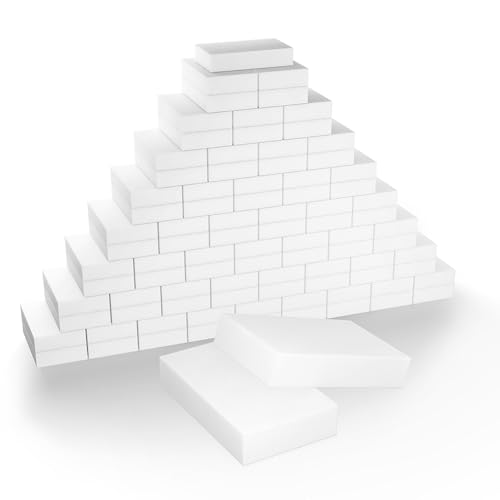
- Melamine foam sponge bath cleaner for acrylic bathtub


Before You Start
Prepare a clean, ventilated area and remove personal items from the tub. Test cleaners in a small, inconspicuous spot first to ensure colorfastness. Allow some time for the product to work on soap scum before scrubbing. Never use abrasive pads, scouring powders, or harsh bleach on acrylic surfaces as these can dull or scratch the finish. Plan a 15–30 minute session for routine cleaning, or longer if build-up is heavy.
Step-By-Step: How To Clean Acrylic Tub
- Moisten the tub surface with warm water to loosen grime and help cleaners spread evenly.
- Apply the non-abrasive acrylic bathtub cleaner along the shower surround and tub walls, focusing on stained areas.
- Let the product sit for 5–10 minutes to break down soap scum and mineral deposits.
- Gently scrub with the microfiber scrub pad, moving in circular or long, smooth strokes to avoid scratching.
- Use the nylon bristle tub brush for corners, drain edges, and grout-like seams where grime collects.
- For stubborn spots, gently work in a melamine foam sponge in a small, sealed area and rinse frequently.
- Rinse thoroughly with clean water, removing all cleaner residue from the surface.
- Dry with a soft cloth or microfiber towel to prevent water spots and keep the surface glossy.
- Inspect the tub for remaining stains; repeat the steps on any persistent areas.
- Finish with a quick wipe-down after each use to maintain cleanliness and extend the time between deep cleans.
- Periodically repeat the process to prevent buildup and keep the acrylic looking new.
- Store cleaning tools where they dry completely to reduce mildew and odors.
Troubleshooting
| Symptom | Likely Cause | Fix | Prevention |
|---|---|---|---|
| Streaks after rinse | Residual cleaner or hard water | Re-rinse with warm water and dry | Rinse thoroughly and wipe dry after each cleaning |
| Scratches or dull patches | Abrasive pads or cleaners | Switch to non-abrasive products and pads | Use only approved tools for acrylic |
| Soap scum return quickly | Soap residue builds up between cleanings | Increase cleaning frequency to every week | Rinse after each shower and use a daily wipe |
| Discoloration in corners | Mold or mineral deposits | Apply cleaner, scrub firmly with brush, rinse | Ensure proper ventilation and dry surfaces |
Common Mistakes
- Using abrasive pads or steel wool on acrylic surfaces
- Letting cleaners sit too long or not rinsing completely
- Neglecting to dry the tub after cleaning
- Ignoring persistent stains and avoiding targeted spot treatment
Tips For Best Results
- Schedule a regular weekly cleaning to prevent heavy buildup.
- Keep a dedicated microfiber cloth for drying to maintain shine.
- Ventilate the bathroom during cleaning to reduce fumes and moisture
- Test any new cleaner on a small area first to ensure compatibility with the acrylic finish
- Clean shower doors and surrounding tiles periodically to prevent cross-mess onto the tub
Call A Professional
Call a professional if:
- There are deep, irreversible stains or discolored patches that do not respond to standard cleaners
- Plumbing issues or persistent mold require more than cleaning the surface
- Severe surface damage or cracks are present
FAQ
What type of cleaner is safest for acrylic tubs?
Use a non-abrasive acrylic bathtub cleaner designed for acrylic surfaces to avoid scratching.
Can I use bleach on acrylic tubs?
Bleach should be avoided or used with caution; opt for milder, acrylic-approved cleaners to prevent damage.
How often should I deep-clean an acrylic tub?
Deep-clean every 2–4 weeks depending on usage and water hardness; perform light cleans weekly.
What should I do about hard water stains?
Apply a specialized cleaner for mineral deposits, let it sit, then scrub with a soft pad and rinse thoroughly.
Are melamine foam sponges safe for acrylic?
Yes, when used gently and for spot cleaning on tough spots; avoid prolonged scrubbing to prevent dulling.
Is it okay to use a scrub brush on acrylic?
A soft nylon-bristle brush is acceptable for corners and seams; avoid stiff brushes that can scratch.
Buying Guide
When choosing tools and cleaners for cleaning an acrylic bathtub, consider size, surface safety, and ease of use. A 32oz non-abrasive acrylic bathtub cleaner is usually sufficient for multiple cleanings and is gentle on the surface. A microfiber scrub pad paired with a nylon bristle tub brush provides versatile scrubbing without scratching. A soft sponge non-scratch scrub pad offers gentle, daily maintenance, while a melamine foam sponge helps tackle stubborn spots without harming acrylic. Look for products labeled safe for acrylic surfaces and avoid harsh chemicals or abrasive tools. Consider the tub’s size, the typical buildup level, and how often you clean to select the right combination of tools. For sensitive water areas or hard-water conditions, a cleaner formulated for mineral deposits may improve results. Finally, ensure storage is convenient so tools dry between uses and prevent mildew. Do you prefer a minimal, daily routine or a thorough weekly deep-clean regimen? The right toolkit supports whichever approach you choose.