Ground moss can thrive in damp, shaded areas, leaving lawns and walkways with a soft, uneven appearance. This guide provides practical, step-by-step methods to reduce moss on both grassy areas and hard surfaces like driveways and patios, using common garden tools and readily available products.
By combining proper lawn care, targeted treatments, and effective cleaning tools, property owners in the United States can restore a healthy, moss-free look to turf and surfaces alike while avoiding unnecessary damage to existing plants and materials.
Quick Answer
Choose a moss control product suited to your surface (granular moss killer for lawns or a moss control liquid spray for lawns) and follow label instructions. For hard surfaces, consider a dedicated moss remover brush or a power washer attachment. Combine with dethatching and regular mowing to discourage moss resurgence.
What You’ll Need
- Granular moss killer for lawns 5 lb or equivalent lawn moss treatment
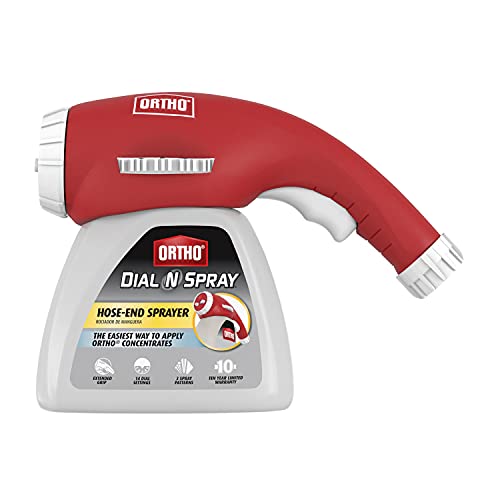
- Moss control liquid spray for lawns hose-end sprayer or compatible spray bottle
- Lawn dethatcher thatch rake 18 inch
- Driveway and patio moss remover brush tool
- Power washer driveway moss cleaner attachment


Before You Start
Assess the area to identify shaded spots, poor drainage, or compacted soil that fosters moss growth. Make sure you wear gloves, eye protection, and sturdy footwear. Time estimates vary: expect several hours for a thorough treatment and cleanup, plus drying time for treated areas. Important cautions include avoiding contact with bare skin when applying chemicals and testing a small area first to check for discoloration or damage.
Step-By-Step: How To Remove Ground Moss
- Inspect the area and determine whether moss is mainly on turf or hard surfaces. Note the amount of shade and moisture, as these factors guide treatment intensity.
- Apply lawn moss killer according to the product’s label. For granular moss killer for lawns 5 lb, spread evenly using a lawn spreader; for moss control liquid spray for lawns hose-end sprayer, attach the sprayer and apply in calm, dry conditions.
- Avoid over-application to minimize grass injury. Water lightly after application if the label requires it, but do not runoff irrigation during the initial treatment window.
- Wait for the product to work—most lawn treatments require several days to a couple of weeks to visibly reduce moss. Monitor the area and adjust mowing height to favor turf recovery.
- dethatch the lawn using an 18-inch lawn dethatcher to remove dead moss and loosen compacted soil, enabling better air and water penetration.
- Straighten up the lawn surface after dethatching, reseed if necessary, and apply a starter fertilizer to encourage healthy turf growth and outcompete moss.
- Address hard surfaces with the dedicated brush tool. For stubborn lawnside stones or pavers, scrub mossed joints with driveway and patio moss remover brush tool to physically remove moss, then rinse.
- Use a power washer attachment to efficiently clean stubborn moss from driveways and patios. Follow the attachment’s instructions and test a small area first to avoid damage to concrete or sealant.
- Improve drainage and sunlight where possible. Trim overhanging branches, aerate the lawn, and consider seeding shade-tolerant grasses to reduce future moss growth.
- Schedule maintenance for annual moss checks, especially in damp climates or shaded lawns, to prevent recurrence.
Troubleshooting
| Symptom | Likely Cause | Fix | Prevention |
|---|---|---|---|
| Moss returns quickly after treatment | Persistent shade or moisture | Improve drainage, prune trees, and reform lawn care | Regular mowing and aeration |
| Discoloration of lawn after moss killer | Over-application or sensitive grass | Rehydrate with water and use a lighter application next season | Always follow label rates |
| Streaky application on hard surfaces | Uneven brushing or spraying | Respray or scrub evenly with brush tool | Use consistent motion and test areas first |
| Soaked patches after rain | Recent chemical application | Wait for dry spell before heavy rainfall | Plan applications in dry windows |
Common Mistakes
- Applying moss products in windy or very wet conditions, which reduces effectiveness and risks runoff
- Over-fertilizing to mask moss instead of correcting underlying conditions
- Neglecting dethatching, which can keep moss roots embedded in thatch layers
- Using high-pressure power washing too aggressively on concrete or stone surfaces
Tips For Best Results
- Coordinate moss treatments with regular lawn care, including proper mowing height for your grass type
- Test any product on a small area before widespread use to prevent damage to existing vegetation
- Pair chemical treatments with physical removal for hard surfaces to maximize moss clearance
- Consider annual aeration to improve soil structure and discourage moss establishment
- Schedule projects during dry windows and avoid applying products before rain forecast
Call A Professional
Seek professional help if moss covers a large area, the lawn is heavily shaded with poor drainage, or if chemical sensitivities exist in the home. Stop signs include persistent moss after multiple treatment cycles, ongoing lawn damage, or potential structural damage to driveways or patios from heavy moss buildup.
FAQ
What is the fastest way to remove moss from a driveway?
Use a dedicated brush tool to scrub mossy areas, followed by a power washer attachment for stubborn patches, allowing the surface to dry between passes.
Can I apply moss control products during the summer heat?
Yes, but apply during cooler parts of the day and avoid peak heat to prevent lawn stress; always follow label directions.
Will dethatching alone remove moss?
Dethatching helps remove moss that has built up in the thatch layer, but it is more effective when combined with moss killers and lawn recovery practices.
Is moss a sign of poor drainage?
Often yes; improving drainage and aeration reduces persistent moss growth and promotes healthier turf.
Should I reseed after moss removal?
Yes, reseed or overseed thin areas to help grasses outcompete moss long-term.
Is there a difference between moss on grass and moss on concrete?
Yes. Grass moss is typically controlled with lawn treatments, while concrete moss requires physical removal and surface cleaners designed for hard surfaces.
When should I hire a pro for moss issues?
When moss covers large areas, recurs despite treatment, or if equipment safety concerns arise with power washing or chemical use.
Buying Guide
Choosing the right tools and products for moss control depends on where moss grows and how you plan to address it. Consider the following factors to compare options and make an informed decision.
Size and Coverage
Granular moss killer for lawns 5 lb offers broad coverage for larger turf areas, while liquid sprays provide flexibility for targeted applications. For driveways and patios, a compact brush tool and a power washer attachment are ideal for spot and long-term cleaning.
Effectiveness and Speed
Granular products typically act gradually, whereas liquid sprays can deliver faster visible improvements. Choose based on how quickly you want results and how much moss you must remove.
Surface Compatibility
Ensure products are labeled for lawn use or hard surfaces. Using lawn products on concrete can cause unintended damage; use dedicated hard-surface tools for driveways and patios.
Controls and Application
Look for spreaders with adjustable settings, hose-end sprayers with precise nozzle control, and easily maneuverable brushes. Simple, consistent application improves results and reduces waste.
Durability and Maintenance
Invest in a sturdy dethatcher and a reliable power washer attachment with compatible nozzles. Durable tools save time and effort over many moss-removal seasons.
Placement and Storage
Store products in a cool, dry place away from children and pets. Consider where tools will live to ensure easy access and safe storage near the entryways and garden shed.
Cost vs. Value
Balance upfront cost with expected lifespan and the frequency of use. A slightly higher-quality dethatcher or durable brush can pay off with repeated seasonal use.