Dealing with a lingering dead bee odor can be frustrating, especially when the scent seems to cling to fabrics, carpets, and air. The key is a targeted approach that neutralizes the odor at its source and prevents it from returning. This guide provides practical steps and product-backed methods to restore fresh air efficiently.
Readers will find a clear sequence of actions, from immediate deodorizing to long-term prevention, using common household tools and specially formulated odor-control products.
Quick Answer
Act quickly to control the odor source, ventilate the area, and apply enzymatic cleaners or activated carbon products. For stubborn smells, combine an enzymatic odor remover with a dedicated air purifier and, if needed, a short burst from an ozone-safe generator in a well-ventilated space. Avoid masking scents with perfumes alone.
What You’ll Need
- Enzymatic odor remover for dead animal smell 32 oz
- Ozone generator odor elimination small room
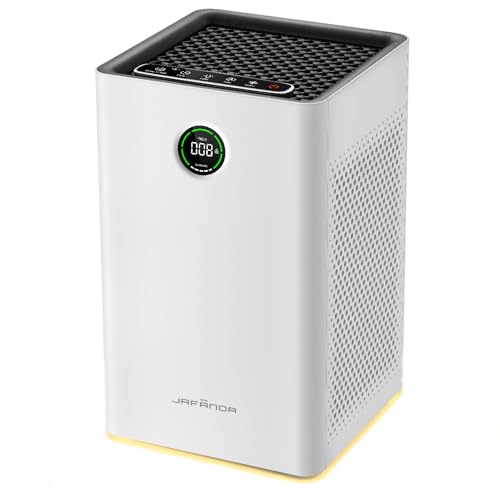
- Activated carbon air purifier for odors HEPA carbon filter
- Enzyme carpet cleaner for pet and dead odor 40 oz
- Odor neutralizing spray enzyme cleaner for indoor odors


Before You Start
Clear the affected area of clutter to improve airflow and allow cleaners to contact all surfaces. Ventilate by opening windows and running fans but do not use ozone generators in occupied spaces without proper safety measures. Wear gloves and a mask when handling strong odors or chemical cleaners. Time estimates vary: superficial cleaning can take 1–2 hours, while deeply absorbed odors may require multiple treatments over several days.
Step-By-Step: How To Clear Dead Bee Odors
- Identify all odor sources, including possible carcass residue, and remove any visible debris.
- Ventilate the area thoroughly with open windows and fans to push contaminated air outside.
- Apply an enzymatic odor remover for dead animal smell to affected fabrics, carpets, and upholstery according to label directions.
- Treat hard surfaces with the enzyme cleaner designed for indoor odors to break down odor-causing compounds at the molecular level.
- Use an enzyme carpet cleaner on carpets and rugs to dehydrate and neutralize embedded odors.
- For persistent smells in confined spaces, run an activated carbon air purifier with a HEPA filter to capture volatile compounds.
- Optionally, use an ozone generator in a small, unoccupied room to reduce odor molecules, ensuring the space is well-ventilated before reentry.
- Re-clean affected areas after the recommended dwell time, then air out the space again before reoccupying.
Troubleshooting
| Symptom | Likely Cause | Fix | Prevention |
|---|---|---|---|
| Odor returns after cleaning | Residual molecules in fibers | Reapply enzymatic cleaner and run purifier longer | Address moisture and allow thorough drying |
| Smell persists in carpet fibers | Deep absorption of odor | Use enzyme carpet cleaner and consider professional deodorization | Treat promptly after any spill or death event |
| Unpleasant chemical scent after treatment | Overuse of cleaners or incompatible products | Rinse surfaces if advised and ventilate | Follow label instructions precisely |
| No improvement with purifier | Odor source not fully addressed | Inspect walls, baseboards, and hidden cavities | Deep clean or seal odor-bearing areas |
Common Mistakes To Avoid
- Relying solely on air fresheners instead of addressing the odor source
- Using ammonia- or bleach-based cleaners on fabrics or wood surfaces
- Overusing ozone generators without proper space preparation
- Ignoring moisture control, which can trap odors longer
Tips For Best Results
- Apply enzymatic cleaners directly to fabrics, cushions, and carpets for best contact.
- Allow cleaners to dwell for the recommended time before blotting or rinsing.
- Pair enzymatic products with a carbon-based purifier to catch residual gases.
- Schedule a follow-up treatment within 24–72 hours if the smell lingers.
- Keep humidity under control with dehumidifiers to reduce odor retention.
Call A Professional
Seek professional help if the odor remains after multiple treatments, you suspect hidden carcasses, or the odor affects large or multiple rooms. Stop using ozone generators in occupied spaces and consult a licensed technician if you notice persistent health-related symptoms or extensive structural contamination.
FAQ
What is the fastest way to remove dead odor from fabric?
Apply an enzymatic odor remover for dead animal smell to fabrics, then use an enzyme carpet cleaner on upholstery and get thorough ventilation.
Can I use an ozone generator indoors?
It can help in unoccupied spaces for short periods, but never in occupied rooms. Follow safety guidelines and ensure proper ventilation after use.
Will an activated carbon purifier remove all odors?
Activated carbon filters absorb many volatile compounds, but for embedded odors, combining with enzymatic cleaners yields better results.
How long does it take to notice improvement?
Improvements may appear within hours, with full odor neutralization often taking 1–3 days depending on extent and materials involved.
Should I rinse surfaces after enzymatic cleaners?
Rinse only as directed by the product label; many enzymatic cleaners do not require rinsing and should air dry to maintain activity.
Is professional deodorization necessary for large spaces?
Yes, especially if the odor affects multiple rooms or is linked to concealed sources.
What maintenance helps prevent recurrence?
Keep areas dry, clean, and well-ventilated; address spills promptly and use preventive odor-control products as needed.
Buying Guide
When selecting products to prevent or eliminate dead odor, consider several factors to maximize effectiveness and safety. Size and coverage matter for larger spaces; choose enzymatic cleaners that match the area you need to treat. For ongoing air quality, an activated carbon purifier with a HEPA filter can help remove both odors and particulates. If you deal with frequent odors, a compact ozone generator can be useful in unoccupied spaces, but safety and ventilation are essential. Look for products with clear labels, suitable for textiles and hard surfaces, and check compatibility with your existing HVAC or room layout. Finally, consider maintenance implications, such as filter replacements and the frequency of use, to keep your environment smelling fresh over time.