Cheer mats endure frequent foot traffic, sweat, and chalk from practices and performances. Regular cleaning not only keeps them looking fresh but also extends their life and protects athletes from germs. This guide provides a practical, step-by-step method to clean vinyl and foam puzzle mats commonly used in cheer spaces, using readily available tools.
Quick Answer
Spot clean daily, deep clean weekly, and sanitize mats after sessions that involve shared equipment or injuries. Use a gentle cleaner for vinyl surfaces and a dedicated disinfectant spray for high-touch areas. Dry mats completely to prevent mold and odors.
What You’ll Need
The following tools and supplies cover routine cleaning and disinfecting for most cheer mats. Gather these before you start to streamline the process.
- Gym mat cleaning brush
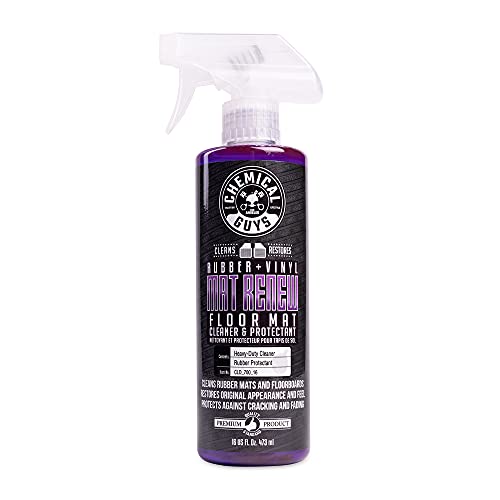
- Vinyl gym mat cleaner spray
- Foam puzzle mat cleaning brush
- Microfiber mop for gym mats
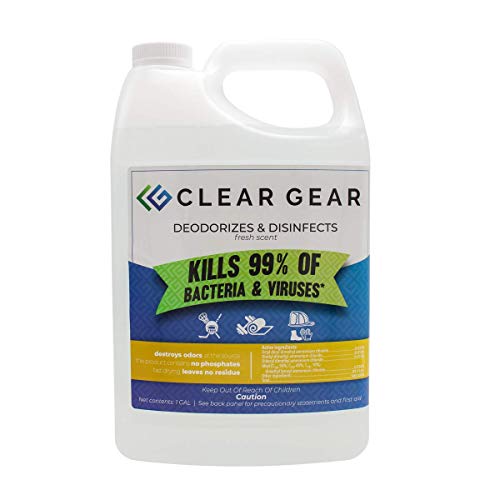
- Gym mat disinfectant spray

Before You Start
Prepare a dedicated cleaning area to avoid cross-contaminating other surfaces. Wear gloves and ensure good ventilation when using sprays. Check mat seams for any damage before cleaning; moisture can get into gaps and cause deterioration. Plan for a total cleanup time of about 30–60 minutes for a standard practice area.
Critical cautions include avoiding harsh scrubbers on vinyl surfaces, never soaking foam mats, and never using bleach on colored mats. Always test a small inconspicuous patch first to ensure the cleaner doesn’t discolor the mat.
Step-By-Step: How To Clean Cheer Mats Thoroughly
- Remove loose debris by sweeping or light vacuuming the mat surface to lift chalk dust, hair, and dirt.
- Spray a light layer of vinyl gym mat cleaner spray on a microfiber mop for gym mats or directly onto the mat surface, following the product’s instructions.
- Gently wipe the surface with a gym mat cleaning brush or a microfiber cloth, paying attention to high-traffic zones and edge seams.
- For foam puzzle mats, use a foam puzzle mat cleaning brush to reach interlocking seams and corners without bending or tearing.
- Rinse or wipe away cleaner residue with a clean, damp microfiber cloth. Avoid saturating foam mats; excess moisture can seep into seams and under tiles.
- Apply a gym mat disinfectant spray to focal areas such as corners, edges, and any spots with visible grime or sweat buildup. Allow the product to sit for the recommended contact time.
- Dry the mats completely with an absorbent towel or allow air drying in a well-ventilated area. Ensure both sides of foam mats are fully dry before reassembly or use.
- Inspect the mats for remaining spots. Repeat the process on stubborn stains, using a softer brush to avoid surface damage.
- Reassemble any foam puzzle mats, ensuring edges click securely and no moisture remains around seams.
- Store cleaning supplies out of reach of athletes and clearly label any cleaners or disinfectants used in shared spaces.
- Document a routine: note cleaning days and products used to maintain consistency and track mat life.
Troubleshooting
| Symptom | Likely Cause | Fix | Prevention |
|---|---|---|---|
| Persistent odors | Moisture trapped in seams | Increase air drying time, use a stronger disinfectant approved for gym mats | Move mats to a dry area after cleaning and ensure good airflow |
| Stubborn stains | Sweat minerals or chalk buildup | Spot-clean with brush and a mild cleaner; repeat as needed | Clean after heavy use to prevent mineral buildup |
| Color change on vinyl | Harsh chemicals or excess cleaner | Switch to a milder vinyl cleaner and test first | Always test in a small area |
| Foam seams soggy | Over-wetting | Use minimal moisture and dry thoroughly | Avoid soaking foam mats |
| Residue after cleaning | Excess cleaner not fully wiped | Wipe again with a clean damp cloth and air dry | Use the recommended amount of cleaner |
Common Mistakes
- Using abrasive brushes on vinyl surfaces
- Over-wetting foam mats or submerging them in liquid
- Skipping drying time, which promotes mold and mildew
- Using incompatible cleaners that cause discoloration
Sticking to manufacturer recommendations and performing small-area tests helps avoid these issues.
Tips For Best Results
- Schedule routine cleanings after practices with heavy sweating or chalk use.
- Rotate mats to ensure even wear and consistent cleaning access on all sides.
- Use a dedicated cleaning kit for gym mats to prevent cross-contamination with other equipment.
- Label disinfectant contact times clearly for staff to follow.
- Keep mats dry between sessions by storing them in a well-ventilated area with airflow.
Call A Professional
Consider professional cleaning if mats show deep set stains, persistent odors, or if you cannot safely move and maneuver large mats. Stop and call a pro if you notice surface cracks, peeling vinyl, or warped foam, which could indicate structural damage that requires specialist attention.
FAQ
How often should cheer mats be cleaned?
Clean and disinfect high-traffic mats after each practice or event and perform a deeper clean weekly or biweekly depending on usage.
Can I use bleach on vinyl gym mats?
Avoid bleach on most vinyl surfaces; it can cause discoloration and damage. Use a cleaner specifically labeled for vinyl.
Is it safe to spray disinfectant on foam puzzle mats?
Yes, but use products appropriate for foam and avoid soaking; ensure complete drying before reassembly.
What’s the best way to clean the interlocking seams?
Use a brush designed for foam and a mild cleaner to reach into seams, then wipe with a damp cloth and dry thoroughly.
How do I prevent odors from returning?
Improve ventilation after cleaning, dry mats completely, and clean more frequently during humid seasons.
Should mats be cleaned with water after disinfecting?
Lightly dampen a cloth to remove any residue if needed, then allow to air dry completely.
Buying Guide
Choosing mats and care products requires balancing size, durability, and maintenance needs. Consider these factors to optimize performance and longevity of cheer spaces.
- Size and layout: Measure available space and consider edge-to-edge coverage, plus room for movement and equipment placement.
- Material and surface: Vinyl mats resist spills and are easy to wipe; foam puzzle mats offer modularity but require careful moisture control.
- Noise and impact: Some mats dampen sound and reduce joint impact more effectively; evaluate based on training style.
- Energy efficiency and cleaning products: Choose cleaners that are effective yet gentle on mat materials to extend life.
- Controls and maintenance: Establish a simple cleaning schedule, designate cleaning tools, and train staff or volunteers to follow it.
- Placement and safety: Place mats on flat, clean surfaces; ensure edges align without gaps that could snag shoes or injuries.
- Cost and availability: Compare kits that include multiple brushes and cleaners; durability often saves money over time.
With these considerations, facilities can maintain clean, safe training environments that meet competition standards and routine use. If in doubt, consult with facility managers or cleaning professionals who specialize in athletic surfaces to tailor a plan for your space.