Rugs can trap odors from pets, spills, and everyday foot traffic. A thorough cleaning not only freshens the space but also extends the rug’s life. This guide walks through practical steps using common cleaning tools and enzymatic products that target organic odors.
By following a methodical process, homeowners can achieve noticeable odor reduction without professional help. The focus stays on safe cleaning habits, effective odor removal, and routine maintenance to prevent a reoccurrence.
Quick Answer
Target the source with enzymatic odor removers to break down odor-causing compounds, then rinse and dry completely. For embedded dirt, use a scrub brush and a portable steam cleaner to lift grime and freshen fibers. Finish with a deodorizing spray to maintain freshness.
What You’ll Need
- Enzymatic odor remover for carpets 24 oz spray
- Handheld carpet cleaning brush scrubbing tool
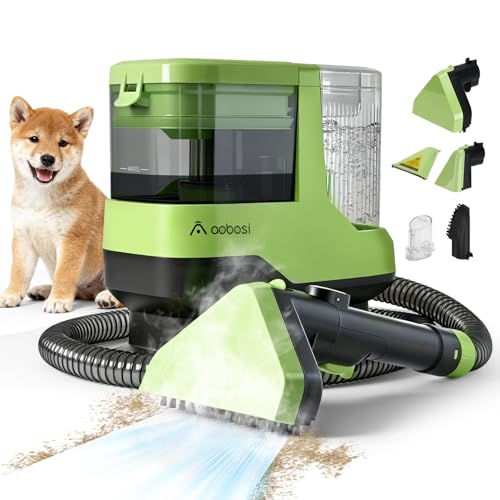
- Portable steam cleaner for area rugs
- Rug deodorizer spray enzymatic 16 oz
- Carpet cleaning wand kit for upholstery and rugs


Before You Start
Inspect for repairs or loose fibers and test any product in an inconspicuous area. Vacuum thoroughly to remove surface dirt. Work in a well-ventilated area and protect nearby flooring with a drop cloth or towels. Time estimate: 60–120 minutes plus drying time. Important: Avoid saturating the rug; excessive moisture can lead to mold growth or fiber damage.
Step-By-Step: How To Clean A Smelly Rug
- Vacuum thoroughly both sides to remove loose dirt and pet hair before applying cleaners.
- Apply enzymatic odor remover to the affected areas according to label directions to target organic odors.
- Scrub with a handheld brush to lift embedded grime and enhance contact between the cleaner and fibers.
- Use a portable steam cleaner on a low-saturation setting to raise dirt and release odors without soaking the rug.
- Rinse or blot lightly with clean water to remove residue, then blot with a dry towel to reduce moisture.
- Apply rug deodorizer spray enzymatic evenly across the surface for ongoing odor control.
- Dry thoroughly by airing the rug outside or using fans and dehumidifiers. Avoid direct sunlight if colors fade.
- Check odor and re-treat if needed once completely dry; repeat steps if odors persist.
Troubleshooting
| Symptom | Likely Cause | Fix | Prevention |
|---|---|---|---|
| Persistent musty smell | Moisture left in rug | Re-dry using fans and dehumidifier | Ensure thorough drying before use |
| Color fading after cleaning | Over-wetting or strong cleaners | Use milder dilution and less moisture | Spot-test cleaners first |
| Streaky or uneven odor removal | Uneven application | Reapply enzyme product to affected zones | Follow product directions evenly |
| Residue on carpet fibers | Overuse of cleaners | Rinse lightly and blot thoroughly | Use recommended amounts |
Common Mistakes
- Over-wetting the rug, which slows drying and invites mold.
- Using harsh cleaners that damage delicate fibers.
- Failing to test a small area before full application.
- Skipping proper drying time after cleaning.
Tips For Best Results
- Work clockwise or in sections to ensure even cleaning coverage.
- Choose enzymatic odor removers designed for carpets to target organic odors.
- Use a combination of a scrubbing tool and a steam cleaner for embedded grime.
- Rotate the rug when drying to promote even moisture loss.
- Regular maintenance with a deodorizer spray helps prevent odor buildup between cleanings.
Call A Professional
Seek professional help if the rug is valuable, antique, or has persistent odors after multiple cleanings. Stop and contact a pro if any of these occur: persistent staining, dye bleeding, or fiber damage during cleaning, or if moisture is trapped and cannot be removed promptly.
FAQ
Can enzymatic cleaners remove animal urine odors?
Yes, enzymatic cleaners break down organic waste and can significantly reduce urine odors when applied to the affected area.
Is it safe to use a steam cleaner on all rugs?
Most synthetic and tightly woven rugs tolerate steam, but delicate materials like silk or antique pieces may be damaged. Always test first.
How long should I let the rug dry after cleaning?
Drying times vary by humidity and airflow but typically take 4–24 hours. Increase ventilation to speed up drying.
Will deodorizer sprays help prevent odors long term?
Deodorizer sprays offer temporary freshness and can help maintain odor control between cleanings when used as directed.
Buying Guide
When choosing tools and products to combat rug odor, consider size, noise, and energy use as practical factors for home use. A compact enzymatic odor remover is ideal for spot treatment, while a portable steam cleaner supports deeper cleaning without full extraction. Look for a soft-bristle handheld brush to avoid fiber damage and a carpet wand kit that can handle upholstery and rugs alike. Evaluate how often you clean, the rug’s traffic level, and whether pets are present, to determine how robust your cleaning setup should be.
What To Look For In A Cleaning Setup
- <bSize and coverage: Larger bottles cover more area, but consider compact options for spot cleaning.
- <bNoise level: Quieter devices reduce disruption in households with children or pets.
- <bEnergy efficiency: Look for devices with energy-saving modes or lower wattage.
- <bControls and ease of use: Simple spray, scrub, and rinse cycles help reduce user error.
- <bPlacement and storage: Ensure tools fit in your cleaning closet and are easy to access.