Maintaining a wood fence can extend its life and enhance curb appeal without resorting to high-pressure washing. This guide outlines a practical, non-pressure cleaning method using common tools and a wood fence cleaner solution. It emphasizes safety, prep, and step-by-step actions to remove dirt, mildew, and stains effectively.
Quick Answer
Use a soft-bristle or stiff-bristle brush with a long handle and a wood fence cleaner concentrate, applied with a garden sprayer or spray bottle. Work from top to bottom, scrub stained areas, and rinse with a light spray. Repeat as needed and protect nearby plants during application.
What You’ll Need
- Wood fence cleaning brush with extension pole
- Stiff bristle deck brush for outdoor fence cleaning
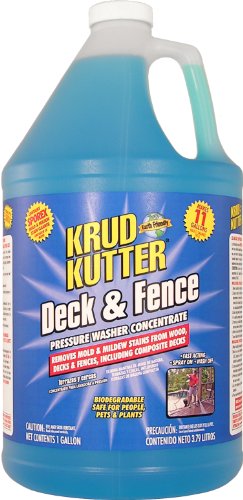
- Wood fence cleaner concentrate spray bottle
- Garden sprayer for wood fence cleaning solution
- Timber fence cleaner non-pressure cleaning kit


Before You Start
Review the fence’s condition and select a non-pressure cleaning method to avoid damaging softwood surfaces. Test a small, inconspicuous area first. Work on a dry day with mild temperatures to prevent rapid evaporation. Protect plants, grass, and nearby siding by covering with drop cloths or plastic sheeting. Plan for a multi-step process and allow adequate drying time between steps.
Step-By-Step: How To Clean A Wood Fence Without Pressure Washing
- Assemble tools: attach the wood fence cleaning brush with extension pole and prepare the garden sprayer with the wood fence cleaner concentrate solution.
- Inspect for damage: identify loose boards, nails, or rot. Note areas requiring extra attention during cleaning.
- Mix solution: follow the product directions to dilute the cleaner in the sprayer or spray bottle, ensuring proper coverage for mold, mildew, and dirt.
- Protect plants: rinse nearby plantings before applying and shield with plastic or water spray if needed.
- Apply cleaner: spray the cleaner evenly across a fence section, starting at the top and working downward.
- Scrub lightly: using the stiff bristle deck brush, scrub in a vertical motion to lift grime without gouging the wood.
- Rinse with a light spray: use a low-pressure spray or a separate spray bottle to rinse the cleaner away, avoiding high-pressure jets.
- Repeat as needed: for stubborn stains, repeat the cleaning cycle on those areas and allow a short dwell time as directed by the product.
- Address mold and mildew: focus extra effort on shaded or damp spots, ensuring complete removal of organic growth.
- Dry thoroughly: allow the fence to dry completely before staining or sealing, typically 24–48 hours in warm, dry conditions.
- Inspect final result: check for remaining stains or residue and re-clean if necessary in targeted areas.
Troubleshooting
| Symptom | Likely Cause | Fix | Prevention |
|---|---|---|---|
| Stubborn stains persist after cleaning | Deep-set mildew or tannin stains | Apply cleaner again and let dwell longer; scrub with extra brushing | Pre-treat high-stain areas and maintain regular cleaning |
| Wood looks gray after cleaning | Oxidation or sun damage | Lightly sand the surface or reapply cleaner followed by sealant | Clean annually and seal or stain to protect wood |
| Cleaner causes discoloration | Wrong concentration or incompatible product | Rinse and reapply with correct dilution | Test in a small area first |
| Vegetation wilts near fence | Cleaner drift | Rebalance sprayer settings and shield plants | Cover plants and rinse thoroughly after application |
Common Mistakes
- Using high-pressure spray on wood surfaces, which can cause splintering
- Over-diluting cleaner, reducing effectiveness
- Skipping a test area before full application
- Not allowing proper drying time before sealing or painting
Tips For Best Results
- Work in shaded sections during cooler parts of the day to prevent rapid evaporation.
- Use a consistent brushing pattern to avoid missed spots and uneven results.
- Choose a cleaner formulated for wood fences to avoid bleaching or damage.
- Consider a non-pressure cleaning kit for repeatable maintenance and easier storage.
Call A Professional
Consider contacting a pro if the fence shows extensive rot, loose boards, or significant mold growth that does not respond to cleaning. Stop and consult a professional when you notice structural concerns, warped boards, or insect damage. If you are unsure about the correct cleaner type for your wood species, a contractor can recommend safe alternatives.
FAQ
Is non-pressure washing safe for all wood fences?
Yes, non-pressure methods are generally safer for most wood fences, especially softwoods, but always test a small area first.
How often should I clean my wood fence?
Typical guidance is every 1–3 years, with more frequent cleaning in damp or shaded areas prone to mildew.
Can I stain or seal right after cleaning?
Wait until the wood is completely dry, which could take 24–48 hours depending on weather.
What cleaners are best for wooden fences?
Use a dedicated wood fence cleaner concentrate and follow the label directions for dilution and dwell time.
Buying Guide
Choosing the right tools and products for a wood fence cleaner involves balancing effectiveness with wood safety. Consider the following factors to guide your purchase:
- Size and reach: An extension pole helps reach tall sections without a ladder. Look for long-handled brushes for wide panels.
- Brush stiffness: A stiff bristle deck brush provides effective grime removal without marring the wood; combine with a softer brush for delicate areas.
- Cleaner formulation: Select a wood fence cleaner concentrate designed for non-pressure cleaning to tackle mildew and tannins.
- Spraying option: A garden sprayer or spray bottle should handle the cleaner concentrate and allow controlled application.
- Non-pressure kit: A complete timber fence cleaner non-pressure cleaning kit simplifies the process and includes compatible tools.
- Safety and compatibility: Ensure cleaners are safe for your fence material (cedar, treated pine, redwood) and nearby plants.
- Maintenance support: Look for products with clear instructions, dwell times, and compatible sealants if you plan to seal afterward.
For best results, match the kit components to your fence’s height, wood type, and climate. Would you like help selecting a specific combination based on your fence’s size and local conditions?