Water features add ambiance to yards and gardens, but their beauty depends on regular cleaning. This guide provides practical steps to remove algae, debris, and mineral buildup, keeping fountains, waterfalls, and ponds sparkling. American homeowners can perform routine upkeep with common tools and safe practices.
Whether you own a small fountain or a larger pond, a consistent cleaning routine reduces clogs, extends equipment life, and preserves clear, healthy water for wildlife and people alike.
Quick Answer
Best first steps: Remove loose debris with a pond skimmer net, stop the pump, and drain or bypass the system as needed. Use a fountain cleaning brush for tight spots, an algae remover if growth is heavy, and a pressure washer or hose wand for stubborn buildup. Rinse all components before reassembling.
What You’ll Need
- Fountain cleaning brush algae remover
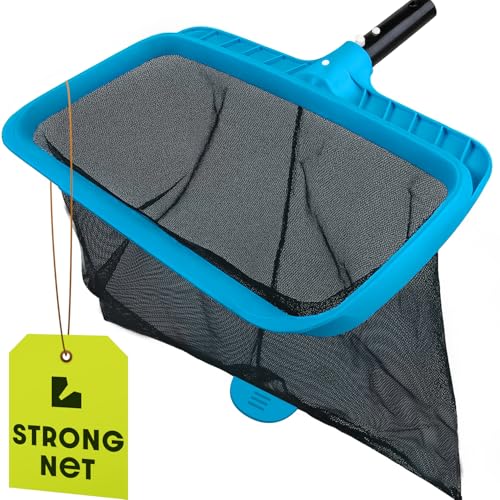
- Pond skimmer net for water feature maintenance
- Pond pump cleaning kit fountain maintenance
- Electric pressure washer for fountain cleaning
- Hose spray wand nozzle for fountain cleaning


Before You Start
Assess all components before starting: power sources, electrical cords, and water lines should be unplugged or shut off. Check the pump for blockages and inspect filter media. Clear the area around the feature to prevent slips. Plan for a time window of 1–3 hours depending on size. Wear protective gloves and eye protection, and never spray water directly at electrical outlets or cords.
Step-By-Step: How To Clean A Water Feature
- Turn off the pump and disconnect power. If you can, stop water flow to the feature to simplify cleaning.
- Remove loose debris with a pond skimmer net for quick cleanup and to reduce clogs downstream.
- Drain a shallow amount of water if possible or reposition the hoses so you can access all surfaces.
- Apply fountain cleaning brush algae remover to algae-coated surfaces. Gently scrub in circular motions, focusing on corners and mineral-streaked areas.
- Use an electric pressure washer for fountain cleaning or a strong hose spray wand nozzle to dislodge stubborn grime. Keep the nozzle at a safe distance to avoid injuring liners or fountains.
- Rinse all treated surfaces with clean water, then recheck for remaining buildup. Repeat scrubbing as needed for persistent patches.
- Check the pump intake and filter media; remove debris and rinse to restore flow. Replace any worn gaskets if needed.
- Reassemble the feature, fill to the proper level, and restore power. Observe the flow for several minutes to ensure even distribution.
- Schedule routine maintenance: a light clean weekly and a deep clean every 1–3 months, adjusted for climate and usage.
- Dispose of wastewater according to local regulations and avoid dumping into storm drains with chemical cleaners present.
- Document your routine and any issues for future reference to simplify upkeep and troubleshooting.
- If algae returns quickly, consider checking water chemistry and filtration efficiency to prevent recurring buildup.
Troubleshooting
| Symptom | Likely Cause | Fix | Prevention |
|---|---|---|---|
| Stagnant water post-cleaning | Insufficient water movement | Restart pump, check flow rate, clean intake | Regular filter maintenance |
| Persistent green slime | High nutrient levels | Reduce feeding, install or clean biofilter | Skim debris daily, monitor nutrients |
| Algae returns quickly after cleaning | Excess sunlight and nutrients | Shade options, reduce light exposure, rinse thoroughly | Stabilize pond chemistry |
| Noisy pump after cleaning | Prime pump, clean intake strainer | Regular pre-clean checks | |
| Weak spray or uneven fountain | Clogged nozzle or spray bar | Disassemble and clean nozzle | Routine nozzle maintenance |
Common Mistakes
- Using harsh chemicals in a water feature that hosts fish or beneficial bacteria
- Ignoring the pump’s intake and filter during cleaning
- Pouring dirty rinse water back into the feature without filtration
- Skipping safety steps when handling electricity and water together
- Over-agitating the water with aggressive pressure washing on fragile surfaces
Sticking to gentle scrubbing and proper rinse cycles helps protect liners and wildlife while maintaining clarity.
Tips For Best Results
- Create a regular cleaning calendar tailored to climate and plant life around the feature.
- Combine mechanical removal with controlled chemical treatments when algae is stubborn, following label directions.
- Keep spare filter media, O-rings, and spray nozzles on hand for quick replacements.
- Set up a dedicated storage area for cleaning tools to extend their life and readiness.
- Consider upgrading to a larger filter or additional waterfall weir if buildup recurs.
Call A Professional
Stop and seek professional help if there is persistent leakage around seals, significant pump failure, or electrical concerns beyond basic troubleshooting. Signs to contact a pro include frequent motor overheating, unexplained water loss, or persistent poor water quality despite routine cleaning.
FAQ
What’s the best way to remove algae from a water feature?
Use a fountain cleaning brush algae remover to scrub algae-covered areas, followed by a thorough rinse and, if needed, a targeted algaecide designed for outdoor water features.
How often should I clean a small fountain?
Perform a light weekly skim and cleaning, with a deeper clean every 4–6 weeks during peak algae season.
Can I clean a water feature with a garden hose?
Yes, but avoid high-pressure jets on delicate surfaces. Use a spray wand at a safe distance to prevent damage.
Do I need to drain the feature fully for cleaning?
Not always. Partial draining often suffices to access surfaces, but full drainage may be necessary for heavy buildup or filtration work.
Is a pond skimmer net necessary?
It helps remove surface debris quickly and reduces maintenance time, especially in windy or leafy areas.
What about algae during hot months?
Increase skimming frequency, monitor nutrients, and consider shade or plant balance to limit sunlight exposure that fuels growth.
When should I call a professional for a water feature?
If there are electrical concerns, persistent leaks, or recurring equipment failures, a professional evaluation is recommended.
Buying Guide
Choosing the right cleaning setup for a water feature involves several factors. Start with size and type of the feature—fountains, ponds, and cascades have different access points and maintenance needs. Noise level is often linked to pump size and flow control; look for models with adjustable flow or quiet operation if near living spaces. Energy efficiency matters for larger installations; compare pump and filtration options designed for low power consumption. Controls should be straightforward, with easy-to-reach switches or timers. Placement considerations include sun exposure, nearby shrubs (which add debris), and proximity to electrical outlets. Finally, consider compatibility with existing filtration and circulating systems to maximize cleaning effectiveness and minimize disruption to the ecosystem. Would you prefer a compact kit for quick cleanups or a robust setup for larger, wildlife-friendly features? A measured approach helps ensure long-term reliability and enjoyment.