Iron plates, whether found in camping stoves, traditional skillets, or decorative pieces, can benefit from gentle cleaning methods. While toothpaste is primarily for teeth, it contains mild abrasives and cleaners that can help remove surface tarnish or build-up on iron surfaces when used carefully. This guide explains a practical, low-cost approach using common kitchen tools to refresh an iron plate without damaging its finish.
Quick Answer
Apply a small amount of non-gel toothpaste to a damp, non-scratch pad or cloth, rub in circular motions over tarnished areas, rinse with water, and dry thoroughly. If heavy buildup remains, let the toothpaste sit for a few minutes before scrubbing again. Always avoid harsh or highly abrasive cleaners on seasoned iron finishes.
What You’ll Need
- Cast iron skillet cleaning brush nylon bristles
- Stainless steel scrubber for cast iron pan
- Non-abrasive cast iron cleaning pad
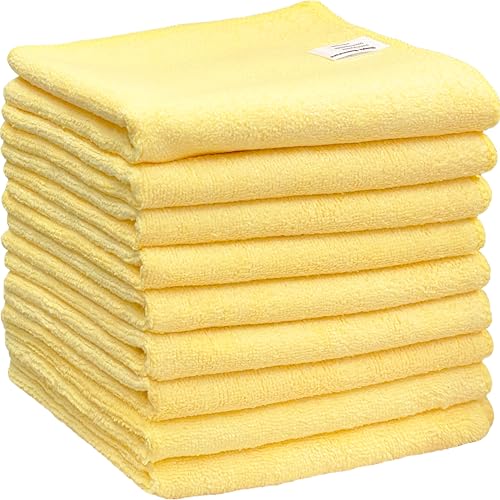
- Microfiber cloth for cast iron maintenance
- Pumice stone for cast iron pan cleaning


Before You Start
Prepare a clean workspace and establish a ventilation-friendly area. Use a soft, non-scratch pad to avoid dulling any seasoning on the iron plate. Avoid acidic cleaners and chlorine-based products, as they can corrode iron finishes. Set aside a clean drying area to prevent moisture from causing rust. Time estimate: 10–20 minutes for light cleaning; up to 30 minutes for heavier buildup.
Step-By-Step: How To Clean An Iron Plate With Toothpaste
- Wipe the surface with a damp microfiber cloth to remove loose dust.
- Apply a small amount of toothpaste to a non-abrasive cleaning pad or cloth.
- Gently rub in circular motions over tarnished or sticky areas, focusing on the metal’s surface.
- For stubborn spots, let the toothpaste sit for 2–3 minutes to soften buildup.
- Rinse the plate with warm water to remove toothpaste residue.
- Dry the surface immediately with a clean microfiber cloth to prevent rust.
- Inspect for remaining haze; repeat steps 3–6 if needed, using a nylon bristle brush for texture.
- Finish with a light wipe of a clean, dry microfiber cloth and store in a dry area.
Troubleshooting
| Symptom | Likely Cause | Fix | Prevention |
|---|---|---|---|
| Streaks or dull spots | Toothpaste residue left behind | Rinse thoroughly and wipe dry; repeat if necessary | Rinse completely after cleaning |
| Rust spotting | Moisture exposure before drying | Dry promptly; apply light oil or seasoning if needed | Dry immediately after cleaning; store in a dry place |
| Surface feels rough | Abrasive toothpaste or pad used too aggressively | Switch to a gentler pad and lightly rewash | Use non-abrasive pads for routine cleaning |
| Residue remains after rinse | Thick paste left behind | Rinse with warm water, use a damp cloth to lift residue | Rinse thoroughly after cleaning |
Common Mistakes
- Using highly abrasive cleaners or steel wool on seasoned iron finishes
- Allowing moisture to linger on iron plates after cleaning
- Relying on toothpaste for heavy rust without proper preventive steps
- Mixing cleaning products that react with iron finishes
Sticking to mild methods helps preserve seasoning and prolongs the life of the iron plate.
Tips For Best Results
- Test toothpaste on a small, inconspicuous area first to gauge reaction.
- Follow every cleaning with a light oil wipe to maintain seasoning and防 rust protection.
- For persistent tarnish, alternative gentle abrasives like a non-abrasive cleaning pad can be used sparingly.
- Occasional maintenance with a microfiber cloth keeps the surface polished without scratching.
Call A Professional
Seek professional help if the iron plate shows deep pitting, extensive rust that cannot be controlled, or if its structural integrity seems compromised. Do not attempt heavy mechanical cleaning if the item is valuable or historically significant.
FAQ
Can toothpaste damage nonstick coatings?
Toothpaste is generally safe for bare iron but should be avoided on nonstick coatings that may be sensitive to abrasives.
Is toothpaste recommended for rust removal on iron?
Toothpaste may reduce light surface tarnish, but heavy rust typically requires rust removers or professional treatment.
What type of toothpaste is best for this method?
A non-gel, mild abrasive toothpaste is preferable; avoid whitening formulas with aggressive agents.
How should I store an cleaned iron plate?
Dry thoroughly and apply a thin layer of oil before storing to prevent rust and maintain seasoning.
Buying Guide
When choosing products to help maintain iron plates, consider size, material compatibility, and ease of use. For routine cleaning, light-duty tools are often sufficient, but selecting durable options can extend the life of seasoned cast iron. Here are factors to compare:
- <bSize and fit – Ensure cleaning tools reach crevices without scratching delicate finishes.
- <bMaterial compatibility – Nylon brushes and non-abrasive pads work well on seasoned iron; avoid harsh metals on protected surfaces.
- <bNoise and ease of use – Choose tools that are comfortable and quiet for frequent cleaning.
- <bEnergy and maintenance – Manual cleaning tools require no power; select items easy to clean and store.
- <bPlacement – Store tools in a dry, ventilated area to prevent rust on metal parts.
Considering multiple perspectives helps users select a balanced kit that fits their kitchen routine. Is a compact polishing pad or a multifunction scrubber more suitable for everyday use? The answer depends on the plate’s condition and the desired maintenance frequency.