Maintaining stainless steel appliances helps preserve their appearance and prolongs performance. With the right steps and safe products, marks, smudges, and fingerprints vanish without scratching or dulling the surface. This guide walks through practical methods using common steel-safe cleaners and tools.
Quick Answer
For best results, start with a gentle cleaner, wipe with a microfiber cloth, and finish with a polishing product to restore shine. Avoid abrasive pads and harsh chemicals that can damage the surface. Regular maintenance prevents buildup and simplifies future cleanings.
What You’ll Need
- Stainless steel appliance cleaner spray
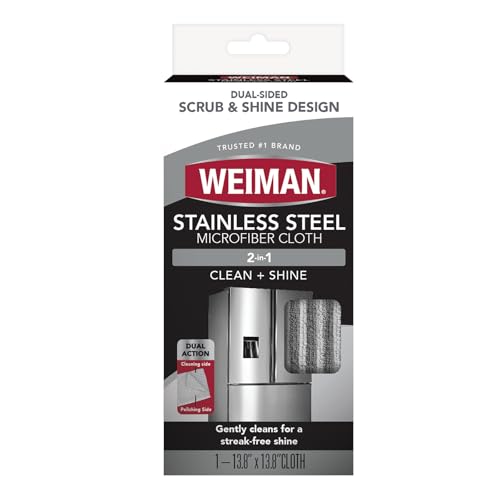
- Microfiber cloth for stainless steel polishing
- Non scratch stainless steel scrub pad
- Stainless steel polish cream
- Stainless steel degreaser spray for kitchen appliances


Before You Start
Work in a well-ventilated area and test any product on a small, inconspicuous spot to ensure compatibility. Remove loose dust with a dry microfiber cloth before applying any cleaner. Wipe in the direction of the grain to avoid streaks. Allow treated areas to dry completely before use. Keep cleaners away from control panels and exterior vents to avoid residue buildup or damage. Time estimate: 15–30 minutes for a standard full appliance cleaning.
Step-By-Step: How To Clean Steel Appliances
- Dust the surface with a dry microfiber cloth to remove loose particles.
- Apply stainless steel degreaser spray for kitchen appliances to a lightly damp cloth or directly to the area, focusing on greasy spots around handles and doors.
- Wipe in the direction of the grain using even pressure to lift oils without scratching.
- For stubborn fingerprints, use a stainless steel appliance cleaner spray on a microfiber cloth and buff gently until smudge-free.
- Rinse or wipe with a clean, dry microfiber cloth to remove any cleaner residue.
- Apply stainless steel polish cream to a separate microfiber cloth and buff in circular motions until a uniform shine appears.
- Polish high-visibility areas (fridges, handles, and rims) with lighter pressure to avoid streaks.
- If you encounter stubborn grime, use a non scratch stainless steel scrub pad on a small area, then immediately wipe away residue with a microfiber cloth.
- Inspect the surface in a bright light and address any remaining dull spots with a final pass of the polish cream.
- Finish with a clean microfiber wipe to remove any lint or fibers left from the pad or cloth.
- Store cleaning tools in a dry area to prevent dust buildup on surfaces between cleanings.
- Set a routine: a quick wipe weekly and a deeper clean monthly to maintain luster.
Troubleshooting
| Symptom | Likely Cause | Fix | Prevention |
|---|---|---|---|
| Streaks after cleaning | Residue or improper buffing | Wipe with a clean microfiber cloth in the grain direction | Use a high-quality microfiber cloth and avoid over-wet products |
| Dull or cloudy finish | Over-application of cleaner or using abrasive pads | Switch to polish cream and buff gently | Limit cleaner to recommended amounts |
| Scratches visible after cleaning | Non-scratch pads or rough cloth | Switch to microfiber and a gentler pad | Avoid metal scrub pads entirely |
| Sticky residue around handles | Greasy surface not fully wiped | Re-clean with degreaser spray and microfiber | Wipe small areas at a time |
Common Mistakes
- Using abrasive scrub pads on stainless steel
- Applying cleaner directly to the surface without a cloth
- Wiping against the grain, which can create scratches and streaks
- Skipping a final buffing step after cleaning
- Overlapping frequent cleaning with harsh degreasers that dull the finish
Tips For Best Results
- Always test cleaners on a hidden area first to ensure compatibility
- Buff with a clean, dry microfiber cloth for a glass-like finish
- Designate one cloth for cleaning and one for buffing to avoid cross-contamination
- Dust and wipe appliances regularly to minimize heavy buildup
- Avoid ammonia-based products on stainless steel if possible to prevent surface wear
Call A Professional
Contact a professional if there are deep scratches, pitting, or corrosion that do not respond to standard cleaning methods. Seek urgent help for any signs of electrical or moisture-related damage near controls or vents. If the appliance surfaces peel or warp after cleaning, stop using chemical products and consult a technician.
FAQ
Is stainless steel degreaser safe on all finishes?
Most degreasers labeled for stainless steel are safe when used as directed on exterior surfaces, but always test first and follow manufacturer guidelines.
Can I use household vinegar to clean stainless steel?
Vinegar can be used in moderation, but it may degrade certain finishes over time; use purpose-made stainless steel cleaners for best results.
What is the best cloth for stainless steel?
A high-quality microfiber cloth offers the best balance of lint-free cleaning and gentle polishing.
How often should I polish stainless steel appliances?
Polishing every few cleanings or monthly helps maintain shine, especially in high-visibility kitchens.
Buying Guide
When selecting products for cleaning steel appliances, consider size of the appliance, surface area to cover, and frequency of cleaning. Look for streak-free formulas and non-abrasive textures. Noise level and energy efficiency do not apply to cleaning products, but ease of use and spray/nozzle design matter for convenience. For placement, keep cleaners away from vent housings and control panels. Compare kits that combine degreasers, cleaners, and polish creams to minimize product switching. A comprehensive set with a microfiber cloth and a non-scratch scrub pad offers a balanced approach for most households.