Black metal doors add a sleek, modern look to homes and businesses, but they can show fingerprints, smudges, rust, and grime quickly. A careful cleaning routine keeps the finish looking fresh and extends the door’s life. This guide provides practical steps, the right products, and professional tips for American homes and facilities.
By following a structured approach, the door’s surface remains protected while avoiding common mistakes that can dull the finish or cause corrosion. The methods here balance effective dirt removal with surface-safe techniques suitable for most powder-coated or painted metal doors.
Quick Answer
Fast method: Start with a microfiber cloth dampened with warm water, then apply a small amount of metal door cleaner degreaser spray to a separate cloth for stubborn grime. For rust, use a rust remover spray for metal doors on affected spots, followed by a protective clear coat spray to seal the finish.
What You’ll Need
- Rust remover spray for metal doors
- Metal door cleaner degreaser spray
- Stiff bristle cleaning brush metal door
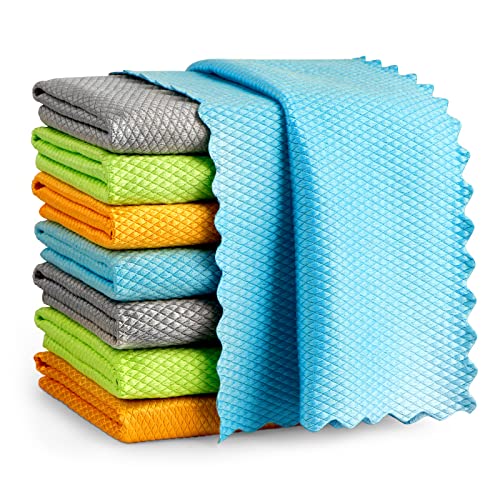
- Microfiber cloth for metal surfaces door cleaning
- Protective clear coat spray metal door finish


Before You Start
Inspect the door for peeling paint, rust, or damaged coatings. Wear protective gloves and work in a well-ventilated area. Test cleaners on a small, inconspicuous spot to ensure colorfastness and finish compatibility. Plan for a time window of about 20–45 minutes per cleaning session, depending on the grime level. Do not use abrasive pads on matte or satin black finishes, as they can scratch the surface.
For exterior doors, avoid harsh weather while cleaning and allow the door to dry completely before re-hanging or closing it to prevent water spots and streaks.
Step-By-Step: How To Clean Black Metal Doors
- Remove loose dust with a dry microfiber cloth to prevent scratch transfer.
- Apply a light mist of metal door cleaner degreaser spray to a microfiber cloth or the door’s surface, avoiding direct spraying onto hinges or weatherstripping.
- Wipe in the direction of the grain or along flat surfaces, using circular motions only for stubborn spots.
- For greasy fingerprints or grime, use a stiff bristle cleaning brush metal door to gently agitate the affected areas, then wipe away residues with a clean microfiber cloth.
- Address rust by applying the rust remover spray for metal doors to rusted patches; scrub gently, then wipe clean once the chemical reaction subsides.
- Rinse with another microfiber cloth dampened with clean water to remove any cleaner residue, ensuring no film remains.
- Dry the door thoroughly with a dry microfiber cloth to prevent water marks on dark finishes.
- Finish with a light mist of protective clear coat spray metal door finish on the surface to seal and protect against future staining.
- Inspect the door for remaining spots; repeat targeted cleaning if necessary, then allow the finish to cure per product directions.
- Regular maintenance: dust weekly and deep-clean every 1–3 months, depending on exposure to elements and traffic.
Troubleshooting
| Symptom | Likely Cause | Fix | Prevention |
|---|---|---|---|
| Streaks after cleaning | Residue from cleaner | Wipe with a clean, damp microfiber cloth; dry completely | Use a minimal amount of cleaner and follow with thorough rinsing |
| Scratches visible on finish | Abrasive tool or harsh cleaners | Stop using abrasive pads; switch to microfiber and non-abrasive cleaners | Apply protective coat and handle with soft cloths |
| Rust returns after cleaning | Underlying corrosion not fully treated | Reapply rust remover spray where needed and reseal | Maintain a protective coating and address moisture sources |
| Finish fading after spray | Incorrect product for finish type | Switch to a product labeled for powder-coated or painted metal doors | Test on a hidden area first |
Common Mistakes
- Using aggressive brushes that scratch black metal finishes
- Spraying cleaners directly onto hinges and hardware
- Skipping drying and leaving moisture on the surface
- Overusing cleaners, causing residue or dulling over time
- Neglecting to reseal after cleaning on exterior doors
Tips For Best Results
Consistency matters. Establish a simple routine: dust, wipe with a metal door cleaner degreaser spray, treat spots, and seal with a protective finish. If rust appears, treat promptly rather than waiting for it to spread. Always test new products on a small, inconspicuous area first. For heavy grime or multi-door installations, consider scheduling maintenance during lower-traffic hours to minimize disruption.
When choosing products, aim for formulations labeled safe for powder-coated or painted metal surfaces. A microfiber cloth and a stiff-bristle brush are often all that’s needed for most households. Store cleaners in a cool, dry place away from direct sunlight to preserve effectiveness.
Call A Professional
Consider professional help if the door shows extensive rust, peeling coating, or structural damage that affects performance or weather sealing. Stop and contact a pro if:
- Rust has penetrated through the coating to bare metal across large areas
- There is visible corrosion around the threshold or frame that may indicate moisture intrusion
- Hinges or hardware require replacement or realignment
- Multiple cleaning attempts fail to restore the desired finish
FAQ
What is the best way to remove rust from black metal doors?
Use a dedicated rust remover spray for metal doors on affected spots, then follow with a protective coating to prevent recurrence.
Can I use everyday household cleaners on a metal door?
It’s better to use a metal door cleaner degreaser spray designed for metal surfaces to avoid damage to finishes.
How often should I clean a metal door?
Dust weekly and perform a thorough cleaning every 1–3 months, more often in harsh weather or high-traffic areas.
Is a protective clear coat spray essential?
Not always, but it helps seal the finish against moisture, fingerprints, and grime, especially on exterior doors.
What should I do if the door finish is peeling?
Peeling indicates coating failure; consult a professional for assessment and potential refinishing.
Can I clean from the inside and outside at the same time?
Yes, but avoid spraying cleaners directly into hinges; wipe carefully and ensure both sides are dry.
Buying Guide
Choosing the right cleaning tools and finishes for a black metal door involves several factors. Consider size and door thickness to ensure compatible brushes and sprays, and look for products labeled safe for powder-coated or painted metal finishes. Noise level is not a concern with cleaning products, but choose low-odor formulations for indoor use. Energy efficiency isn’t affected by cleaning but maintaining a clean door helps sealing and performance. Controls are straightforward: spray, wipe, and dry. Finally, assess door placement—exterior doors may require more durable rust protection and weather sealing. For best results, use the rust remover spray for metal doors on affected areas and finish with a protective clear coat spray metal door finish to preserve the look and protection over time. If unsure about finish compatibility or rust severity, consult a professional for an assessment and tailored maintenance plan.