Bronze items, from statues to jewelry, can develop a dull, tarnished surface over time. Proper cleaning restores luster while preserving patina and detail. This guide focuses on safe, practical methods using common household supplies and purpose-made products designed for bronze care.
Quick Answer
For light tarnish, a gentle polish with a bronze cleaner tarnish remover liquid or bronze jewelry cleaning kit can restore shine without aggressive scrubbing. For deeper oxidation, use a patina remover bronze oxidation formula, followed by a bronze polish and sealant spray to protect the finish.
What You’ll Need
- bronze cleaner tarnish remover liquid 8oz
- bronze jewelry cleaning kit polish cloths
- patina remover bronze oxidation formula
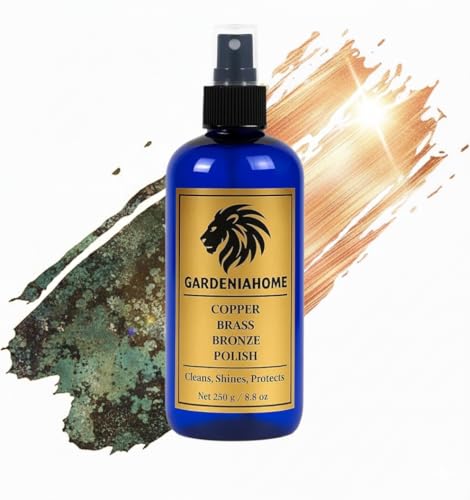
- bronze polish and sealant spray
- bronze jewelry and statue cleaner


Before You Start
Inspect the piece for loose parts or delicate inlays, and test any product on a small, inconspicuous area first. Work in a well-ventilated space and wear gloves to protect your skin. Prepare a soft, lint-free cloth and a clean workspace. Time estimate: 20–60 minutes depending on tarnish depth. Do not use abrasive pads or harsh acids on bronze with intricate details.
Step-By-Step: How To Clean Tarnished Bronze
- Place the bronze item on a stable surface and lay down a soft cloth to catch drips.
- Apply a small amount of bronze cleaner tarnish remover liquid to a clean, non-abrasive cloth.
- Gently rub the surface in circular motions, focusing on tarnished patches while avoiding aggressive scrubbing.
- Wipe away the cleaner with a fresh cloth and inspect the finish. If dullness remains, repeat once.
- For deeper oxidation, apply patina remover bronze oxidation formula per label directions, then rinse or wipe clean.
- Dry thoroughly with a soft cloth to prevent water spots and oxidation.
- Apply bronze polish and sealant spray in a light, even coat to protect the finish; allow to dry completely.
- Polish lightly with a lint-free cloth to restore shine and center any details.
- For jewelry, use a dedicated bronze jewelry cleaning kit polish cloths to finish; wipe away any residue.
- Store cleaned items in a dry, clean area to minimize future tarnish buildup.
- Reassess periodically; repeat the process if new tarnish appears.
Troubleshooting
| Symptom | Likely Cause | Fix | Prevention |
|---|---|---|---|
| Dull finish after cleaning | Over-wiping or incomplete rinse | Re-clean with a small amount of cleaner and thoroughly dry | Use minimal product; avoid excess moisture |
| Bronze turns green or uneven patina | Improper removal of oxidation or chemicals | Reapply patina remover with careful follow-up rinse | Test on a hidden area first |
| Scratches visible after polishing | Abrasion from cloths or pads | Switch to ultra-soft cloths and gentle pressure | Use high-quality polishing cloths |
| Sealant peels or clouds | Surface not fully dry or incompatible product | Ensure complete drying before sealing; use recommended products | Match products designed for bronze |
Common Mistakes To Avoid
- Using abrasive cleaners or steel wool on bronze with delicate details
- Over-wetting the piece and leaving water spots or corrosion-prone moisture
- Combining cleaners with sealants without proper curing time
- Cleaning patinated surfaces aggressively, which can remove intentional finishes
Tips For Best Results
- Test any product on a small area before full application.
- Always follow product instructions for dwell times and rinsing.
- Work in a dust-free area to prevent particles sticking to the surface during polishing.
- Use separate cloths for cleaning, rinsing, and drying to avoid cross-contamination.
- Store bronze items in a dry environment with low humidity to slow tarnish formation.
Call A Professional
Consider contacting a professional if the bronze piece is valuable, antique, or has significant cracks, corrosion, or structural damage. Stop cleaning and seek expertise if you notice flaking patina, loosened veneers, or color changes that could indicate underlying issues.
FAQ
Can I use household lemon juice to clean bronze?
Citric acid can remove tarnish but may be harsh on delicate finishes; use purpose-made products or tests first on a hidden area.
Is it safe to seal bronze after cleaning?
Yes, but ensure the surface is fully dry and compatible with the sealant to prevent peeling.
How often should bronze statues be cleaned?
Depends on exposure; indoor pieces can be cleaned every 6–12 months, while outdoor items may require more frequent attention.
Will cleaning restore antique patina?
Cleaning can brighten surfaces but should not aggressively remove intentional patina; preserve character by following gentle methods.
What if my bronze jewelry tarnishes quickly again?
Consider a more protective sealant and store jewelry in a dry, low-humidity place to slow tarnish.
Buying Guide
When selecting products to clean tarnished bronze, consider size, material compatibility, and application type. Look for a combination kit that covers cleaning, polishing, and sealing, especially if you own both jewelry and sculptures. Consider noise and ease of use for spray coatings, and ensure labels specify bronze-safe formulas. For items with intricate detail, choose gentle polishes and soft cloths designed for fine bronze. Think about placement: indoor pieces may benefit from lighter protective coatings, while outdoor pieces demand more durable sealants. Compare options based on efficiency, ease of use, and long-term protection.