Unsealed concrete floors offer a rugged, industrial look but require specific cleaning methods to keep them looking their best. With the right tools and a simple routine, surfaces can resist stains and wear while preserving their natural texture. This guide presents practical steps for homes, garages, and workshops across the United States.
Following best practices reduces the risk of surface damage and prolongs the life of concrete floors. Readers will find a clear sequence of actions, safety notes, and product recommendations tailored to unsealed concrete finishes.
Quick Answer
Choose a neutral pH concrete floor cleaner for unsealed concrete and apply with a microfiber mop. Scrub stubborn spots with a stiff nylon deck brush, then rinse with a concrete floor scrubber or a pressure washer with a surface cleaner. Dry thoroughly to prevent moisture-related issues. For ongoing upkeep, sweep regularly and spot-clean with a mild cleaner as needed.
What You’ll Need
- neutral pH concrete floor cleaner for unsealed concrete
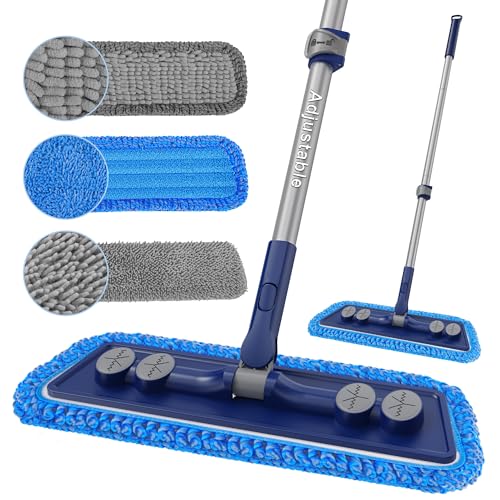
- microfiber mop for concrete floors unsealed
- stiff nylon deck brush for concrete cleaning
- concrete floor scrubber machine for unsealed floors
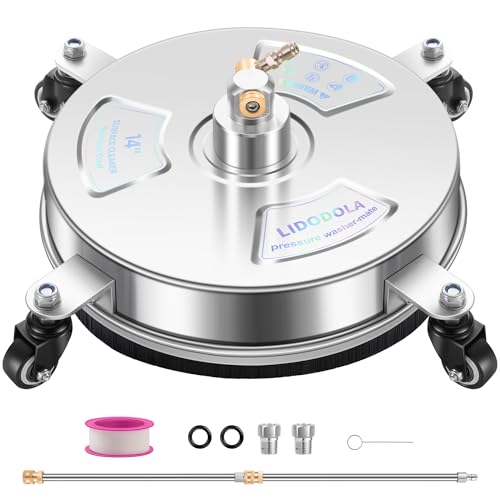
- pressure washer with surface cleaner for concrete

Before You Start
Prepare the area by removing furniture and securing pets and kids away from the workspace. Ventilate the area if indoors to minimize chemical odors. Test the cleaner on a small, inconspicuous patch to confirm no discoloration or surface damage. Estimate total time: 1–3 hours depending on floor size and soil level. Safety notes: wear gloves, eye protection, and non-slip footwear. Avoid highly acidic or alkaline cleaners that can erode unsealed surfaces.
Step-By-Step: How To Clean Unsealed Concrete Floors
- Dust and sweep the entire area to remove loose dirt and debris, using a dry microfiber mop to minimize scratching.
- Mix a neutral pH cleaner with warm water according to the product instructions; avoid strong concentrates that can leave residue.
- Lightly mist the floor with the cleaning solution in small sections to pre-wet and loosen grime.
- Dip the microfiber mop into the solution and begin cleaning in small, overlapping sections to ensure even coverage.
- For stubborn stains, scrub with a stiff nylon deck brush, applying steady pressure to lift embedded soils without gouging the surface.
- Rinse the area with clear water using a concrete floor scrubber machine or a pressure washer with a surface cleaner for thorough removal of soap and dirt.
- Continue rinsing and moving in sections until the entire floor is free of cleaner residue.
- Allow the surface to air-dry completely. If moisture lingers, use a dry microfiber mop to accelerate drying and prevent dark spots.
Troubleshooting
| Symptom | Likely Cause | Fix | Prevention |
|---|---|---|---|
| Streaks after cleaning | Residue from cleaner or improper rinsing | Re-rinse with clean water and a surface cleaner | Use neutral pH cleaner and follow dilution directions |
| Dark patches or damp spots lingering | Moisture trapped in porous concrete | Increase drying time; use fans or dehumidifier | Ensure thorough drying after cleaning |
| Grimy grout lines or control joints | Embedded dirt in joints | Scrub joints with a brush and rinse well | Regular maintenance and spot-cleaning |
| Discoloration after cleaner | Cleaner reacting with concrete sealer or mineral deposits | Test patch; switch to a milder cleaner | Use pH-balanced formulas |
Common Mistakes
- Using harsh detergents or acids on unsealed concrete, which can etch the surface.
- Over-wetting the floor, leading to extended drying times and potential water damage in seams.
- Skipping a rinse step, leaving soap residue that attracts new dirt.
- Neglecting to pre-sweep, which can grind debris into the surface during scrubbing.
Tips For Best Results
- Work in small sections to maintain control over cleaning and rinsing.
- Rinse with clean water after scrubbing to remove all cleaner traces.
- Dry the floor thoroughly to prevent spotting and moisture damage.
- Use a microfiber mop for effective soil pickup and minimal lint leaving.
- Schedule periodic deep-clean sessions if the floor experiences heavy use or frequent spills.
Call A Professional
Contact a professional if the floor has severe staining, signs of structural damage, persistent efflorescence, or if the surface requires resurfacing. Stop cleaning attempts if you notice efflorescence, cracking, or flaking sealer, as these indicate deeper issues that need expert assessment.
FAQ
Can I use a regular kitchen cleaner on unsealed concrete?
No. Regular cleaners may contain high alkalinity or acids that can damage unsealed concrete. Use a neutral pH cleaner designed for concrete floors.
Is it necessary to seal unsealed concrete after cleaning?
Sealing is a separate decision based on the location, traffic, and desired maintenance level. Cleaning alone does not seal the floor; consult a pro if you’re considering sealing to improve stain resistance and durability.
How often should unsealed concrete floors be cleaned?
Frequency depends on use. Light traffic areas can be cleaned monthly, while garages or workshops may require biweekly or weekly sessions to manage dirt and oil.
What equipment is essential for large unsealed concrete spaces?
A pressure washer with a surface cleaner and a concrete floor scrubber machine can dramatically speed up cleaning for large areas.
Buying Guide
When choosing tools and products for cleaning unsealed concrete floors, consider size, noise, energy use, and placement. Ask yourself: Is the space residential or commercial? Will the area be noisy or near living spaces? The following factors help compare options and ensure ongoing satisfaction.
- Size and reach: Select equipment that matches floor area. Handheld tools work for small rooms, while larger areas benefit from a scrubber or pressure washer with appropriate nozzles.
- Noise level: For homes, prioritize quieter cleaners and mops to minimize disturbance, especially in open-plan layouts.
- Energy efficiency: Energy-efficient scrubbers and electric pressure washers save power and reduce operating costs over time.
- Controls and ergonomics: Look for easy-start options, adjustable handle height, and comfortable grips for extended use.
- Placement and storage: Choose compact units or modular tools that fit in a garage or utility closet for easy access.
- Compatibility with cleaners: Ensure cleaners are neutral pH and safe for unsealed concrete to avoid surface damage.
- Maintenance needs: Prefer tools with readily available replacement parts and simple maintenance routines.