Yucca plants can be resilient and deeply rooted, making removal a multi-step process. This guide outlines practical, safe methods to eradicate yucca from lawns or landscaping without damaging surrounding plants.
Whether you’re clearing space for a garden bed or eliminating an invasive clump, the following steps cover mechanical removal, chemical assistance, and post-removal care to prevent regrowth.
Quick Answer
Choose between mechanical removal for smaller plants and a combination of chemical treatment for larger, established yucca clumps. Start with digging to expose roots, then apply targeted stump treatment to prevent regrowth. For stubborn cases, repeat treatment and monitor regrowth for several months.
What You’ll Need
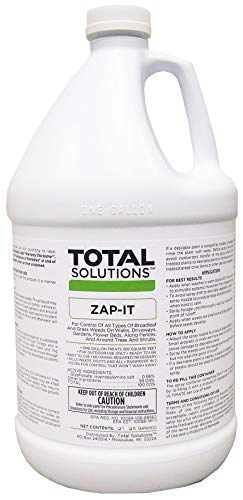
- Glyphosate weed killer for tree stumps concentrate 1 gallon
- Stump remover gel for yucca stump
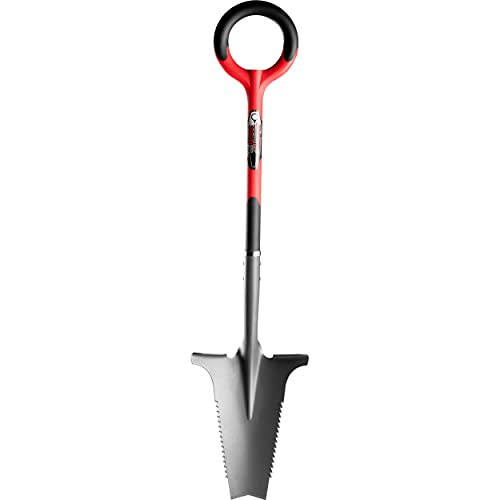
- Heavy-duty digging shovel for root removal yucca
- Root pry bar for stump removal
- Long-handled pruning saw for yucca branches

Before You Start
Assess the area for buried utilities and nearby roots from desirable plants. Wear protective clothing, gloves, and eye protection. Yucca fans create tough, fibrous roots that may crack or snap; plan for extra time if removing a large clump. Always follow product label directions for chemical treatments and ensure pets and children are kept away during application and drying times. Estimate 2–6 hours for the initial removal phase, plus several days for chemical treatments to work.
Step-By-Step: How To Remove Yucca Plants
- Mark the base of the yucca and inspect root structure. Decide whether to remove whole clumps or individual plants.
- Cut back tall leaves with a long-handled pruning saw for safety and easier handling.
- Use a heavy-duty digging shovel to loosen soil around the base, exposing several inches of root system.
- Insert the root pry bar near the main roots and rock the plant to loosen the root ball from the soil.
- Pedal with the shovel and pry bar to pry up large root segments. Work outward in horizontal rings to minimize root breakage and soil disruption.
- For stubborn stumps, drill several shallow holes into the woody core to improve chemical uptake, then apply stump remover gel directly into the holes or on the exposed surface.
- Apply glyphosate weed killer for tree stumps concentrate to the freshly cut surfaces if chemical treatment is chosen. Use according to label: apply on moisture-enhanced surfaces and reapply as directed after rain or irrigation if needed.
- Monitor for regrowth over the next several weeks. If new shoots appear, repeat the stump gel application and/or glyphosate spot treatments to prevent resurgence.
- Dispose of the removed root material properly, avoiding composting if the plant shows vigor or if you plan to replant nearby. Bag or cover roots to prevent spread.
- Return soil to the area, amend with compost, and replant with a desirable ground cover to crowd out any remaining yucca sprouts.
Troubleshooting
| Symptom | Likely Cause | Fix | Prevention |
|---|---|---|---|
| Shoot regrowth after removal | Underground rhizomes or missed roots | Repeat stump gel or glyphosate treatment on exposed areas | Thoroughly excavate and cut back roots during initial removal |
| Stump refuses to decay | Inadequate chemical uptake | Drill holes and reapply stump remover gel or glyphosate | Expose fresh wood before application |
| Soil disturbance around other plants | Heavy digging near desirable roots | Take smaller root cuts and backfill with mulch | Plan a wider exclusion zone when removing large clumps |
| Leaves turning brown after treatment | Environmental stress or improper application | Water adequately and reapply only per label | Apply during appropriate weather conditions |
Common Mistakes
- Underestimating root depth and spreading when removing yucca clumps
- Applying chemical treatments too close to desirable plants or during windy conditions
- Rushing removal without fully freeing the root system, leading to quick regrowth
- Discarding root material improperly or composting potentially viable roots
Taking time to thoroughly remove roots reduces the chance of regrowth and minimizes the need for repeated chemical applications.
Tips For Best Results
- Work on a dry day with calm weather to reduce chemical drift and improve soil conditions for digging.
- Combine mechanical removal with chemical treatments for optimal results on established yucca clumps.
- Keep a clear zone around the plant during pruning to prevent accidental injury from sharp fronds.
- Dispose of removed material in accordance with local yard waste guidelines to avoid spreading pests or diseases.
- Consider replacing yucca with a low-maintenance ground cover to suppress future growth.
Call A Professional
Seek professional help if the yucca is exceptionally large, deeply entrenched, or located near critical utilities or structures. Signs to stop and hire a pro include extensive root systems extending under foundations, or repeated regrowth after multiple treatments. A licensed landscaper can safely excavate and manage chemical applications with proper containment.
FAQ
Is yucca removal safe for surrounding plants?
Yes, when removal is done carefully and herbicides are applied away from desirable plants, though protection during treatment is advised.
How long does it take to remove yucca roots completely?
Removal can take several days to weeks, depending on plant size and soil conditions.
Can I compost yucca roots?
It is not recommended to compost large or vigorous yucca roots due to resprouting risk and potential plant material survival.
What combination of tools works best?
A heavy-duty digging shovel, root pry bar, and pruning saw provide solid leverage and cutting capability for mature yucca clumps.
Can I use glyphosate on a large yucca stump?
Yes, but follow the product label, apply to freshly cut surfaces, and allow sufficient drying and absorption time.
What maintenance follows removal?
Repair soil, mulch, and replant with desired species to prevent future weed pressure and erosion.
When should I call a professional?
If the plant is large, root systems are near structures, or regrowth persists after multiple treatments, contact a professional.
Buying Guide
When selecting tools and products to remove yucca plants, consider how size, soil type, and climate affect performance. A balanced approach combines physical removal with targeted chemical treatment for robust results.
Size and spacing: For larger yucca clumps, equipment like a heavy-duty digging shovel and root pry bar helps access deep roots more efficiently. Smaller plants can often be removed with manual digging and pruning tools.
Noise level and energy efficiency are less relevant for manual tools, but consider the environmental impact of any herbicide. Choose a product with a reputable label and clear usage directions to minimize risk to surrounding plants and wildlife.
Controls and placement: Keep chemical products in a shaded, cool location away from children and pets. Store tools in a dry area to prevent corrosion and prolong tool life. Plan the work area to minimize yard disruption and ensure easy access to disposal zones.
Performance comparisons: If choosing chemical aids, compare stump remover gels versus liquid concentrates. Gels stay on the surface, while liquids may require more thorough application. For extensive removal, a combination approach often yields better long-term results.
Budget considerations: Mechanical removal requires labor and time, while chemical treatments add ongoing cost for multiple applications. Evaluate the size of the yucca and your timeline to determine the most efficient mix of tools and products.
Placement and future-proofing: After removal, prepare the area with mulch or ground cover to suppress regrowth. If replanting, select species compatible with sunlight, soil, and drainage to prevent future root competition.