Chocolate stains are common yet stubborn. With the right approach—using enzyme cleaners, oxygen bleach, and targeted stain removers—most fabrics can be restored without damage. This guide walks through practical methods for clothing, upholstery, and carpets, with step-by-step instructions and troubleshooting tips designed for American households.
Quick Answer
Act quickly: blot excess without rubbing, treat with a stain remover or enzyme cleaner, then launder as directed. For tougher spots, use an oxygen bleach product or a stain spray gel, and repeat if needed. Always test a hidden area first and air dry to avoid setting the stain.
What You’ll Need
The following tools and products are commonly used to remove chocolate stains across fabrics and surfaces.
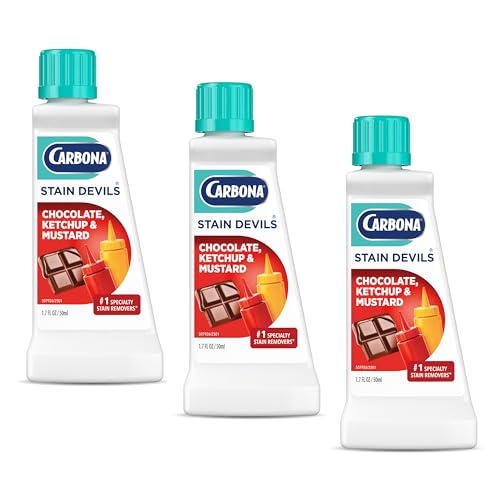
- enzyme stain remover pen chocolate stains fabric
- pre-wash stain stick chocolate stain remover clothing
- oxygen bleach powder for chocolate stains fabrics
- stain remover spray gel for chocolate stains upholstery
- carpet cleaning enzyme cleaner chocolate stain remover


Before You Start
Prepare a clean, well-lit workspace and protect surrounding areas with a cloth or plastic sheet. Use cold water for fresh stains and warm water for older ones, unless the fabric care tag specifies otherwise. Test any product on an inconspicuous area first to prevent color loss or fabric damage. Time estimates vary: spot treatment may take 10–20 minutes, while soaking or machine washing can take 30–60 minutes or more depending on fabric type.
Step-By-Step: How To Remove Chocolate Stains
- Blot the excess chocolate with a clean cloth or paper towel. Do not rub, or you may push the stain deeper.
- Rinse the back of the stain with cold water to push chocolate away from the fibers.
- Apply an enzyme stain remover pen or pre-wash stain stick to the stain and let it sit for a few minutes as directed by the product label.
- For fabrics, mix a small amount of oxygen bleach powder with water if the care tag allows. Create a paste or solution and apply to the stain, then gently blot.
- Gently rub in a circular motion with a soft brush or cloth, then rinse thoroughly with cold water.
- For upholstery, spray a stain remover gel or apply enzyme cleaner, then blot with a clean cloth. Repeat as needed and allow to air dry fully.
- If the stain persists, repeat the treatment and consider a second round with an oxygen bleach product or carpet cleaning enzyme cleaner for deeper fabrics and carpets.
- Wash clothing according to the care label after treatment. Use the warmest water safe for the fabric and add a standard laundry detergent along with any stain-removal product.
- Air dry and inspect. If any trace remains, avoid heat until fully removed to prevent setting the stain.
- For persistent spots on carpets, use a carpet cleaning enzyme cleaner following the product directions and blot until dry.
- Repeat steps as necessary until the stain disappears completely.
Troubleshooting
| Symptom | Likely Cause | Fix | Prevention |
|---|---|---|---|
| Stain darkens after washing | Stain set by heat or insufficient pre-treatment | Repeat pre-treatment with enzyme cleaner or oxygen bleach and wash again | Air dry after treatment; avoid dryer until stain is gone |
| White residue on fabric | Oxygen bleach overuse or residue from cleaner | Rinse thoroughly and launder again without bleach for a cycle | Follow label directions precisely |
| Color fading on delicate fabrics | Harsh chemical exposure | Switch to milder cleaner and test first | Use dedicated stain removers for delicate textiles |
| Stain reappears after drying | Undertreated stain or residue trapped in fibers | Re-treat with enzyme cleaner and rewash | Treat promptly and avoid heat until fully clear |
Common Mistakes
- Applying heat to a fresh stain, which sets it permanently
- Rubbing vigorously, spreading the stain further
- Using bleach on colored fabrics unless it’s safe for the material
- Skipping a patch test on an inconspicuous area
- Waiting too long to treat a stain, making it harder to remove
Tips For Best Results
For best outcomes, act quickly and follow the care instructions on fabric labels. Using enzyme-based cleaners helps break down proteins in chocolate, making removal easier. When treating upholstery or carpets, work from the outside of the stain toward the center to keep edges from spreading. For heavy-duty stains, repeat treatment rather than relying on a single application. Always ensure fabrics are fully dry before using heat-based methods like dryers or irons.
Call A Professional
Consider professional cleaning if the stain covers a large area, involves delicate fabrics (like silk or wool), or if repeated home treatments fail. Signs to stop and seek expert help include color bleeding, fabric distortion, or a stain that resists standard enzyme cleaners and oxygen bleach. A pro can assess fiber content and apply safe, effective solutions.
FAQ
What should I do first when a chocolate stain appears?
Blot gently, rinse with cold water, and apply a stain remover pen or pre-wash stick as soon as possible.
Can I use bleach on chocolate stains?
Only if the fabric care label allows it. Use oxygen bleach on color-safe fabrics and test first.
Is heat safe to use after treating a stain?
Wait until the stain is fully removed and the fabric is dry; heat can set any remaining traces.
Will enzyme cleaners work on all fabrics?
Enzyme cleaners are effective for many natural fibers; always test on a hidden area before full use.
Buying Guide
Choosing the right stain removal tools for chocolate stains depends on fabric type, stain severity, and household needs. Consider the following factors:
- Size and scope: Smaller stains may respond to stain pens or sticks, while larger areas may require sprays, powders, or carpet cleaners.
- Noise level and ease of use: Home devices and sprayers should fit your living space and routine preferences.
- Energy efficiency for any powered cleaning devices: Choose compact, efficient options where possible.
- Controls and product guidance: Look for clear labeling, fabric-safe instructions, and quick action formulations.
- Placement considerations: Use appropriate products for clothing, upholstery, and carpets; store cleaners safely away from children and pets.
When comparing products, consider how each option targets protein-based stains, whether it contains enzymes, and if it is compatible with your fabrics. By matching the stain type to the right cleaner, you can achieve reliable results with less effort.