Fabuwood cabinets offer a polished look that can last with proper cleaning. This practical guide explains safe, effective methods to maintain veneer and painted surfaces without damaging finishes. The approach emphasizes gentle cleaners, proper tools, and routine care to keep cabinets looking their best.
Quick Answer
Use a pH-neutral cabinet cleaner designed for veneer and painted surfaces, applied with a microfiber cloth. Spot-clean corners with a soft brush, and finish with a dry microfiber wipe. For stubborn grime, use a damp cloth followed by a dry one to prevent streaks.
What You’ll Need
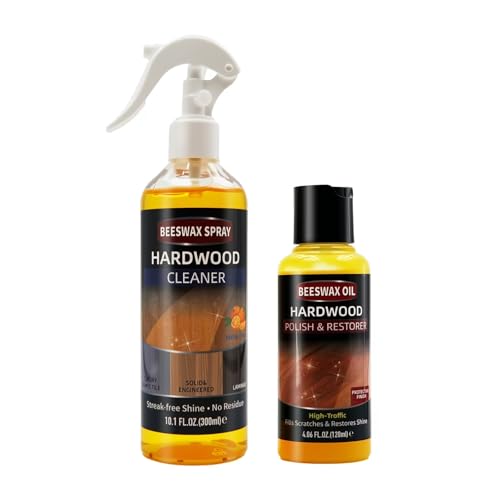
- pH neutral wood cabinet cleaner spray for veneer and painted cabinets
- microfiber cleaning cloths for kitchen cabinet surfaces
- soft bristle brush for cabinet door corners and crevices cleaning
- adjustable spray bottle for wood cabinet cleaner
- cabinet cleaning wipes for veneer and laminate surfaces


Before You Start
Before cleaning, remove items from cabinet doors and shelves to avoid drips on contents. Dust surfaces with a dry microfiber cloth to lift loose dirt first. Choose a well-ventilated area and test cleaners on an inconspicuous spot to confirm no discoloration or finish damage. Never soak wood cabinet surfaces or use abrasive scrubbers, which can dull or scratch the veneer or paint. Plan for a 15–30 minute session per cabinet run, depending on size and grime level.
Step-By-Step: How To Clean Fabuwood Cabinets
- Lay out supplies and wear gloves if desired to protect skin from any cleaner residues.
- Lightly spray the cleaner onto a microfiber cloth rather than directly onto the cabinet surface to avoid seeping into seams.
- Wipe the cabinet faces in the direction of the grain with smooth, even motions to lift dust and grease.
- For corners and crevices, use the soft bristle brush for cabinet door corners and crevices cleaning to dislodge built-up grime gently.
- Address stubborn spots with a slightly damp cloth, then immediately follow with a dry microfiber cloth to prevent moisture from penetrating the finish.
- Clean inside doors, shelves, and pull areas with the same method, paying attention to handles and hardware where oils accumulate.
- Wipe down handles and knobs with a clean, dry cloth; remove fingerprints or smudges with a quick pass of the microfiber cloth.
- For laminate or veneer sections, you may use cabinet cleaning wipes for veneer and laminate surfaces as a convenient, mess-free option—just ensure the wipe does not leave residues.
- Return items to cabinets and allow any surfaces to air-dry completely before reassembling.
- Inspect for streaks and spots; if needed, repeat with a fresh microfiber cloth to achieve a uniform finish.
- Store cleaning tools in a nearby cabinet or drawer for quick future touch-ups.
Troubleshooting
| Symptom | Likely Cause | Fix | Prevention |
|---|---|---|---|
| Streaks or film | Over-wetting or left-over cleaner | Wipe with a dry microfiber cloth until clear | Use less cleaner per pass |
| Finish dulling | Harsh cleaner or abrasive cloth | Switch to pH-neutral cleaner and microfiber cloth | Test on inconspicuous spot first |
| Water spots | Moisture left on surface | Dry immediately with a clean cloth | Wipe with a damp cloth, then dry |
| Grease buildup near hardware | Oil from hands and cooking | Spot-clean with cleaner and soft brush | Clean regularly to prevent buildup |
Common Mistakes To Avoid
- Using ammonia-based or oil-based cleaners on veneer or painted finishes
- Allowing moisture to linger on edges or inside cabinets
- Scrubbing with abrasive pads that scratch the surface
- Over-wetting the surface, especially near seams and joints
Sticking to a routine with gentle products and proper drying helps maintain the cabinet’s appearance over time.
Tips For Best Results
- Schedule a regular wipe-down (weekly light cleaning and monthly deeper cleaning) to prevent grime buildup.
- Use adjustable spray bottle for wood cabinet cleaner to control spray amount and minimize overspray on adjacent surfaces.
- For larger kitchens, work in sections to keep a steady pace and ensure thorough drying.
- Consider a two-step approach: light dusting with microfiber cloth, then targeted cleaning for spots with a soft brush.
- Store all cleaners in their original containers and away from heat sources.
Call A Professional
Seek professional help if there are signs of persistent staining, water damage, or peeling veneer that extends beyond routine cleaning. If surfaces show bubbling, delamination, or significant finish loss, a cabinet refinisher or carpenter can assess structural integrity and offer restoration options.
FAQ
Is pH neutral cabinet cleaner safe for all Fabuwood finishes?
Yes, a pH-neutral formula is generally safe for veneer and painted finishes, reducing risk of damage when used as directed.
How often should I clean Fabuwood cabinets?
Light dusting weekly and deeper cleaning monthly helps maintain appearance and hygiene without excessive moisture exposure.
Can I use vinegar on cabinets?
Vinegar-based cleaners are not recommended for all finishes; use a product specified as safe for wood cabinets to avoid potential damage.
What should I do if a spill occurs on the cabinet?
Wipe immediately with a microfiber cloth, then follow with a light cleaner if residue remains.
Are microfiber cloths essential?
Microfiber cloths minimize scratches and streaks while effectively lifting dirt with less product.
Can I use soap and water for cleaning?
A mild cleaner designed for cabinets is preferred; soap and water can be used sparingly but ensure thorough drying afterward.
Should I remove hardware before cleaning?
Yes, removing knobs and pulls can make it easier to clean the entire surface and prevent residue around fixtures.
Buying Guide
When choosing cabinet cleaners and tools for Fabuwood cabinets, consider several buying factors to ensure compatibility and results.
- <bSize and coverage: For small to medium kitchens, a standard cleaner spray bottle plus microfiber cloths is usually sufficient; larger kitchens may benefit from bulk wipes and a spray bottle with adjustable nozzle.
- <bNoise level and ease of use
- <bEnergy efficiency is not a direct factor here, but choose products with concentrated formulas to minimize waste and environmental impact.
- <bControls and spray pattern: An adjustable spray bottle helps control the amount of cleaner applied, reducing over-wetting.
- <bPlacement: Store cleaners in a cool, dry place away from heat sources and accessible to cleaning areas for quick maintenance.
- <bSurface compatibility: Ensure products are labeled safe for veneer, painted, laminate, and veneer finishes typical of Fabuwood cabinets.
- <bIngredients and safety: Look for pH-neutral formulas and non-abrasive components to protect finishes and indoor air quality.
- <bValue and convenience: Consider bundles that include a spray bottle, microfiber cloths, and cabinet wipes for a complete kit.
Is a combined kit better for beginners? It often saves time and ensures you have compatible tools, while professional-grade products can provide longer-lasting results for heavily used kitchens. Adopting a routine cleaning plan tailored to cabinet finishes helps maintain beauty and longevity.