Aluminum surfaces can shine like new with the right approach. This guide walks through safe, scratch-free cleaning methods suitable for appliances, outdoor metals, and decorative pieces. By using gentle cleaners and proper tools, homeowners can maintain luster without marring finishes.
Whether restoring dull panels or keeping kitchen hardware pristine, the steps below balance effective dirt removal with surface safety. The methods emphasize non-abrasive products and careful technique to minimize micro-scratches.
Quick Answer
Use non-abrasive cleaners, a soft cloth or microfiber, and gentle scrubbing tools. Avoid steel wool or harsh scrub pads. For stubborn stains, employ a aluminum polishing cream non-scratch or non-abrasive aluminum cleaner spray 12 oz following label directions. Finish with a protective conditioner to prevent future dullness.
What You’ll Need
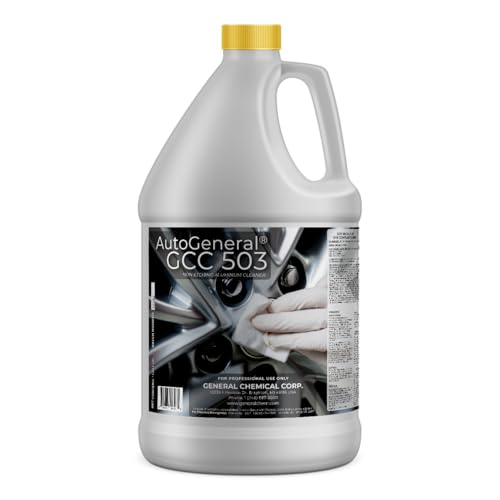
- non-abrasive aluminum cleaner spray 12 oz
- aluminum polishing cream non-scratch
- gentle aluminum cleaner wipes
- non-abrasive aluminum scrub pad
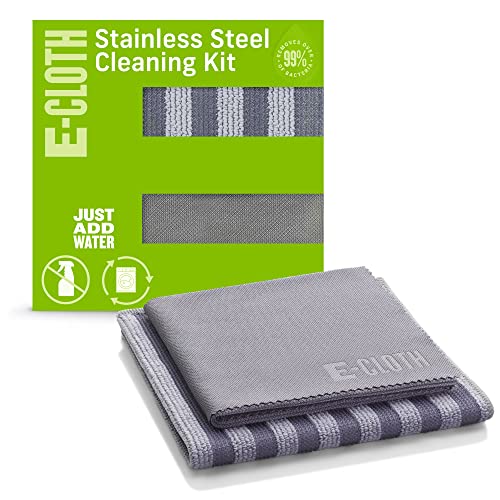
- aluminum surface conditioner microfiber cloth kit

Before You Start
Inspect the aluminum surface for damage such as pitting or deep scratches. Work in a shaded area to prevent rapid drying. Test cleaners on a small, inconspicuous patch first. Protect surrounding surfaces with a damp cloth or tape. Time estimate: 20–45 minutes depending on area and condition. Wear gloves if handling chemical cleaners and ventilate the area well to minimize fumes.
Step-By-Step: How To Clean Aluminum Without Scratching
- Dust the surface with a clean microfiber cloth to remove loose debris.
- Apply a light mist of non-abrasive aluminum cleaner spray 12 oz to a soft, lint-free cloth.
- Wipe in the direction of the grain to minimize micro-scratches and evenly lift grime.
- For stubborn spots, use gentle aluminum cleaner wipes and a non-abrasive aluminum scrub pad with light pressure.
- Rinse or wipe away residue with a clean, damp microfiber cloth; dry thoroughly.
- Apply a small amount of aluminum polishing cream non-scratch to a fresh cloth and buff in circular motions until shine returns.
- Wipe off excess with a clean microfiber cloth; repeat if necessary for deeper restoration.
- Finish with aluminum surface conditioner microfiber cloth kit to seal and protect the surface.
- Inspect for dull patches; repeat polishing and conditioning only on areas that need it.
- Clean the surrounding areas to remove any leftover product and restore overall balance.
- Store cleaners in a cool, dry place away from direct sunlight; label and keep out of reach of children.
- For outdoor installations, reapply conditioner seasonally to maintain protective coating.
Troubleshooting
| Symptom | Likely Cause | Fix | Prevention |
|---|---|---|---|
| Streaks after cleaning | Residue from cleaner or insufficient drying | Wipe again with a damp cloth, dry thoroughly | Use microfiber cloths; wipe in the grain |
| Swirl marks or micro-scratches | Using abrasive pads or circular scrubbing | Switch to non-abrasive pad and gentle pressure | Keep pad flat; avoid circular abrasion |
| Loss of shine after cleaning | Over-polishing or over-wiping with harsh chemicals | Limit polishing time; use polishing cream sparingly | Follow product directions precisely |
| Reactive dull patches on outdoor aluminum | Enviro-damage or protective coating wear | Reapply conditioner designed for outdoor use | Recondition periodically to maintain seal |
Common Mistakes
- Using abrasive pads or metal brushes on aluminum surfaces
- Over-saturating with cleaner, leading to residue and streaks
- Scrubbing against the grain instead of following it
- Skipping a drying step, which can cause water spots
- Neglecting to condition outdoor aluminum after cleaning
Tips For Best Results
- Test cleaners on a hidden area before full application
- Always wipe in the direction of the metal grain
- Use a dedicated microfiber cloth for each stage (cleaning, polishing, conditioning)
- For large flat panels, work in small sections to prevent drying marks
- Store products away from heat sources to maintain effectiveness
Call A Professional
Seek professional help if the aluminum surface shows deep corrosion, extensive pitting, or if the finish has degraded significantly. Stop cleaning and consult a pro when chemical cleaners cause discoloration, bubbling, or etching. For high-value appliances or outdoor installations, an expert can assess protective coatings and refinishing options.
FAQ
Can I use household cleaners on aluminum without scratching?
Some household cleaners are safe if they are non-abrasive and used with a soft cloth; avoid bleach or abrasive products on aluminum finishes.
What is the safest method to remove grime from aluminum appliances?
Start with a gentle aluminum cleaner spray and a microfiber cloth, then polish with a non-scratch cream for a final shine.
Is it necessary to seal aluminum after cleaning?
Sealing isn’t always required, but applying a conditioner helps protect the surface and extend the shine, especially for outdoor use.
What should I do if I notice dull spots after cleaning?
Re-apply a light coat of aluminum polishing cream non-scratch and buff until the area regains luster.
Buying Guide
Choosing the right products and tools for cleaning aluminum without scratching involves evaluating several factors. Size matters for large panels, while concentration and contact time influence effectiveness. Noise is generally not a concern for hand cleaning, but ease of use matters for quick maintenance. The following factors help tailor the selection to different aluminum surfaces:
- Cleaning products — Prefer non-abrasive formulations like non-abrasive aluminum cleaner spray 12 oz and gentle aluminum cleaner wipes to minimize scratches while lifting grime.
- Polishing and conditioning — Use aluminum polishing cream non-scratch to restore luster, followed by an aluminum surface conditioner microfiber cloth kit to seal and protect the finish.
- Tools and applicators — Soft microfiber cloths and non-abrasive scrub pads reduce the risk of micro-scratches, while keeping residue minimal.
- Surface type and placement — For appliances, indoor use; for outdoor hardware, choose products designed for exposure and weather resistance.
- Size and application area — Larger surfaces may benefit from spray cleaners and longer buffing sessions; smaller items are suited to wipes and compact kits.
- Ease of use — Kits that combine cleaning, polishing, and conditioning provide a streamlined workflow and consistent results.
- Maintenance schedule — Regular gentle cleaning with conditioning prevents dull patches and extends the finish’s life.
Ready to restore aluminum shine without scratching? Match the product set to the surface and follow the steps for a clean, protected finish. If in doubt, start with the mildest option and progress to polishing only as needed.