Metal bed frames bring a sturdy aesthetic to bedrooms, but they can accumulate dust, grime, and rust over time. This guide provides practical, American-friendly steps to restore shine and keep metal beds looking their best. By using common cleaning tools and simple methods, homeowners can refresh frames without damaging finishes or components.
Quick Answer
Begin with a gentle cleaning to remove surface dust, then apply specialized rust treatments if oxidation appears. For stubborn spots, use a drill brush attachment for metal surface cleaning and a rust remover gel. Finish with a microfiber cloth and, if needed, a stainless steel polishing kit to restore luster. Always test a small area first and dry thoroughly to prevent moisture-related issues.
What You’ll Need
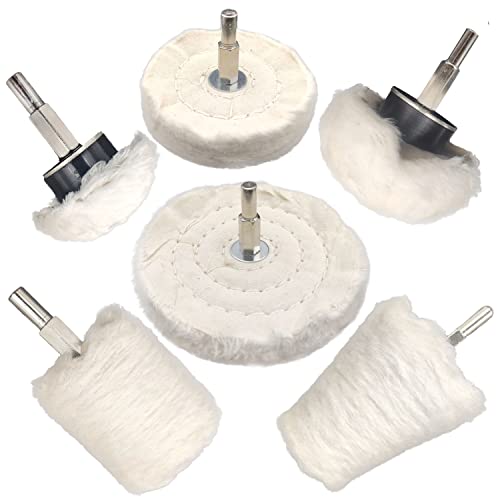
- Drill brush attachment for metal surface cleaning
- Rust remover gel for metal furniture and bed frames
- Microfiber cleaning cloths for metal bed frames
- Stainless steel polishing kit for metal furniture
- 0000-grade steel wool pad for rust removal on metal frames


Before You Start
Preparation reduces the risk of scratching or damaging protective coatings. Clear the area around the bed and remove any bedding or decorative items. Vacuum or brush away loose dust from the frame, paying attention to joints and decorative elements. For safety, unplug nearby electrical devices if you are using a power drill or cleaner near outlets. Wear gloves to protect hands from sharp edges and chemical cleaners. Allow adequate ventilation if using rust remover gel or solvents, and never mix cleaners. Estimate the time range as 30 to 90 minutes depending on frame condition.
Step-By-Step: How To Clean A Metal Bed Frame
- Remove all dust: Use a dry microfiber cloth to wipe down the entire frame, focusing on corners and joints where dirt tends to collect.
- Inspect for rust: Look for dark spots or flaking coating. If rust is present, proceed to targeted rust treatment.
- Apply rust remover gel: Place a small amount on a cloth or sponge and rub onto rusty areas. Let it sit per product instructions before scrubbing.
- Agitate with a drill brush: For textured or intricate areas, attach the drill brush attachment for metal surface cleaning and work in gentle circular motions.
- Rinse and wipe: Use a slightly damp microfiber cloth to remove cleaner residues. Dry immediately with a clean, dry cloth to prevent water spots.
- Remove rust remnants: If any rust remains, gently use a 0000-grade steel wool pad in a light, controlled motion. Wipe away dust afterward.
- Polish the frame: Apply a small amount of stainless steel polish from the polishing kit and buff with a clean microfiber cloth until the surface shines.
- Address joints and fasteners: Wipe screw heads and joints to remove grime; lubricate with a light machine oil if metal-on-metal squeaks occur.
- Final wipe down: Give the entire frame a final pass with a dry microfiber cloth to ensure a streak-free finish.
- Let it dry completely: Ensure all cleaned surfaces are thoroughly dry before reassembling bedding or adding decorative components.
- Regular maintenance: Schedule a quick monthly wipe-down and a deeper clean every 3–6 months depending on use and environment.
Troubleshooting
| Symptom | Likely Cause | Fix | Prevention |
|---|---|---|---|
| Streaks after polishing | Residue left on surface | Rewipe with a clean microfiber cloth and a small amount of polish | Use minimal product and wipe in one direction |
| Rust spots reappearing | Underlying moisture or pitting | Reapply rust remover gel to affected area; consider deeper rust treatment | Keep frame dry; wipe spills promptly |
| Scratches visible post-cleaning | Overly abrasive tools | Switch to gentler microfiber or finer steel wool (0000) | Test in hidden area first |
| Discoloration on finish | Strong cleaners or prolonged exposure | Rinse well and use milder cleaners | Avoid harsh solvents |
Common Mistakes
- Using abrasive brushes on delicate surfaces that finish can be scratched
- Letting moisture linger on metal frames after cleaning
- Ignoring joints and hardware where grime accumulates
- Overapplying rust removers or polishes, resulting in residue
Mindful technique and patience help prevent these issues and extend the bed frame’s life.
Tips For Best Results
- Test cleaners on a hidden area to ensure no adverse effects on finish.
- Work in a well-ventilated space when using chemical cleaners or solvents.
- Use a soft microfiber cloth for a streak-free finish and to minimize scratches.
- Dust and wipe regularly to keep metal frames looking fresh between deeper cleans.
- Store rust remover products according to label directions and away from children.
Call A Professional
Consider professional help if the frame shows structural rust that compromises strength, severe corrosion that penetrates protective coatings, or if the frame has sentimental or high-value finishes. Seek a metal furniture restoration specialist if coating integrity is uncertain or if you notice warping, loosening joints, or paint peeling that involves substrate damage.
FAQ
Can I use bleach on a metal bed frame?
Avoid using strong bleach products on metal frames, as they can corrode finishes over time. Use milder cleaners and test first.
Is it safe to use a drill near a bed frame?
Yes, with caution. Use a low-speed setting, a soft brush attachment, and avoid pressurized sprays near joints or upholstery.
How often should I clean a metal bed frame?
Light monthly cleanups help maintain appearance, with a full deep-clean every 3–6 months depending on environment.
What tools are essential for rust removal?
Gentle options like a 0000-grade steel wool pad and a rust remover gel, used carefully, provide effective rust control.
Buying Guide
When choosing products for cleaning and maintenance, consider size and type of the metal frame, the finish’s sensitivity, and environmental conditions. Look for rust-specific products that are safe for household metal furniture and avoid harsh abrasives that could scratch surfaces. A light, microfiber-focused approach often yields the best balance of effectiveness and care. If frequent cleaning is likely, invest in a good stainless steel polishing kit and a durable drill brush attachment to streamline tasks. For homes with hard water or coastal exposure, rust prevention becomes especially important, so select products that offer protective outcomes without leaving residues.