Fruit flies can quickly invade kitchens and pantries, drawn to ripe fruit, sugary drinks, and fermented foods. This guide offers practical, proven methods to reduce and eliminate fruit fly populations using common household tools and commercially available traps. Readers will learn a mix of preventive steps and targeted trapping strategies that work in American homes.
Quick Answer
Start with a rapid clean-up and trap setup: remove overripe fruit, rinse recyclables, and set multiple traps (both attractant-based and barrier traps) to catch adults. Use a combination of vinegar-based traps, UV light attractors, and sticky strips for best results, then seal food waste and compost properly to prevent reinfestation.
What You’ll Need
- Apple cider vinegar fruit fly trap or other vinegar-based attractant
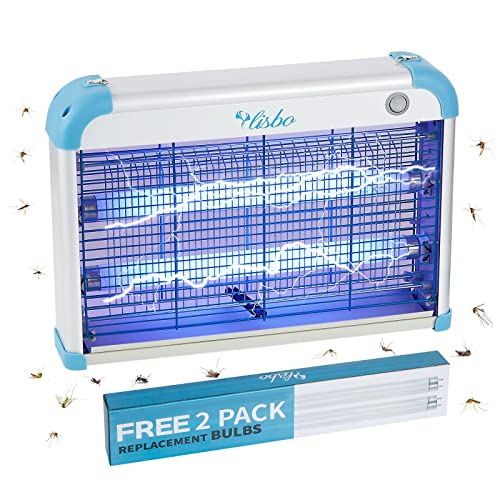
- Electric plug-in fruit fly killer UV light
- Sticky fruit fly trap strips
- Plastic bottle funnel fruit fly trap or another funnel trap
- Glue trap for fruit flies


Before You Start
Before beginning, assess the affected area and set a realistic timeline. Clear countertops, wipe up spills immediately, and empty the trash regularly. Safety notes include keeping traps out of reach of children and pets, especially those that involve liquids or sticky substances. Plan a 1–2 day initial attack and monitor progress daily. Expect ongoing maintenance for several weeks in severe infestations, but results typically appear within a week when traps are used consistently.
Step-By-Step: How To Get Rid Of Fruit Flies
- Identify sources: remove overripe fruit, discard scraps, and rinse containers that hold sugary liquids.
- Set up an apple cider vinegar trap: fill a small container with apple cider vinegar, cover with plastic wrap, and poke several small holes to lure and trap flies. Replace daily to maintain effectiveness.
- Position sticky trap strips: place near the kitchen sink, compost bin, and fruit bowl to intercept wandering adults. Replace as needed when sticky surface is full.
- Use a plastic bottle funnel trap: cut a bottle in half, invert the top into the bottom with a funnel, and add a vinegar solution. Flies crawl in and cannot escape.
- Deploy an electric plug-in UV light trap: place in a central area away from children and pets. The UV light attracts flies; a fan or grid traps them inside.
- Combine traps for broad coverage: place multiple traps at different heights (counter, cabinet top, near waste) to capture different flight paths.
- Clean as you trap: wash reusable produce containers, wipe down shelves, and remove damp cloths away from food areas to minimize breeding sites.
- Dispose of captured flies: seal used traps in a bag and discard to prevent odor or scent cues that may attract more flies.
- Revise bait if needed: if one trap seems weak, swap to a stronger vinegar solution or introduce a gel attractant designed for fruit flies.
- Reassess and repeat: monitor daily and rerun traps, ensuring food waste is minimized and surfaces remain dry and clean.
- Maintain prevention: seal compost bins, store ripe fruit in the refrigerator, and promptly empty the trash to keep the environment inhospitable to fruit flies.
Troubleshooting
| Symptom | Likely Cause | Fix | Prevention |
|---|---|---|---|
| Flies persist after trap setup | Breeding sites not eliminated | Deep clean and remove all damp organic matter | Regular trash and produce waste management |
| Trap odors or spills | Leakage from traps | Use sealed lids or replace with clean attractant | Keep surfaces dry and wipe spills promptly |
| Few flies captured | Traps not accessible to flies | Place traps closer to breeding areas and sinks | Increase trap density |
| Sticky strips fail to work | Residue buildup | Replace strips and clean surrounding area | Rotate trap positions for better exposure |
| Children or pets contact traps | Trap access | Relocate to high shelves or rooms with restricted access | Use childproof covers or plug-in devices with safety features |
Common Mistakes
- Relying on a single trap type instead of a multi-prong approach
- Ignoring hidden breeding spots like empty bottles, cleaning rags, or dish sponges
- Leaving produce exposed or storing fruit at room temperature for long periods
- Overfilling trash bins or not washing out containers after use
- Using traps near food prep areas without proper ventilation or safety measures
Tips For Best Results
- Combine traps strategically: use a mix of apple cider vinegar traps, sticky strips, and UV light units for broad coverage.
- Replenish attractants regularly: fresh solutions attract more fruit flies and keep traps effective.
- Maintain cleanliness: wash dishes promptly, store fruit in the refrigerator, and wipe up spills within minutes.
- Target breeding sites: empty compost bins, rinse recycle containers, and seal garbage properly to reduce reinfestation.
- Rotate trap placement: move traps to different surfaces weekly to intercept new flies.
Call A Professional
Consider professional help if fruit fly activity persists beyond 2–3 weeks despite consistent trapping and sanitation. Signs to seek assistance include large populations in multiple rooms, infestations near drains and dumpsters, or if home remedies have not reduced activity. A pest control expert can identify hidden breeding sites and apply targeted treatments safe for homes with children and pets.
FAQ
What attracts fruit flies the most?
Ripe fruit, sugary beverages, and fermenting substances attract fruit flies; maintaining clean surfaces and promptly disposing of waste reduces attraction.
How long does it take to get rid of fruit flies with traps?
Most households see a noticeable reduction within 3–7 days with a multi-trap approach and sanitation, though complete control may take up to a few weeks.
Can I use DIY vinegar traps alone?
DIY apple cider vinegar traps are helpful, but combining them with sticky strips and UV light traps improves efficacy.
Are fruit flies harmful?
Fruit flies are mainly a nuisance and do not pose serious health risks, but they can contaminate food; proper sanitation minimizes this risk.
Buying Guide
When choosing fruit fly control tools, consider size, placement, noise, and ease of use. For example, apple cider vinegar fruit fly traps are inexpensive and easy to deploy, while electric plug-in fruit fly killer UV light devices offer continuous operation with hands-off management. Sticky fruit fly trap strips provide quick interception on counters, and plastic bottle funnel fruit fly traps create effective DIY solutions. Glue traps for fruit flies are simple and portable for near trash areas or drains. Look for products with simple replacement parts and clearly labeled attractants, and ensure devices are safe for kitchens and homes with pets. Consider noise levels for plug-in devices and the trap’s placement flexibility to fit different kitchen layouts and food prep zones.
Key factors to compare include:
- Size and placement: Will it fit on counters, under cabinets, or near waste areas?
- Noise level: Especially important in kitchens and living spaces.
- Energy efficiency: Plug-in devices should be energy-conscious with auto-off or night modes.
- Controls: Simplicity of operation and ease of replacing attractants or strips.
- Durability: Plastic bottle traps and glue strips should hold up with repeated use.
Are you dealing with a recent fruit fly surge or a lingering problem? A layered approach that combines sanitation, multiple trap types, and consistent maintenance tends to deliver the most reliable results for American homes. If DIY methods feel overwhelming, start with a compact kit that includes both a trap and sticky strips to establish an effective baseline and then expand as needed. The goal is a clean, dry, and unattractive environment that discourages future fruit fly activity.