Wooden salad bowls add warmth and character to everyday meals, but they require proper care to prevent cracking, warping, or lingering odors. This guide provides practical, step-by-step methods tailored for American kitchens to keep wooden bowls clean, bright, and long-lasting.
Quick Answer
Rinse lightly with warm water, avoid soaking, scrub with a soft bristle brush or non-scratch sponge, pat dry, and finish with a thin coat of mineral oil or beeswax conditioner. Regular maintenance prevents stains and odors while preserving the wood’s natural luster.
What You’ll Need
- Mineral oil for wooden bowls and utensils
- Beeswax wood conditioner for cutting boards and bowls
- Soft bristle dish brush for wooden bowl cleaning
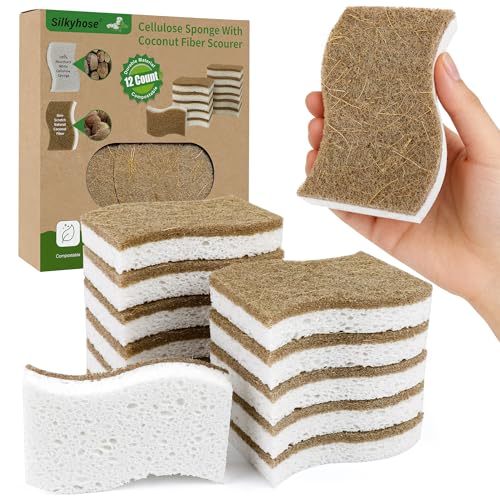
- Non-scratch sponge for cleaning wooden bowls
- Microfiber cloth for wooden bowl care and drying


Before You Start
Inspect for deep cracks or warping; if found, consider professional assessment before use. Avoid soaking the bowl in water, which can cause swelling and separation of joints. Use warm water and a mild cleaning agent if needed. Dry promptly after washing to prevent moisture damage. Allow the bowl to air-dry completely in a well-ventilated area before applying any conditioner.
Estimated time: 10–20 minutes for routine cleaning; 1–2 hours for thorough oiling and conditioning, allowing adequate absorption and drying between steps.
Step-By-Step: How To Clean A Wooden Salad Bowl
- Rinse the bowl under warm running water to remove loose debris.
- Gently wipe away any residue with a non-scratch sponge or a soft bristle dish brush to avoid scrubbing hard on the grain.
- For stubborn stains, make a light paste with water and baking soda, apply briefly, and rinse thoroughly.
- Dry the bowl completely with a microfiber cloth, then allow it to air-dry facedown on a rack to ensure interior surfaces dry fully.
- Apply a thin, even coat of mineral oil for wooden bowls and utensils to condition the wood and seal the surface.
- Wipe off excess oil with a clean microfiber cloth and let the bowl rest for a few hours or overnight if possible.
- Every few months, treat with beeswax wood conditioner for cutting boards and bowls to maintain moisture balance and protect from drying.
- Store in a dry, well-ventilated area away from heat or direct sunlight to prevent cracking or warping.
Troubleshooting
| Symptom | Likely Cause | Fix | Prevention |
|---|---|---|---|
| Dry, cracking surface | Drying wood or lack of conditioning | Apply mineral oil, then beeswax conditioner; repeat as needed | Regular oiling every few months |
| Persistent odor | Food residues absorbed into wood | Clean with mild soap and water, dry thoroughly, and re-oil | Oil periodically to seal odor-causing pores |
| Stains that won’t lift | Deep staining from foods like beets or turmeric | Make gentle paste with baking soda and water, scrub softly, rinse | Prompt cleaning after use; avoid prolonged staining foods |
| Warping after washing | Excess moisture or heat exposure | Ensure complete drying; avoid hot water | Dry promptly; store away from heat sources |
Common Mistakes To Avoid
- Soaking the bowl in water for extended periods
- Using harsh detergents or bleach on wood
- Over-oiling, which can create a tacky surface
- Drying in direct sun or near heat sources
Keeping the wood balanced with regular cleaning and conditioning helps prevent these issues and extends the bowl’s life.
Tips For Best Results
- Oil promptly after washing to restore moisture and protect against cracking.
- Buff with a microfiber cloth to remove any fingerprints and restore sheen.
- Use separate tools (brush or sponge) designed for wood to avoid scratching inner surfaces.
- Store in a dry area with good air circulation to prevent moisture buildup.
- Rotate: occasionally condition the exterior and interior evenly to prevent uneven drying.
Call A Professional
Seek professional help if the bowl shows deep cracks, significant warping, mold growth, or persistent odors despite cleaning and conditioning. Do not use the bowl for food until repairs are confirmed safe.
FAQ
How often should I oil a wooden salad bowl?
Oil when the wood starts to feel dry or looks dull; typical intervals range from every few weeks to every few months, depending on climate and usage.
Can I use dish soap on a wooden salad bowl?
Yes, use a mild, non-bleach dish soap and rinse thoroughly, then dry promptly.
Is it safe to put a wooden bowl in the dishwasher?
No. Dishwashers expose wood to high heat and prolonged moisture, which can cause cracking and warping.
What oils are best for conditioning wooden bowls?
Mineral oil and beeswax-based conditioners are common choices; avoid mineral-based silicone oils that can leave residues.
Should I wet the bowl before applying oil?
A light dampening can help distribute oil evenly, but avoid soaking; always wipe and dry before applying conditioner.
What if the wood darkens after conditioning?
A slight darkening is normal as the wood absorbs oil; wipe excess and allow it to settle evenly.
Can I use vinegar to clean my wooden bowl?
Vinegar is generally not recommended for wood finishes; use mild soap and warm water instead.
How do I remove stubborn stains?
Use a gentle baking soda paste, scrub softly, rinse, and repeat if necessary before re-oiling.
Buying Guide
When selecting a wooden salad bowl, consider size, finish, and care requirements. A mid-size bowl comfortably holds mixed greens and toppings; look for a smoothly finished interior to avoid splinters. For ongoing maintenance, pair the bowl with a mineral oil and beeswax conditioning system to keep the wood hydrated and protected. Noise and energy concerns aren’t applicable here, but consistency in the finish matters for food safety and appearance. If shopping for care products, prioritize formulations designed for culinary wood, and ensure they are food-safe and easy to apply. Placement on a kitchen shelf should keep the bowl away from direct heat and sunlight, which can dry and warp wood over time.