Sweat stains on bed sheets are a common issue for many households. This guide provides practical, step-by-step methods using common stain fighters to restore whiteness and freshness without damaging fabrics. It covers enzyme-based cleaners, oxidizing powders, and fabric-safe gels, with tips for different sheet materials and washing routines.
Readers will find a straightforward approach that blends pre-treatment, washing, and maintenance to prevent future staining. The methods are suitable for cotton, cotton blends, and some microfiber sheets, and they avoid harsh abrasives. Always check fabric care labels before starting.
Quick Answer
Act quickly: rinse or blot excess sweat, treat with an enzyme laundry stain remover spray or a pre-wash stain remover pen, then wash with a whitening or stain-fighting booster. For stubborn marks, an oxidizing stain remover powder can lift perspiration residues after an initial treatment.
What You’ll Need
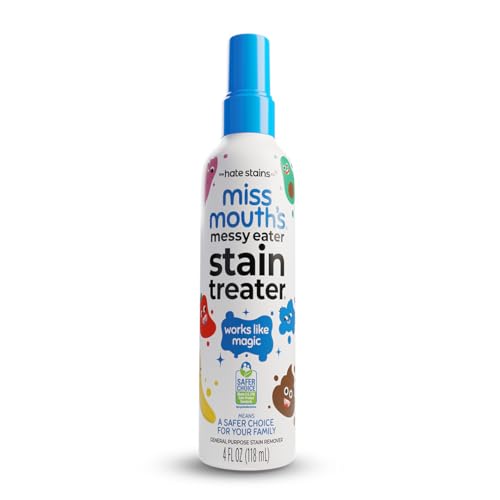
- Enzyme laundry stain remover spray sweat stains 16 oz for sheets
- Pre-wash stain remover pen for sweat stains on bed sheets
- Oxidizing stain remover powder for perspiration on sheets 1 lb
- Fabric-safe stain remover gel for sweat marks on bedding 12 oz
- Stain fighting laundry booster for sweat on white sheets 2 lb


Before You Start
Safety first: perform a spot test on a hidden corner of the sheet for colorfastness before full treatment. Check the care label for fabric type and washing instructions. Time estimates vary: prep can take 5–15 minutes, while full treatment and washing may take 30–60 minutes plus a standard wash cycle. Do not mix different cleaners in one treatment step as this can create fumes or cause fabric damage. If allergy-prone or sensitive skin is a concern, use fragrance-free products.
Surface prep tips help prevent spread: lay sheets flat on a clean surface, and work from the outside of the stain toward the center to avoid widening the mark.
Step-By-Step: How To Clean Sweat Stains From Sheets
- Identify stained areas by color intensity and texture; darker, damp areas indicate sweat buildup.
- Rinse the sheet under cool water to dilute the perspiration before applying cleaners.
- Apply an enzyme laundry stain remover spray sweat stains 16 oz for sheets directly to the stain, saturating the fabric.
- If a spot remains, use a pre-wash stain remover pen for sweat stains on bed sheets and work the tip into the fibers for a deeper lift.
- Let the treatments sit for 5–10 minutes, allowing enzymes and active ingredients to penetrate.
- For persistent stains, prepare a paste or separate solution with oxidizing stain remover powder for perspiration on sheets 1 lb and apply to the area, following product directions.
- Wash the sheet in the hottest water safe for the fabric, using a stain-fighting laundry booster for sweat on white sheets 2 lb to boost whitening and stain removal.
- Check the stain before drying; if any residue remains, repeat treatment or move to a second cycle.
- Air-dry or tumble dry according to the care label. Avoid high heat on delicate fabrics to prevent setting stains.
- For persistent or set-in stains, consider a second wash cycle with a fresh dose of stain remover gel for sweat marks on bedding 12 oz.
- Regular maintenance: wash sheets weekly and use enzyme-based products with routine detergents to prevent buildup.
Troubleshooting
| Symptom | Likely Cause | Fix | Prevention |
|---|---|---|---|
| Stain remains after washing | Stain set-in or insufficient pre-treatment | Repeat with enzyme spray and pre-wash pen, allow longer dwell time | Treat promptly, avoid heat drying |
| Yellowing on white sheets | Perspiration and minerals buildup | Use oxidizing stain remover powder in follow-up wash | Wash more frequently, use whitening boosters |
| Fabric damage or color fading | Overuse of strong cleaners on delicate fabrics | Switch to fabric-safe gel and use gentler wash cycle | Always test on a hidden area first |
| Stain spreads during treatment | Wetness followed by agitation | Apply cleaners in a contained area and blot, not rub | Work from outside toward the center |
Common Mistakes
- Not testing cleaners on a hidden fabric area before full use
- Using hot water on cotton blends with delicate finishes
- Rubbing stains aggressively, which can embed pigments deeper
- Overloading the washing machine, reducing effective agitation
Tips For Best Results
- Pre-treat sweat stains as soon as possible for best results.
- Pair enzyme cleaners with oxidizing powders for tougher marks, but never mix chemical families in one step.
- Use the appropriate water temperature per the fabric care label to maximize stain removal without shrinking.
- For white sheets, a regular booster helps maintain brightness and reduces repelling of stains in future washes.
- Consider a weekly rotation of stain fighters to prevent buildup on frequent bed sheet washers.
Call A Professional
Seek professional help if stains persist after multiple at-home attempts, or if sheets are valuable or delicate (silk blends, antique linens). Also contact a pro if any cleaners cause color loss, fabric thinning, or unusual odors that persist after washing.
FAQ
Can I use hot water to remove sweat stains?
Hot water can set proteins in sweat, making stains harder to remove. Use cool or warm water within the fabric’s care guidelines.
Are enzyme cleaners safe for all fabrics?
Enzyme cleaners are safe for many cotton and polyester blends, but always check the care label and perform a test first on delicate fabrics.
Should I mix stain removers with detergent?
Follow product directions; generally, avoid mixing different cleaners in one treatment step to prevent chemical reactions.
When is it appropriate to repeat a treatment?
If a stain remains after the first wash, repeat the pre-treatment and wash cycle, using the strongest product suitable for the fabric.
Buying Guide
When choosing products to combat sweat stains on sheets, consider size, performance, and compatibility with sheet fabrics. Factors to compare include stain-fighting power, enzyme versus oxidizing mechanisms, and whether the product is safe for white versus colored sheets. Noise and energy usage are not typically major concerns for at-home laundry, but choosing a compact spray bottle or gel format can enhance storage convenience.
Key buying factors include:
- Size and dosing: Larger bottles or multipacks reduce frequency of purchases and ensure consistent treatment capability.
- Stain type compatibility: Enzyme-based formulas work well on protein-based stains like sweat; oxidizing powders excel on mineral streaks and set-in marks.
- Fabric compatibility: Confirm colorfastness and fabric type compatibility to avoid damage to delicate sheets.
- Application format: Sprays, pens, gels, or powders offer different precision and coverage; choose based on stain size and location.
- Performance claims: Look for terms like “enzyme action,” “oxygen bleach,” and “fabric-safe” to match your needs.
- Placement considerations: For bed sheets, both top-load and front-load washers benefit from boosters that improve whitening while protecting fibers.
Wondering which combination of products best fits a weekly laundry routine? A practical approach combines a versatile enzyme spray, a convenient pre-wash pen for quick spot checks, and a gentle fabric-safe gel for ongoing maintenance. This trio supports clean sheets without harsh handling or excessive scrubbing, keeping beds fresh night after night.