Cleaning a sink after handling raw chicken is essential to prevent cross-contamination and keep kitchen surfaces safe. This guide walks through practical steps using common kitchen tools and cleaners to sanitize thoroughly and restore a clean, odor-free sink.
Quick Answer
Disinfect promptly, wear disposable gloves, rinse with hot water, scrub with a non-scratch brush, and finish with a disinfectant spray. Rinse again and dry to reduce lingering bacteria and prevent odors.
What You’ll Need
- Stainless steel sink scrub brush non-scratch
- Microfiber kitchen cleaning cloth set
- Kitchen sink scrub brush with scraper
- Nitrile disposable gloves for cleaning
- Kitchen disinfectant spray for sinks

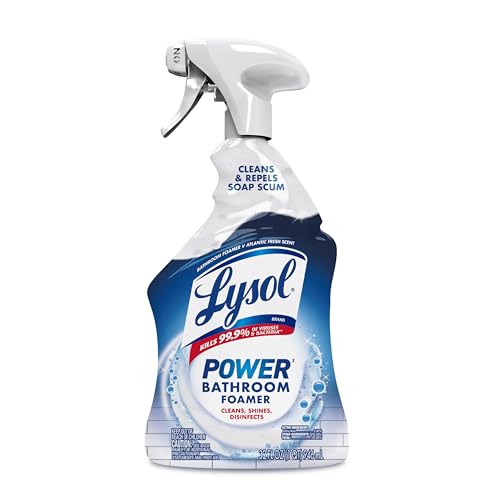

Before You Start
Prepare by clearing the sink and removing debris. Put on nitrile disposable gloves to protect hands from bacteria and cleaning chemicals. Use hot water to loosen residues, and ensure the spray disinfectant is compatible with your sink material. Time estimate: 10–15 minutes for a thorough clean.
Cautions: Do not mix cleaners with bleach unless guidelines allow it, and avoid abrasive pads on delicate finishes. If the sink has a stubborn odor, increase ventilation by opening a window or turning on a fan.
Step-By-Step: How To Clean A Sink After Handling Raw Chicken
- Rinse the sink with hot water to remove visible meat particles and juices.
- Wear nitrile disposable gloves and spray the entire basin with a kitchen disinfectant spray for sinks.
- Wait 30–60 seconds for the disinfectant to contact all surfaces, including the drain area.
- Use the kitchen sink scrub brush with scraper to scour the basin, focusing on corners, rims, and the drain flange.
- For stubborn spots, switch to the stainless steel sink scrub brush non-scratch and scrub in circular motions.
- Rinse thoroughly with hot water, then wipe down with a microfiber kitchen cleaning cloth set to remove streaks.
- Disinfect the faucet and handle by spraying and wiping with a clean cloth; these surfaces often touch hands after handling raw meat.
- Replace gloves and discard them properly, then rinse the sink again and wipe completely dry.
- Clean surrounding countertops and any utensils that touched raw chicken using the same disinfectant protocol.
- Store cleaning tools in a dry area to prevent bacterial growth between uses.
- Leave the area with a fresh, clean scent and ensure the sink is completely dry before use again.
Troubleshooting
| Symptom | Likely Cause | Fix | Prevention |
|---|---|---|---|
| Persistent odor | Residue in drain or silicone seal | Deep clean drain with brush scraper and apply disinfectant | Regular weekly cleaning |
| Streaky surface after wipe | Water spots or oils | Use microfiber cloth and a final water rinse | Dry surfaces after cleaning |
| Discoloration on basin | Harsh cleaners or hard water deposits | Switch to gentler cleaner and scrub with non-scratch brush | Rinse promptly after use |
| Disinfectant not effective | Insufficient contact time | Allow sit time per label before wiping | Follow label directions |
Common Mistakes
- Using abrasive pads that scratch the sink surface and harbor bacteria in scratches.
- Rinsing too quickly, which leaves residues that can attract dirt.
- Neglecting the drain area, where bacteria can accumulate.
- Skipping gloves, which increases skin contact with germs and cleaners.
Sticking to non-scratch brushes and a consistent disinfectant routine helps maintain sink hygiene after handling raw chicken.
Tips For Best Results
- Maintain a dedicated disinfectant spray for sinks to prevent cross-contamination with other cleaning tasks.
- Use hot water whenever possible to improve residue removal and sanitization.
- Schedule a quick post-meal sink wipe-down as part of kitchen hygiene habits to reduce bacteria buildup.
- Routinely replace disposable gloves after cleaning raw poultry to avoid transferring contaminants.
Call A Professional
Call a professional if you notice persistent odors after repeated cleanings, if the sink shows deep cracks or discoloration that may harbor bacteria, or if there is suspected widespread contamination beyond the sink area. Seek help from a licensed plumber or infection-control expert if the plumbing or drainage system appears compromised.
FAQ
Is it safe to use bleach in the kitchen sink after handling raw chicken?
Bleach can be effective when used according to label directions, but avoid mixing with ammonia or cleaners that produce harmful gases. Ventilate the area well.
How long should disinfectant sit on surfaces?
Follow the product label; many disinfectants require 30–60 seconds of contact time for effective sanitization.
Can I reuse the same cloth for different cleaning steps?
Avoid cross-contamination by using separate cloths for disinfecting and drying, or wash cloths between uses.
How often should I clean the sink after poultry handling?
Clean and disinfect the sink after each poultry use, and incorporate routine weekly deep cleaning for hygiene maintenance.
Buying Guide
When selecting tools and cleaners for post-poultry sink disinfection, consider size, ease of use, and compatibility with your sink material. Look for a stainless steel sink scrub brush non-scratch that won’t scratch finishes, and a kitchen sink scrub brush with scraper for tough spots. A microfiber kitchen cleaning cloth set provides streak-free drying, while nitrile disposable gloves for cleaning protect hands from germs and chemicals. Finish with a kitchen disinfectant spray for sinks that is effective against bacteria and safe for kitchen surfaces. Evaluate storage, replacement parts, and whether a set covers all major cleaning steps in one kit. For busy kitchens, choose compact tools that fit under sinks and are easy to rinse and dry. Always verify that cleaners are suitable for your specific sink material and local antimicrobial guidelines.