Fabric headboards add softness and style to a bedroom, but they can collect dust, stains, and odors over time. This practical guide walks American homeowners through a straightforward process to refresh and protect fabric headboards using commonly available cleaning tools and proven methods.
By following these steps, readers can safely lift dirt, remove stains, and refresh the fabric without removing the headboard from the bed. The approach emphasizes gentle cleaning, proper drying, and odor control to keep a headboard looking and smelling fresh.
Quick Answer
Great first steps: vacuum the headboard to remove surface dust, treat stains with a fabric upholstery stain remover spray for headboards, and use a fabric odor eliminator spray for headboards to neutralize odors. For deeper cleaning, a handheld cleaning tool or upholstery steam cleaner for fabric furniture can help lift embedded grime without soaking the fabric.
What You’ll Need
- Vacuum with soft brush attachment
- Fabric upholstery stain remover spray for headboards
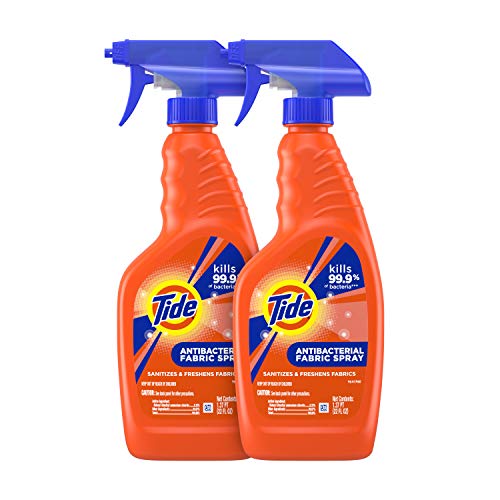
- Fabric odor eliminator spray for headboards
- Upholstery steam cleaner for fabric furniture
- Handheld carpet and upholstery cleaner machine
- Furniture upholstery cleaning brush with soft bristles
- Clean microfiber cloths or towels
- Water and mild detergent (for spot cleaning, when needed)


Before You Start
Before cleaning, check the headboard label or manufacturer care instructions for any specific cleaning restrictions. Test any cleaner on a hidden area or seam to ensure colorfastness. Work in a well-ventilated room and avoid saturating the fabric to prevent water damage to padding or wooden frames. Allow extra time for drying, especially if the headboard is mounted directly to a wall or behind a solid frame. Avoid using harsh chemicals, bleach, or hot water that can distort fabric fibers.
Estimated time: 45–90 minutes, depending on the size of the headboard and the cleaning method chosen. Plan for a second pass if odors or stains persist after initial cleaning.
Step-By-Step: How To Clean A Fabric Headboard
- Detach or move the bed if possible to gain full access to the headboard and reduce edge staining.
- Use a vacuum with a soft brush to remove loose dust and cobwebs from the fabric surface and crevices.
- Address stains with a fabric upholstery stain remover spray for headboards. Apply per label directions and blot with a clean cloth, working from the outside in to prevent spreading.
- For light odors, spray a fabric odor eliminator spray for headboards from several inches away, allowing the scent to dissipate as it dries.
- If deeper cleaning is needed, use an upholstery steam cleaner for fabric furniture. Follow the device’s instructions and use a low-moisture setting to minimize saturation.
- For stubborn or textured fabrics, use a furniture upholstery cleaning brush with soft bristles to lift fibers while you clean, avoiding aggressive scrubbing that could distort the nap.
- Rinse lightly with a damp cloth if you used any detergent, then blot to remove excess moisture. Do not overwet the fabric, and avoid direct heat during drying.
- Allow the headboard to air dry completely. Maintain airflow with a fan if needed to speed up drying and prevent mildew growth.
- Reattach or reposition the headboard once dry and inspect edges for any missed spots, repeating targeted cleaning if necessary.
- Finish with a light brush or lint roller to restore texture and remove any remaining dust or fibers.
- For ongoing maintenance, schedule periodic vacuuming and spot-cleaning as soon as stains or odors appear to keep the fabric looking fresh.
- Document any persistent issues and plan for a professional cleaning if staining or odor remains after repeated attempts.
Troubleshooting
| Symptom | Likely Cause | Fix | Prevention |
|---|---|---|---|
| Stains reappearing after cleaning | Ingrained stains or improper removal technique | Re-treat with stain remover and blot from outside in; consider repeating with a steam cleaner on a low-moisture setting | Address stains promptly; test spot before full cleaning |
| Fabric feels stiff after cleaning | Excess cleaning solution or insufficient rinsing | Rinse with a damp cloth and blot dry; avoid overusing cleaners | Use minimal product and ensure complete drying |
| Headboard still smells after odor spray | Odor deeply embedded or fabric nap absorbing scent | Apply odor eliminator again and consider a deeper clean with steam | Ventilate thoroughly during and after cleaning |
| Headboard fabric distorted or faded | Excess moisture or harsh scrubbing | Let it dry completely; use gentle brushes for nap restoration | Test cleaners first and use gentler methods |
Common Mistakes
- Over-wetting the fabric, which can lead to mold and padding damage
- Using abrasive brushes or harsh chemicals on delicate fabrics
- Skipping a spot test on a hidden area before full cleaning
- Ignoring manufacturer care labels, risking fabric warranty issues
Careful technique reduces risk and extends the life of the fabric headboard.
Tips For Best Results
- Work from top to bottom to avoid re-soiling freshly cleaned areas.
- Use a microfiber cloth for blotting to lift moisture effectively.
- Keep a consistent, low-moisture approach when using steam or cleaners to preserve nap texture.
- Schedule routine maintenance: light vacuuming weekly and a deeper clean every 6–12 months, depending on usage and environment.
- Store and label cleaning products to prevent cross-contamination or accidental use on other surfaces.
Call A Professional
When to consider a pro: persistent stains, significant odors, or water damage that leaves a damp smell or stains after multiple cleanings. If the fabric is delicate, has rips or loose seams, or the headboard is heavy and difficult to move safely, seek professional upholstery cleaning services to avoid damage.
FAQ
Can I clean a fabric headboard without removing it from the bed?
Yes, most cleaning methods can be performed in place using a handheld cleaner or spray cleaners; just ensure you protect the mattress with a barrier and work within reach.
Is steam cleaning safe for all fabric headboards?
Steam is effective for many fabrics, but always test a hidden area first and follow manufacturer guidelines to avoid color fading or fiber damage.
How often should I clean my fabric headboard?
Vacuum weekly and perform a deeper cleaning every 6–12 months, or as needed based on stains and odors.
What should I do about odors that won’t go away?
Use a fabric odor eliminator spray and re-clean the area with light steam if allowed by the fabric, ensuring complete drying after treatment.
Are there fabrics I should avoid cleaning with steam?
Some delicate fabrics, vinyl overlays, or headboards with unfinished wood frames may not tolerate steam; consult care labels or manufacturer guidelines.
What if stains return after cleaning?
Repeated spot treatment with a stain remover and a light steam pass usually resolves reappearing stains; consider professional help if staining persists.
Buying Guide
When choosing cleaning solutions and tools for fabric headboards, consider factors that affect effectiveness and safety. Size and padding behind the fabric influence moisture handling, while fabric type dictates suitable cleaners and agitation. Noise levels and energy use become relevant with ongoing maintenance routines, especially if using a steam cleaner with a motor. Controls should be simple and intuitive for quick spot cleaning, and storage space matters for keeping tools organized. Placement—whether the headboard sits directly against a wall or is part of a larger upholstered bed—affects drying time and ventilation strategy.
Key buying factors include:
- Size of the cleaning device relative to the headboard surface area
- Noise level and run time for any steam or extraction tools
- Energy efficiency and power settings for extended cleaning sessions
- Controls that are easy to read and operate
- Compatibility with multiple fabrics and stain types
- Storage footprint and portability for moving around the room
- Proveedor availability and customer support for replacement parts and accessories
To compare options, consider how often you clean, the fabric type on the headboard, and whether you prefer a simple spray-based approach or a deeper clean with steam and brushes. A combination kit that includes a soft-bristle brush and a portable upholstery cleaner often delivers the best results for a variety of fabric headboards.