Calfskin leather offers a luxurious, smooth finish that benefits from careful care. This guide provides a practical, step-by-step approach to cleaning calfskin without harming its natural finish, along with product-focused tips to help American households maintain value and appearance.
Proper cleaning extends the life of calfskin and preserves its soft texture. By following structured steps and using the right tools, owners can remove dirt, oils, and minor stains while keeping the leather supple and protected.
Quick Answer
To clean calfskin effectively, start with a light dusting, use a dedicated leather cleaner designed for calfskin, apply with a soft cloth or sponge, condition with a suitable conditioner, and finish with a gentle buff. Always test on a hidden area first and avoid soaking the material.
What You’ll Need
- Calfskin leather cleaning kit
- Leather cleaner and conditioner kit for calfskin
- Microfiber cloths for leather cleaning
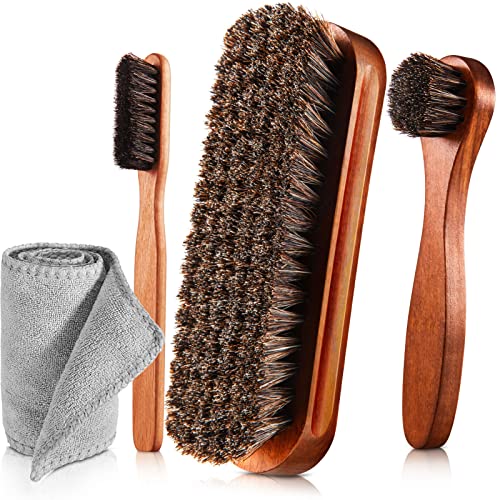
- Delicate leather cleaning brush set
- Sponge and applicator for leather conditioner

Before You Start
Before cleaning, inspect the item for stains, cracks, or worn areas. Work in a well-lit area and avoid direct sunlight or heat sources. Place a soft, clean towel underneath to catch any drips. If the item is heavily soiled or valuable, consider professional cleaning. Do not use household cleaners or abrasive cloths, as these can damage the calfskin finish. Cleaning time typically takes 20–40 minutes, depending on the size and condition.
Step-By-Step: How To Clean Calfskin Leather
- Remove loose dirt with a soft brush or dry microfiber cloth, brushing in the direction of the grain.
- Lightly dampen a microfiber cloth with water or a calfskin-specific cleaner from the kit, then wipe the surface in gentle, even strokes.
- Address stains by applying a small amount of cleaner to a cloth and testing on a hidden area. If the stain persists, repeat with minimal pressure.
- Use a sponge and applicator for leather conditioner to apply a thin, even layer to the entire surface after cleaning.
- Allow the conditioner to absorb for the time specified on the product instructions, then buff with a clean microfiber cloth to restore luster.
- For edges and seams, use the delicate leather cleaning brush set to gently lift dirt without scratching.
- Revisit any stubborn spots with a light pass of cleaner, then recondition if signs of dryness appear.
- Let the leather air-dry completely in a shaded area before use or placement back in its environment.
Troubleshooting
| Symptom | Likely Cause | Fix | Prevention |
|---|---|---|---|
| Sticky grip after cleaning | Over-application of cleaner | Wipe excess with a clean cloth and recondition lightly | Use sparing amounts and follow instructions |
| Color change or uneven tone | Improper drying or cleaners not suited for calfskin | Test first; re-clean with appropriate product | Choose calfskin-specific products |
| Dry, stiff feel after conditioning | Over-conditioning | Buff thoroughly and let it rest, recondition sparingly | Use a light, even application |
| Streaks or residue | Residue from cleaner or conditioner | Remove with a clean microfiber cloth | Wipe in the direction of the grain |
Common Mistakes
- Using household detergents or soap on calfskin
- Over-wetting the surface, which can cause water spots
- Skipping a patch test on hidden areas
- Applying too much conditioner at once
- Rubbing aggressively, which may scratch the finish
Tips For Best Results
- Always test cleaners on a hidden area before full application.
- Use microfiber cloths for leather cleaning to minimize lint and scratches.
- Clean in the direction of the grain to avoid damaging the surface.
- Condition periodically to maintain flexibility and prevent drying out.
- Store calfskin items away from heat sources and sunlight to preserve color and suppleness.
Call A Professional
Seek professional help if the leather shows deep scratches, persistent staining that won’t lift, or if an item holds significant sentimental or monetary value. Stop cleaning and contact a specialist when you notice cracking, color fading, or deformities that affect usability.
FAQ
Can I use any leather cleaner on calfskin?
Use cleaners specifically designed for calfskin or full-grain leather to avoid damage.
How often should I clean calfskin leather?
Light cleaning can be done monthly; deeper cleaning and conditioning every 6–12 months, depending on use and environment.
Is conditioning necessary after every clean?
Yes, conditioning helps maintain suppleness and protects against drying and cracking.
What if there are water stains?
Gently blot with a dry cloth and recondition; test on a hidden area first before attempting more aggressive steps.
Which tools are essential for calfskin care?
A calfskin-specific cleaning kit, microfiber cloths, a delicate brush set, and a sponge applicator are highly recommended.
Should I air-dry leather after cleaning?
Yes, air-dry away from direct heat to evenly restore the finish.
Buying Guide
When choosing calfskin care products, consider size, formulation, and compatibility with calfskin’s delicate finish. Look for calfskin leather cleaning kit components that include a cleanser and conditioner designed for sensitive hides, as well as a microfiber cloth set for safe application. Noise-free or minimal fragrance in the kit can be preferable in homes with sensitive occupants. The right tools, such as a delicate leather cleaning brush set and a soft sponge applicator, help achieve even coverage without scuffs. Evaluate how easily the kit integrates into existing care routines, and ensure compatibility with the leather’s finish for long-term protection. Always follow product instructions and perform a patch test before full use.
Size matters: pick a kit that matches the item’s scale—small leather accessories versus larger goods require different coverage. Consider storage and shelf life; some cleaners perform best within a specific timeframe after opening. For frequent users, a dual-action kit that cleans and conditions in one pass can save time, while still delivering safe, effective care. Finally, assess user reviews and brand reputation to gauge real-world performance with calfskin.