Sticky handrails can be both a cleaning challenge and a potential source of grime transfer. Proper cleaning restores smoothness and preserves the wood finish without leaving residue. This guide outlines practical, step-by-step methods to remove sticky buildup from wooden handrails safely and effectively.
Quick Answer
Start with a gentle approach: wipe with a microfiber cloth and mild cleaner, then progress to a solvent or heat method only if needed. Always test on a hidden area first and dry thoroughly after cleaning.
What You’ll Need
- wood handrail cleaning kit microfiber cloths
- plastic scraper tool for sticky residue on wood
- mineral spirits cloth wipe wood furniture cleaner
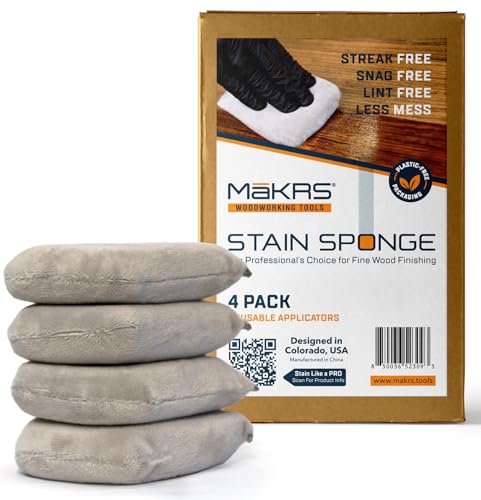
- stain remover for wood with applicator pad
- handheld steam cleaner for wooden surfaces


Before You Start
Prepare a clean, dry workspace and ensure good ventilation. If the handrail is finished with varnish or polyurethane, avoid aggressive solvents that may dull the finish. Test any product on a small inconspicuous spot first to check for color bleed or finish damage. Time estimates range from 20 minutes for light cleaning to 60 minutes for stubborn stickiness, depending on the surface and sealant.
Step-By-Step: How To Clean Sticky Wooden Handrails
- Dust the surface with a microfiber cloth to remove loose debris and oils.
- Apply a small amount of mild wood cleaner or mineral spirits to a clean cloth and wipe in the direction of the grain.
- Gently scrape any sticky residue with a plastic scraper tool for sticky residue on wood, keeping the blade at a shallow angle to avoid gouging.
- Rewipe with a fresh cloth to lift dissolved residue, changing cloths as they become saturated.
- If stickiness persists, apply a stain remover for wood with applicator pad to targeted spots and buff lightly.
- For deeply ingrained grime, use a handheld steam cleaner for wooden surfaces at a low, controlled setting, maintaining a slight distance from the finish.
- Dry the rail completely with a dry microfiber cloth to prevent moisture damage.
- Optional: apply a wood conditioner or finish-safe sealant if the surface appears dull after cleaning.
- Inspect the handrail for remaining sticky areas and repeat steps as needed, focusing on high-use zones.
- Clean adjacent walls and surrounding edges to prevent transfer of cleaner residues to other surfaces.
- Store tools properly and allow the area to air-dry fully before regular use.
Troubleshooting
| Symptom | Likely Cause | Fix | Prevention |
|---|---|---|---|
| Residue remains after cleaning | Finish damage or incompatible cleaner | Switch to a milder cleaner or use a microfiber cloth with mineral spirits lightly | Test cleaner first; use the least aggressive method |
| Finish dulls or streaks appear | Over-wetting or abrasive scraping | Dry thoroughly; buff with a clean cloth | Use soft cloths and minimal moisture |
| New stickiness after use | Soap residue or oil from hands | Wipe with a damp cloth, then dry completely | Wipe frequently with microfiber during daily use |
| Color transfer on cloth | Finish compromised | Stop; reassess method on hidden area | Work in small sections with proper cleaners |
Common Mistakes
- Using heavy solvents on unfinished or delicate finishes
- Applying too much liquid, which can seep into seams
- Rushing cleanup on high-traffic rails, causing uneven results
- Neglecting to dry thoroughly, leading to moisture damage
Tips For Best Results
- Always start with the gentlest method: microfiber cloth and a mild cleaner.
- Test any solvent on a hidden area to avoid finish damage.
- Work with the grain to minimize surface scratching.
- Use high-quality microfiber cloths for better residue pickup and less lint.
- Keep a dedicated cleaning kit for wood handrails to avoid cross-contamination with other surfaces.
Call A Professional
Consider a pro if:
- The finish appears damaged, peeled, or stained beyond routine cleaning.
- There are structural concerns or loose handrail components.
- Extensive stickiness persists after multiple cleaning attempts.
FAQ
What is the safest way to clean sticky wooden handrails?
Start with microfiber cloths and a mild wood cleaner, progressing to solvents or heat only if needed and after spot testing.
Can I use a steam cleaner on wood handrails?
Yes, but use a low setting and keep the nozzle at a safe distance to prevent moisture damage.
Will mineral spirits harm painted or stained rails?
It can affect some finishes; test first and use sparingly on stained or sealed surfaces.
How often should wooden handrails be cleaned to prevent stickiness?
Regular light cleaning every few weeks helps, with a deeper clean every 1–3 months depending on usage.
Buying Guide
When selecting cleaning supplies for wooden handrails, consider the following factors to ensure safe and effective results:
- Size and scope: Choose cleaners and tools that fit the rail length and reach without heavy lifting.
- Noise level: If using steam or power tools, opt for quieter devices to avoid disturbing occupants.
- Energy efficiency: Not applicable to manual cleaners; for steam devices, look for energy-efficient options.
- Controls: Simple, easy-to-use controls reduce the chance of accidental use of too much cleaner or heat.
- Placement: Store cleaning kits in a dedicated cabinet near the cleaning area for quick access.
For a balanced approach, combine the provided tools with a gentle routine, focusing first on residue removal and finish preservation. If stickiness recurs in stubborn spots, consider professional refinishing to restore the handrail’s appearance and safety. Would you like help selecting a compatible cleaning kit for your specific handrail finish?