Facial hair management is a common concern for many individuals seeking a smooth, confident look. The right tools and techniques can minimize irritation and deliver salon-like results at home. This guide covers practical options for different skin types and preferences, from gentle dermaplaning to precise safety razor use.
Quick Answer
For a simple, low-irritation routine, start with a dermaplaning razor kit for facial hair or a facial hair remover device for peach fuzz. If you have sensitive skin, an electric facial hair epilator designed for sensitive skin can reduce regrowth over time. For precise shaping, a safety razor kit for facial shaving women paired with a stainless steel facial hair trimmer provides control and comfort.
What You’ll Need
- facial hair trimmer for women stainless steel
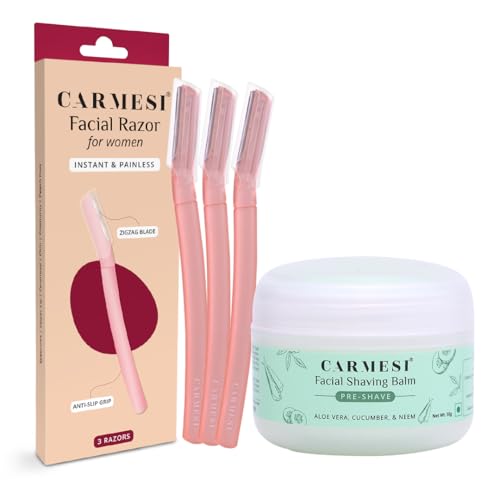
- dermaplaning razor kit for facial hair
- electric facial hair epilator for sensitive skin
- facial hair remover device for peach fuzz
- safety razor kit for facial shaving women


Before You Start
Assess your skin type and any conditions such as active acne, eczema, or rosacea. Always perform a patch test on a small area to check for irritation. Prepare a clean, dry or lightly damp surface, and apply a gentle, non-irritating moisturizer after use. Avoid aggressive pulling or shaving over broken skin, which can cause redness or infection. Plan for a relaxed session and allow yourself time to soothe the skin afterward.
Step-By-Step: How To Choose And Use Facial Hair Removal Tools
- Choose your method based on skin sensitivity and maintenance goals: gentle derma tools for peach fuzz, or a more durable electric option for longer-term reduction.
- Prep the skin with a light cleanse to remove oils and debris that can dull blades or irritate the skin.
- For dermaplaning or razor-based methods, hold the skin taut and angle the blade at roughly 45 degrees, gliding with short, smooth strokes.
- When using an electric epilator for sensitive skin, follow the device’s guidelines, usually moving in the direction of hair growth in small, deliberate motions.
- For facial hair remover devices designed for peach fuzz, use slow, circular or vertical motions as directed by the product instructions.
- Post-treatment, rinse with cool water, pat dry, and apply a fragrance-free moisturizer or soothing serum to calm any redness.
- Schedule routine sessions based on hair growth rate; most methods last from several days to a couple of weeks.
- Keep blades clean and replace dull components promptly to prevent nicks and irritation.
- Store tools in a dry, clean area to prevent bacteria buildup and maintain blade integrity.
- Track your skin’s response and adjust frequency or method if you notice persistent irritation.
- Combine with sun protection if you plan to be outdoors after treatment, as treated skin can be more sensitive to sunlight.
- When in doubt, consult product manuals or a skincare professional for personalized guidance.
Troubleshooting
| Symptom | Likely Cause | Fix | Prevention |
|---|---|---|---|
| Redness that lasts >24 hours | Irritation from blade or aggressive technique | Switch to a gentler method, apply soothing product | Patented moisturizers, patch testing |
| Razor burn or itching | Dry skin or dull blade | Moisturize before and after, replace blade | Hydrate skin, use fresh blades |
| Stubble or uneven regrowth | Inconsistent technique or improper direction | Slow, uniform strokes; follow hair growth pattern | Follow device-specific usage guides |
| Cuts or nicks | Angle too shallow or pressure too high | Light touch, steady hand, use safety features | Practice on a small area first |
Common Mistakes
- Using dull blades or tools past their recommended lifespan
- Shaving over irritated or broken skin
- Skipping a patch test before trying new tools
- Not following the hair growth direction with electrical devices
- Over-cleansing or over-moisturizing before treatment, which can affect blade performance
Tips For Best Results
- Match tools to skin type: sensitive skin benefits from slower, gentler devices and high-quality blades
- Always sanitize tools before and after use to prevent bacteria transfer
- Use a dedicated mirror with good lighting to improve precision
- Consider combining with a gentle exfoliation routine to minimize visible peach fuzz over time
- Keep a skincare routine that supports barrier repair post-treatment
Call A Professional
Seek professional advice if you experience persistent redness, swelling, or painful nicks. If you have scar-prone skin, active infections, or chronic skin conditions, a dermatologist or licensed esthetician can recommend suitable methods and safety practices tailored to your needs.
FAQ
What is the safest option for facial hair removal on sensitive skin?
Electric facial hair epilators designed for sensitive skin or a high-quality facial hair remover device for peach fuzz are typically gentler options when used correctly.
How often can I safely use these tools?
Frequency depends on method and hair growth; follow product guidelines and adjust based on skin response.
Can I use these methods under makeup?
It’s best to wait until after skincare and before makeup to avoid irritation; some tools may be used with a light primer if instructed.
Will hair regrow thicker after epilation?
Most users experience similar or finer regrowth; results vary by individual and technique.
Are there tools especially for women’s facial shaving?
Yes, several tools are designed with women’s facial contours in mind, including safety razor kits and stainless steel trimmers.
Is dermaplaning safe at home?
When performed with a proper kit and proper technique, it can be safe; use caution and follow instructions.
Buying Guide
Choosing the right facial hair removal approach depends on several factors. Consider size and portability if you travel often, noise level for at-home use, energy efficiency for battery-powered devices, and the control offered by the tool. Look at placement flexibility—some devices work well on cheeks, upper lip, and chin, while razors and dermaplaning kits require smooth, flat surfaces. Evaluate maintenance needs, blade replacement frequency, and cleaning ease. For best results, match the tool to your skin sensitivity, hair type, and grooming goals. Do you prefer a quick, one-step solution or a longer-term approach with periodic epilation?