Burnt beans can leave a stubborn, lingering odor that clings to fabrics, carpets, and surfaces. This guide explains practical, no-fuss steps Americans can take to neutralize the scent quickly and keep your home smelling fresh. By combining odor absorbers, targeted cleaners, and simple preventative habits, you can restore a neutral indoor aroma without harsh perfumes.
Quick Answer
Act quickly to ventilate the space, then deploy a layered approach: use a powerful odor absorber, targeted sprays, and a neutralizing gel. For persistent smells, repeat with natural options like baking soda and enzymatic cleaners. Consistency is key to fully removing the burnt scent from fabrics and air.
What You’ll Need
- Activated charcoal odor absorber bag 200g kitchen odor eliminator
- Smoke smell remover spray for kitchen stove
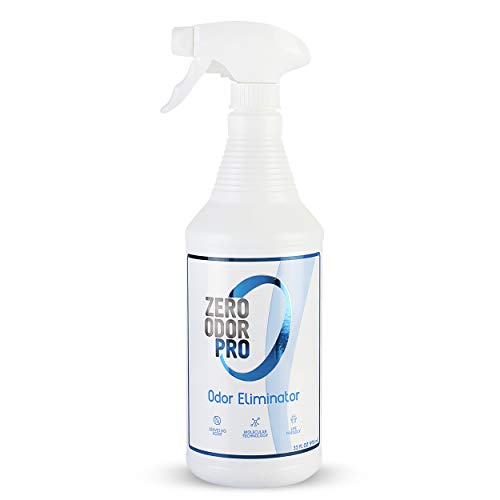
- Enzymatic odor neutralizer spray kitchen
- Baking soda powder odor remover for home
- Odor neutralizing gel for home burnt smell


Before You Start
Open windows and doors to establish cross-ventilation. Run a ceiling fan or portable fan to move air toward exhaust vents. Clear and launder fabrics that absorbed the smell, such as curtains, cushions, and clothing. Avoid spreading the odor by rubbing surfaces or using strong perfumes that mask the scent. Time estimates vary: most first-pass deodorizing takes 30–90 minutes, with odor reduction continuing over the next 24–48 hours as scents dissipate.
Step-By-Step: How To Neutralize A Burnt Beans Smell
- Ventilate the space by opening multiple windows and turning on exhaust fans to create airflow through the area.
- Place an activated charcoal odor absorber bag 200g kitchen odor eliminator near the source of the odor and in adjacent rooms to capture volatile compounds.
- Spray the affected surfaces with a smoke smell remover spray for kitchen stove, focusing on nearby counters and cabinets.
- Treat fabrics and soft furnishings with an enzymatic odor neutralizer spray kitchen to break down organic residues that trap odors.
- Dust and wipe hard surfaces with a mild cleaner to remove burnt residue and prevent odor recirculation.
- Apply a thin layer of baking soda powder odor remover for home to carpets, rugs, and upholstery, leaving it for several hours before vacuuming.
- Re-spray with the enzymatic neutralizer if needed and reapply baking soda after vacuuming for ongoing deodorizing.
- Replace or refresh the odor neutralizing gel for home burnt smell in common rooms to maintain a constant scent-neutral zone.
- Run your HVAC or air purifier with a HEPA filter to capture fine particles and improve indoor air quality.
- WASH or launder fabrics that can trap odors, including drapes, blankets, and cushion covers, following fabric care labels.
- Dispose of spent baking soda and replace with fresh powder after a day if odors persist, repeating the treatment as necessary.
- Monitor for lingering hints of burnt aroma over the next 48 hours and repeat targeted treatments if needed.
Troubleshooting
| Symptom | Likely Cause | Fix | Prevention |
|---|---|---|---|
| Odor returns after initial treatment | Residual odor compounds in fabrics | Deep-clean fabrics or use enzymatic spray and baking soda again | Ventilate during cooking and use an odor absorber daily after meals |
| Strong chemical scent lingers | Overuse of cleaners or masking scents | Switch to neutral odor absorbers and reduce fragrance products | Avoid mixing multiple strong cleaners |
| Poor air flow | Blocked vents or closed doors | Reopen vents, reposition fans, remove obstructions | Keep outlets clear and maintain cross-ventilation |
| Carpets still smell after treatments | Deep odor trapped in fibers | Professional carpet cleaning or steam cleaning | Regular carpet deodorizers and prompt cleanup of cooking fumes |
Common Mistakes
- Relying on air fresheners alone; they mask odors rather than remove them.
- Using too much fragrance, which can irritate nasal passages and trigger allergies.
- Neglecting to treat fabrics and hidden surfaces where odors settle.
- Failing to ventilate adequately during and after cleanup.
By focusing on odor elimination rather than masking, the space returns to a neutral scent faster and more reliably.
Tips For Best Results
- Place multiple odor absorbers in different rooms for broad coverage.
- Act quickly after burning to minimize odor penetration into textiles.
- Combine enzymatic cleaners with baking soda for layered odor control.
- Regularly clean ventilation openings and replace air filters to maintain air quality.
Call A Professional
Call a professional if the burnt smell persists after 48 hours, if there are signs of smoke damage to walls or ceilings, or if you notice lingering irritation in the home. Seek help immediately for extensive fire or smoke exposure or if the odor affects occupants with health sensitivities.
FAQ
What causes burnt beans smell to linger?
Volatile compounds from burnt beans adhere to fabrics, carpets, and surfaces, making odors persistent without proper cleaning.
Can baking soda alone remove burnt odors?
Baking soda helps absorb odors but works best when combined with absorbers and enzymatic cleaners for thorough neutralization.
Is an enzymatic spray safe for kitchens?
Yes, enzymatic sprays are designed to break down organic residues and are generally safe for kitchen surfaces when used as directed.
How often should I deodorize after burning food?
Deodorize after the incident and monitor for residual smells over the next 24–72 hours, repeating treatments as needed.
Do air purifiers help remove kitchen odors?
Yes, especially models with activated carbon filters and HEPA purification, which capture odors and particles.
Should I replace fabrics after a serious incident?
If fabrics remain heavily scented after multiple cleaning attempts, replacing textiles that hold odors may be necessary for a fresh result.
Buying Guide
When selecting products to prevent and treat burnt-beans odors, consider size, effectiveness, and placement.
Key buying factors include:
- Size and coverage: Choose compact odor absorbers for small rooms and larger units for open areas.
- Noise level: For appliances like air purifiers, consider models with quiet operation for bedrooms and living rooms.
- Energy efficiency: Look for energy-efficient options that run continuously without high energy use.
- Controls: Flexible settings, timer options, and easy refills matter for convenience.
- Placement: Place absorbers near cooking areas, entryways, and fabrics prone to absorbing odors.
Comparing options like activating charcoal bags, enzymatic sprays, baking soda powders, and gels helps tailor a deodorizing plan to a home’s layout and odor intensity. Consider a multi-pronged approach for best results, using absorbers, enzymatic treatments, and gels in tandem. If odors linger after initial attempts, adding a robust air purifier or seeking professional evaluation may be warranted.