Water spots on car windows can obscure visibility and dull the vehicle’s appearance. This guide explains practical, safe methods using common automotive glass products. It focuses on careful cleaning, polishing, and prevention to maintain clear, streak-free glass across diverse driving conditions.
Quick Answer
For light mineral deposits, start with a dedicated water spot remover for automotive glass and microfiber cloths to gently buff the spots. If spots persist, use cerium oxide glass polishing compound with a soft cloth or polishing pad, then seal with a professional car glass cleaner. For deep staining, consider a complete glass polishing kit and repeat the process as needed.
What You’ll Need
- Car glass water spot remover kit
- Cerium oxide glass polishing compound for car
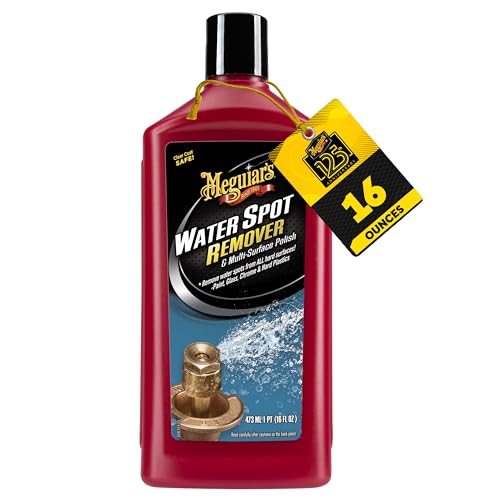
- Water spot remover for automotive glass
- Glass polishing kit for cars with microfiber cloth
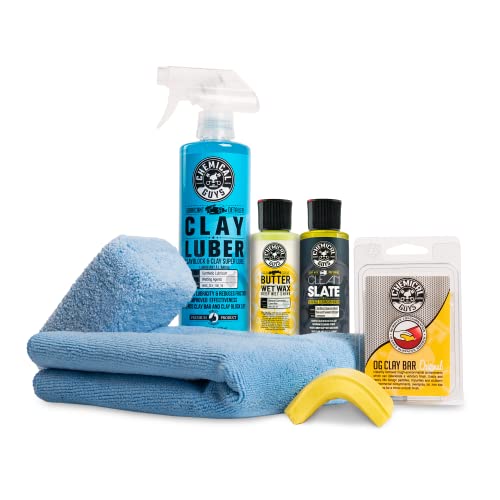
- Professional car glass cleaner and clay kit

Before You Start
Assess the severity of spotting and choose the appropriate product. For sensitive coatings or aftermarket tints, test a small, inconspicuous area first. Work in a shaded area to prevent premature drying. Use protective gloves, and avoid aggressive scrubbing that can scratch glass. Typical results appear after 15–30 minutes of careful application and buffing, but deeper stains may require repeat sessions.
Important cautions: Do not mix products unless the manufacturer explicitly permits it. Avoid abrasive tools on tempered glass edges. If a crack or chip is present, stop and seek professional help to prevent safety risks.
Step-By-Step: How To Remove Water Spots From Car Windows
- Prepare the workspace and materials. Lay down a soft towel to protect the glass edges and gather all required items.
- Clean the surface with a dedicated professional car glass cleaner to remove loose grime and loose mineral particles.
- Apply a water spot remover for automotive glass or a car glass water spot remover kit according to label directions. Let it sit briefly if instructed, then buff with a microfiber cloth in a circular motion.
- If spots persist, apply cerium oxide glass polishing compound for car to the area. Use a clean, soft polishing pad or microfiber cloth and work in small sections with light to moderate pressure.
- Rinse the treated area with water and dry with a fresh microfiber cloth. Inspect for remaining deposits or haze.
- For stubborn spots, repeat polishing in small sections, ensuring the surface remains cool and damp. Avoid over-polishing which can abrade the glass surface.
- Finish with a glass protectant or follow with a dedicated glass cleaner to remove any polishing residue and to enhance future water beading.
- Maintain by periodically reapplying the cleaner and polishing as needed, especially after hard water exposure or rain-heavy conditions.
- If you choose a clay kit for glass, use the clay bar per the kit’s instructions after cleaning to remove embedded contaminants before polishing for best results.
- Regularly inspect and repeat the process for hard-water buildup or dispersed mineral films to keep windows clear and transparent.
- Test any product on a hidden patch before full application to ensure compatibility with coatings and refractive clarity.
Troubleshooting
| Symptom | Likely Cause | Fix | Prevention |
|---|---|---|---|
| Cloudy or hazy glass after polishing | Residual polishing compound or improper buffing | Wipe with a clean microfiber and re-buff lightly; re-clean with glass cleaner | Use fresh cloths and follow manufacturer directions precisely |
| Streaks after cleaning | Water spots not fully removed or residue left | Reapply water spot remover and buff with a clean cloth | Dry thoroughly after each step and use distilled water for finishing rinse |
| Scratches or micro-scratches after polishing | Aggressive rubbing or dirty cloth | Switch to a softer cloth and lighter pressure | Keep cloths clean; wash and dry before reusing |
| Spotting recurs quickly after rain | Contaminants on glass surface or insufficient protection | Apply a protective glass treatment and ensure thorough cleaning | Schedule periodic maintenance, avoid mineral-rich water exposure |
Common Mistakes
- Using household cleaners not designed for automotive glass, which can etch or haze the surface
- Over-polishing the same area, creating micro-scratches
- Skipping a rinse step, leaving polishing residues that attract new spots
- Working in direct sunlight or on hot glass, which speeds drying and reduces effectiveness
Tips For Best Results
- Work in cool, shaded conditions and keep the glass surface moist during polishing to prevent friction heat
- Use multiple pass light pressure rather than a single hard pass to minimize surface damage
- Pair polishing with a quality glass cleaner and a protective coating for easier future maintenance
- Store products in a cool, dry place and replace cloths regularly to avoid transferring grit
Call A Professional
Seek professional help if water spots cover a large area, the glass is etched, or the vehicle has specialized coatings (e.g., aftermarket tint or hydrophobic layers). Immediate professional intervention is advisable for chipped or cracked glass, structural concerns, or if you are unsure about product compatibility with your glass type.
FAQ
Can water spots be removed without polishing?
Yes, light mineral deposits can often be removed with a dedicated water spot remover and a microfiber cloth, followed by a thorough rinse and dry.
Are cerium oxide compounds safe for all car windows?
Cerium oxide is generally safe when used as directed on clean, non-coated glass. Test first on a small area and avoid painted edges or decorative trims.
How often should I treat water spots on car windows?
Frequency depends on exposure. In hard-water regions or frequent exposure to rain, inspect monthly and treat when deposits appear.
Is it necessary to use a clay kit for water spots?
A clay kit helps remove embedded contaminants and can improve the effectiveness of polishing by providing a smooth surface.
Will polishing affect the tint or coatings on car windows?
When used properly, polishing products should not affect tint films or coatings. Always follow product instructions and test first.
Buying Guide
Choosing the right products for removing water spots involves considering the size of the area, coating types, and future maintenance needs. Look for a kit that includes a dedicated water spot remover and a microfiber cloth set for safe application. If spots are stubborn, cerium oxide compounds offer a targeted polishing option, but ensure they are compatible with your glass type. For convenience, a complete glass polishing kit paired with a clay kit can address contaminants that hinder spot removal. Consider a long-lasting glass cleaner to help maintain clarity between treatments.
Key buying factors include:
- Size and scope: Are you treating a single car window or multiple surfaces?
- Noise level: Not typically a concern for home use, but consider comfort if you work in a garage with others nearby.
- Energy efficiency: Not applicable to cleaning products, but choose water-based formulas that are easier on you and the environment.
- Controls: Look for clear instructions and user-friendly application methods, especially for cerium oxide and clay kits.
- Placement: Store in a cool, dry area away from direct sunlight to preserve the formula’s effectiveness.
Multiple comparison perspectives help ensure accuracy: product compatibility with glass types, effectiveness on mineral deposits, ease of use, and maintenance requirements. When in doubt, start with a lighter approach and escalate only if needed. This approach helps American drivers keep windows clear, improving visibility and overall vehicle appearance.