Eisenglass, a clear vinyl material used in awnings, windows, and boat enclosures, can remain crystal clear with proper care. This guide walks American users through safe cleaning methods, selecting the right products, and avoiding common pitfalls that can cause streaks, hazing, or scratches. Following these steps helps preserve the material’s clarity and extend its life.
Quick Answer
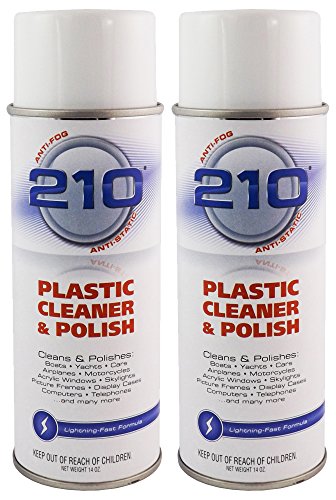
For most eisenglass, use a dedicated vinyl window cleaner spray or a mild soap solution, applied with a microfiber cloth or soft brush. Rinse gently, dry with a smooth cloth or vinyl squeegee, and finish with a plastic polish if desired for extra clarity. Avoid ammonia-based cleaners and high-abrasion tools.
What You’ll Need
- Eisenglass cleaner spray vinyl window cleaner
- Microfiber cloth for eisenglass cleaning
- Soft brush for vinyl window cleaning eisenglass
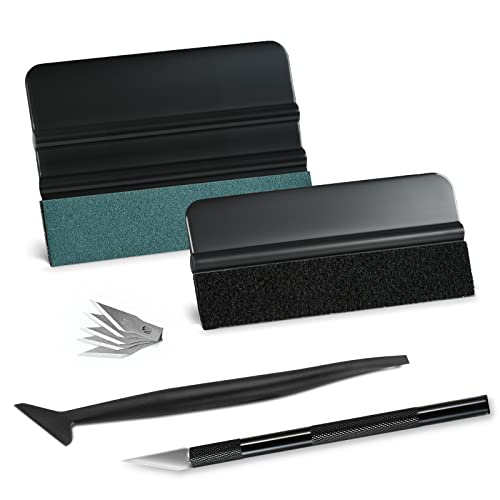
- Vinyl window squeegee for eisenglass
- Plastic polish for clear vinyl eisenglass

Before You Start
Prepare a clean, shady workspace to prevent rapid drying and streaks. Inspect the eisenglass for tears, rust, or damaged seals. If the material has deep scratches or cracks, consider professional repair or replacement rather than aggressive cleaning. Always test any cleaner on a small, inconspicuous area first to confirm there is no discoloration or hazing. Time estimate: 20–45 minutes per panel, depending on size and degree of grime. Warnings: never use harsh solvents or abrasive pads; avoid ammonia-based products, which can degrade the vinyl over time.
Step-By-Step: How To Clean Eisenglass For Clarity
- Remove loose dust by wiping with a dry microfiber cloth to prevent scratching during cleaning.
- Apply cleaner lightly to a clean microfiber cloth or directly onto eisenglass, following the product’s instructions. Use a circular motion to lift surface grime.
- Gently scrub stubborn spots with a soft brush for vinyl window cleaning eisenglass to dislodge dirt without scratching the surface. Avoid pressing hard.
- Rinse or wipe away residue with a damp microfiber cloth, ensuring all cleaner is removed to prevent streaking.
- Dry with care using a clean, dry microfiber cloth or a vinyl window squeegee for eisenglass to remove standing water and minimize water marks.
- Inspect for streaks and repeat the cleaning steps on any areas that remain hazy or dirty.
- Polish optional If desired, apply a small amount of plastic polish for clear vinyl eisenglass with a fresh microfiber cloth to enhance clarity and provide a protective layer. Buff until dry.
- Finish with a protective wipe Lightly buff the surface to a shine and ensure all edges are free of cleaner residue.
- Clean adjacent hardware wipe tracks, seals, and frames to prevent transfer of dirt back onto the eisenglass.
- Assess after drying check from multiple angles and lighting to confirm even clarity and absence of smudges.
- Store cleaning supplies properly seal cleaners and cloths to maintain their effectiveness for next time.
Troubleshooting
| Symptom | Likely Cause | Fix | Prevention |
|---|---|---|---|
| Streaks after cleaning | Residue left on surface | Wipe with a fresh microfiber cloth dampened with plain water, then dry | Use minimal cleaner; avoid over-wetting |
| Cloudy hazing | Old or degraded eisenglass | Consider professional assessment or panel replacement | Regular, gentle cleaning and protective polishing |
| Scratches visible | Coarse abrasive tools | Stop using abrasive pads; switch to soft brushes | Test cleaners on inconspicuous areas first |
| Stiff or tight panels | Sticky residue on seals | Clean seals with mild soap and water, then lubricate edges if needed | Keep edges dry during cleaning |
Common Mistakes
- Using ammonia-based cleaners, which can cause hazing over time.
- Applying cleaners directly and heavily to eisenglass instead of to a cloth first.
- Rubbing with rough brushes or cloths that scratch the surface.
- Neglecting to dry the surface promptly, leading to water spots.
Tips For Best Results
- Clean eisenglass in cool, shaded conditions to prevent rapid drying and streaks.
- Work in small sections to maintain control over the cleaning process.
- Use a dedicated microfiber cloth for eisenglass to avoid transferring residues from other surfaces.
- When polishing, apply a thin, even layer and buff thoroughly for a clear finish.
- Regular maintenance, not deep cleaning, extends clarity and life of the vinyl.
Call A Professional
Seek professional help if eisenglass shows deep scratches, tearing, clouding that won’t improve with cleaning, or if the panel is structurally compromised. Signs to contact a pro include persistent hazing, moisture failure, or seals that leak air or moisture. If the material is part of a boat, marine-specific experts can advise on corrosion prevention and UV protection strategies.
FAQ
Can I use kitchen soap to clean eisenglass?
Plain mild dish soap with water is acceptable for light cleaning, but a dedicated vinyl window cleaner often yields better results and safer protection.
Is ammonia safe for eisenglass?
No. Ammonia-based cleaners can cause hazing and long-term damage to clear vinyl.
How often should eisenglass be cleaned?
Clean when it shows dirt, grime, or spots. Regular light cleaning is better than heavy, infrequent deep cleans.
Will polishing improve clarity?
Yes, a small amount of plastic polish can enhance clarity, but use sparingly and follow product directions to avoid buildup.
What tools are essential for maintenance?
A microfiber cloth, a soft brush, a vinyl window squeegee, and a vinyl-safe cleaner are the core toolkit for routine care.
Buying Guide
The Buying Guide helps compare key factors when selecting eisenglass care products and accessories. Consider size and panel area to determine how much cleaner and cloth you’ll need. Noise level concerns are minimal for manual cleaning, but choose quiet, smooth-sway squeegees for comfortable operation. Energy efficiency is not a primary concern for cleaning products, yet efficient containers that dispense evenly reduce waste. Look for clear labeling on cleaners to ensure vinyl compatibility, and choose a vinyl window cleaner or eisenglass cleaner spray that is specifically designed for clear vinyl. Controls should be simple: spray bottle or ready-to-use wipes, a microfiber cloth, and a soft brush. Placement considerations are practical—keep cleaning supplies within easy reach near storage areas or maintenance kits. When comparing products, prioritize gentle, non-abrasive formulas, a soft-bristle brush option, and a compatible plastic polish for aftercare. For best results, pair a dedicated eisenglass cleaner with a microfiber cloth and a vinyl squeegee to achieve streak-free visibility. If in doubt, consult product labels or customer reviews focused on eisenglass or vinyl window care to gauge real-world performance.