Polyvinyl chloride (PVC) is a versatile material used in pipes, siding, panels, and more. Proper cleaning helps maintain appearance and longevity without damaging the surface. This guide outlines safe methods, tools, and tips for common PVC cleaning tasks in a typical American home.
Following best practices ensures PVC remains durable and attractive. The steps below cover general cleaning and audience-relevant applications, including indoor and outdoor surfaces often treated with PVC materials.
Quick Answer
Dust PVC surfaces with a microfiber cloth, then wipe with a mild soap solution using a non-abrasive scrub brush or a soft PVC pipe cleaning brush. Rinse with clean water, dry thoroughly, and repeat for stubborn stains. Avoid harsh solvents that can degrade plastic over time.
What You’ll Need
- PVC pipe cleaning brush nylon bristles
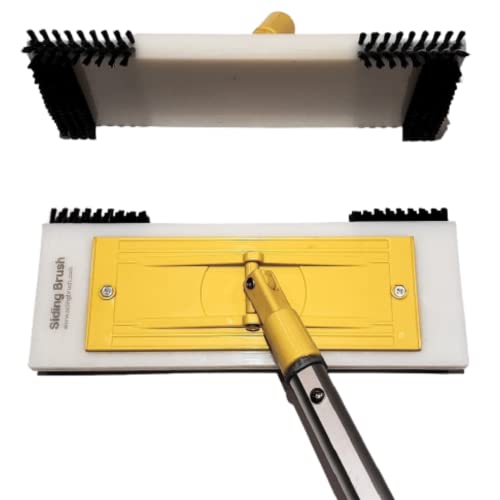
- vinyl siding cleaning brush extendable pole
- microfiber cloths for PVC surface cleaning
- spray bottle cleaner for PVC surfaces
- non-abrasive scrub brush for vinyl PVC panels


Before You Start
Assess the surface type and choose cleaning tools accordingly. Use a mild, non-alkaline soap diluted in water for most PVC jobs. Protect nearby areas from splashes and avoid high-pressure spray that could bend or crack PVC components. Time estimate: 15–45 minutes for typical household jobs. Safety note: wear gloves and eye protection when using cleaning solutions, especially outdoors where debris can become airborne.
Step-By-Step: How To Clean Polyvinyl Chloride Surfaces
- Prepare the cleaning solution: mix a few drops of mild dish soap in warm water in a spray bottle.
- Dust the surface with a microfiber cloth to remove loose dirt and debris.
- Apply the soapy solution to the area using a spray bottle, then let it sit for a minute on tougher stains.
- Gently scrub with a non-abrasive scrub brush or PVC pipe cleaning brush, moving in a uniform direction to avoid scratches.
- Rinse the area thoroughly with clean water; avoid leaving soap residue that can attract more dirt.
- Dry with a clean microfiber cloth to prevent water spots or streaks, especially on vinyl siding or panels.
- For stubborn marks (scuffs, grease, or mineral deposits), repeat the spray-and-scrub process or use a soft brush with a bit more soap.
- Inspect for missed spots and spot-clean as needed. Do not use abrasive pads on any PVC surface.
- Store cleaning tools and unused solution in a cool, dry place to extend their life.
Troubleshooting
| Symptom | Likely Cause | Fix | Prevention |
|---|---|---|---|
| Streaks after cleaning | Soap residue or improper drying | Rinse thoroughly and dry with microfiber cloth | Rinse in sections; wipe dry immediately |
| Scratches appearing | Excessive scrubbing or abrasive tools | Switch to a softer brush and gentler pressure | Use non-abrasive tools only |
| Discoloration on outdoor PVC | Sun exposure or harsh cleaners | Limit sun times for cleaning and avoid solvents | Clean during cooler, shaded periods |
| Stubborn mineral deposits | Hard water buildup | Vinegar solution or dedicated PVC cleaner, gentle scrub | Rinse after treatment and seal with a protective rinse |
Common Mistakes To Avoid
- Using abrasive brushes or steel wool on PVC surfaces
- Applying concentrated solvents or bleach directly to PVC
- Neglecting to rinse soap off completely, leading to residue
- Cleaning in direct sunlight or very hot surfaces, which can warp PVC
- Over-wetting panels that can trap moisture behind edges
Tips For Best Results
- Test cleaners on a small, inconspicuous area first to ensure compatibility.
- For vinyl siding, work from the bottom up to prevent dirty water streaks.
- Use extendable poles for hard-to-reach areas to avoid leaning ladders.
- Keep the spray bottle mist light to prevent oversaturation of joints.
- Rinse with clean water after each cleaning pass to prevent buildup.
Call A Professional
Seek professional help if PVC surfaces show deep cracks, warping, or if extensive staining covers large outdoor areas. Structural PVC elements such as pipes with visible leaks, large cracks, or compromised fittings should be evaluated by a licensed contractor or plumber to prevent ongoing damage and ensure safety.
FAQ
Can I use bleach to clean PVC surfaces?
Bleach is generally not recommended for PVC as it can degrade the material over time; use mild soap and water or dedicated PVC cleaners instead.
Will pressure washing damage vinyl siding?
High-pressure washing can damage seams and edges; use a low-pressure setting and keep the spray at a safe distance.
Are microfiber cloths essential for PVC cleaning?
Microfiber cloths reduce lint and streaks and are highly effective for drying and detailing PVC surfaces.
How often should I clean PVC panels or siding?
Clean the surfaces as needed based on exposure to dirt, pollen, or staining, typically every 3–12 months.
What cleaners are safe for PVC pipes?
Use mild dish soap and water; avoid harsh solvents, petroleum-based products, and abrasive brushes on pipes.
Is there a risk cleaning PVC with vinegar?
Vinegar is generally safe in diluted form for PVC surfaces, but test first and avoid prolonged exposure on colored plastics.
Buying Guide
When choosing tools and cleaners for PVC cleaning, consider size, material compatibility, and ease of use. A good kit combines a PVC pipe cleaning brush nylon bristles or a non-abrasive scrub brush, microfiber cloths, and a spray bottle cleaner for PVC surfaces. For extended reach, a vinyl siding cleaning brush extendable pole helps reduce ladder usage. Look for equipment with soft bristles and non-slip handles for safe operation. Consider the surface you clean most—pipes, siding, or panels—and select items that work well together for a complete solution.
Key buying factors include size, noise level of any powered tools, energy efficiency if using any motorized equipment, controls for adjustable pressure, and placement flexibility. Compare kits by the number of brushes, cloths, and bottles included, and read reviews for real-world performance on PVC materials. For outdoor tasks, choose weather-resistant tools and extendable handles to minimize strain and maximize reach. A balanced set supports frequent cleaning without causing damage to PVC surfaces.