Burner grates on gas stoves accumulate grease, grime, and burnt-on residue from daily cooking. A clean grate improves heat distribution, reduces flare ups, and keeps the stove looking fresh. This step by step guide covers practical methods and tools to restore shine without damaging surfaces.
Quick Answer
Remove grates, loosen dirt with warm soapy water, scrub with a non-scratch scrubber or dedicated brush, rinse, dry, and reassemble. For tough grime use a degreaser gel or a spray cleaner designed for gas stoves, then wipe clean.
What You’ll Need
The following tools and products help you safely clean burner grates and achieve best results:
- Gas stove burner grate cleaner spray
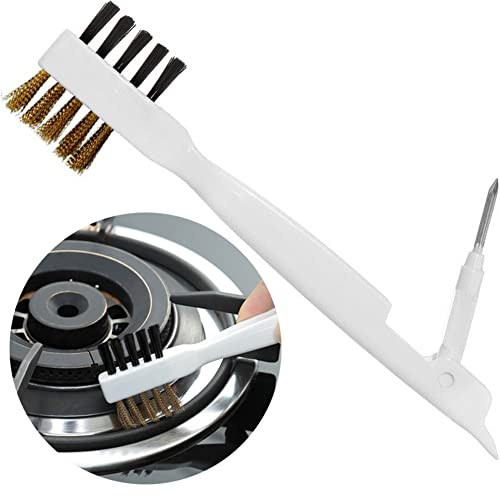
- Cast iron burner grate cleaning brush
- Stove grate scraper and cleaning tool
- Non-scratch nylon scrubber for gas stove grates
- Stovetop burner grate degreaser gel spray

Before You Start
Safety first: ensure the stove is completely cool before handling any parts. Disconnect any power if your model has electronic ignition. Soak time is usually 15 to 30 minutes for the grates, longer for heavy buildup. Wear gloves to protect skin and avoid abrasive actions on delicate finishes. If any grate shows cracks or severe rust, consider replacement rather than pressure cleaning.
Step-By-Step: How To Clean Burner Grates
- Remove all grates from the cooktop and place them on a protected surface.
- Brush loose debris with a dry brush to prevent scratching during soaking.
- Prepare a warm soap bath or apply a stove grate degreaser gel spray for tough grime.
- Soak the grates for 15 to 30 minutes to loosen burnt-on residue.
- Scrub with a non-scratch nylon scrubber or cast iron burner grate cleaning brush to lift grease.
- Rinse thoroughly with warm water, ensuring all cleaner residue is removed.
- Inspect for remaining spots and repeat cleaning on stubborn areas if needed.
- Dry completely with a clean towel to prevent rust on metal surfaces.
- Reassemble grates on the stove once fully dry and test the burners.
- If rust appears, use a specialized rust remover or mild steel wool sparingly, then reseal with a light coat of oil if approved for cast iron.
- For gel based cleaners, wipe with a damp cloth after the initial rinse to remove any sticky residue.
- Store cleaning tools in an accessible spot for quick future maintenance.
Troubleshooting
| Symptom | Likely Cause | Fix | Prevention |
|---|---|---|---|
| Stubborn burnt-on spots remain | Insufficient soaking time | Extend soak time and re scrub | Soak grates after cooking heavy sauces |
| Rust on cast iron grates | Moisture exposure | Thoroughly dry and apply light oil | Dry promptly after cleaning |
| Discoloration after cleaner use | Harsh chemical reaction | Rinse thoroughly and switch to milder product | Test cleaner on small area first |
| Grates feel rough or pitted | Abrasive scrubbing | Switch to non-scratch tools | Use gentle cleaning methods regularly |
Common Mistakes
- Using highly abrasive pads that scratch finish or metal
- Neglecting to dry grates completely before reassembly
- Over soaking sensitive coatings or finishes
- Mixing cleaners that counteract each other or leave sticky residues
Tips For Best Results
- Schedule regular cleanings to prevent heavy buildup, especially after fatty meals.
- Apply degreaser gel evenly and allow time to work before scrubbing.
- Alternate between a brush and a nylon scrubber for efficient but gentle cleaning.
- Always dry with a clean microfiber cloth to avoid water spots and rust.
Call A Professional
Seek professional help if grates are dangerously warped, heavily rusted, or if cleaning requires dismantling parts that void warranties. Stop and contact a technician if you notice bent metal edges that could affect flame stability or safety.
FAQ
Can I clean burner grates in the dishwasher?
Dishwashers may be harsh on metal finishes and can cause rust or damage to cast iron. Check manufacturer guidelines before placing grates in a dishwasher.
What is the best cleaner for gas stove grates?
Look for a degreaser gel spray or a dedicated gas stove cleaner that is safe for metal and cast iron while not leaving residue.
How often should I clean burner grates?
Clean grates monthly for light use or after heavy cooking sessions to prevent buildup and ensure even heat distribution.
Is vinegar safe for cleaning burner grates?
Vinegar can help remove mineral deposits, but it is not a strong degreaser. Pair vinegar with a degreaser for best results and rinse well.
Buying Guide
When choosing cleaning tools and products for burner grates, consider size compatibility with your stove, finish material, and the level of grime you typically encounter. Key buying factors include:
- Size and fit: Ensure grates are compatible with your burner layout and spacing.
- Noise level: Some grill and grate cleaners operate quietly; this may matter in open kitchen layouts.
- Energy efficiency: Not directly affected by cleaning, but clean grates improve burner efficiency and uniform heat.
- Controls: Look for spray bottles or gels that dispense evenly and reduce drips.
- Placement: Store cleaners away from heat sources and in a dry area to maintain product integrity.
Consider a kit that includes a cast iron friendly brush, a non-scratch scrubber, and a degreaser gel spray for complete care. A single, well rounded set helps maintain performance and extends the life of grill components. If you often cook fatty foods, a stronger degreaser is worth prioritizing, but always follow the product instructions for safety and compatibility.