Electric hobs and smooth ceramic surfaces require careful cleaning to maintain a pristine appearance and prevent damage. This guide outlines practical steps, the right tools, and best practices to keep a glass-ceramic cooktop looking like new without scratching or staining.
Quick Answer
Use a dedicated ceramic glass cooktop cleaner, a non-scratch scraper for stubborn spots, and a microfiber cloth to lift residues. Follow with a gentle cleaning cream and a soft sponge or scraper to protect the surface. Regular, light maintenance prevents buildup and keeps heat distribution even.
What You’ll Need
- Ceramic glass cooktop cleaner kit for electric stove
- Non-scratch plastic scraper for ceramic cooktop glass top stove
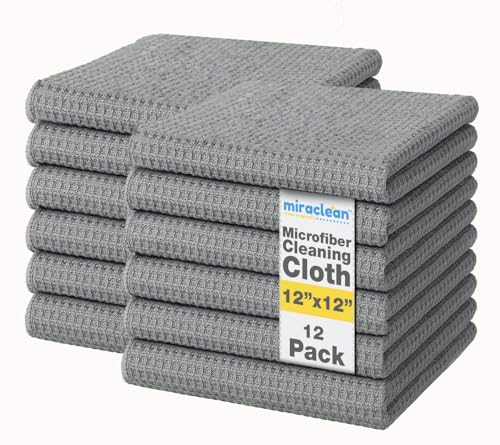
- Microfiber cleaning cloth for glass top stove 12×12 inches
- Cooktop cleaning cream for ceramic glass electric hob
- Stovetop scraper and sponge set for glass ceramic cooktop


Before You Start
Prepare a clean, well-lit workspace with the hob turned off and completely cooled. Wipe away loose crumbs with a dry microfiber cloth before applying any cleaners. Use a small, inconspicuous area first to test for surface reaction. Avoid abrasive rigid pads or harsh chemicals, which can dull the finish or etch the surface. Plan about 20–40 minutes for a thorough session, longer if the hob is heavily soiled.
Step-By-Step: How To Clean An Electric Hob
- Remove any cookware and loose debris from the cooktop, then wipe with a dry microfiber cloth to reveal the affected spots.
- Apply a small amount of cooktop cleaning cream for ceramic glass electric hob to a cool, dry surface. Use a circular motion to spread evenly across the area.
- Use the non-scratch plastic scraper to gently lift dried splatters without applying heavy pressure. Keep the blade at a 45-degree angle to the surface to avoid scratches.
- Let the cleaner sit for 1–2 minutes on stubborn stains, then buff with the microfiber cloth in gentle, circular motions until the surface shines.
- For glossy streaks, wipe with a fresh microfiber cloth dampened with a light water mist. Dry the area with another clean cloth to prevent water marks.
- Repeat on any remaining sections, including the control panel edges if needed. Avoid getting cleaner on seals or exposed electrical components.
- Inspect the surface from different angles to catch any remaining haze. If needed, repeat steps 2–6 for the affected zones.
- After cleaning, wipe down the edges and surrounding countertop to prevent residue transfer. Return cookware and enjoy a spotless cooktop.
- Store cleaners and tools in a drawer or cabinet, keeping them away from heat sources and direct sunlight.
- Establish a routine: a quick daily wipe after cooking and a deeper weekly clean to prevent hardening and discoloration.
- For persistent cloudiness, consider a second application with a specialized cleaner designed for ceramic glass surfaces.
Troubleshooting
| Symptom | Likely Cause | Fix | Prevention |
|---|---|---|---|
| Stains that won’t lift | Baked-on sugar, oil, or mineral deposits | Apply cleaner and let sit longer; use scraper gently | Clean spills promptly; wipe with mild cleaner after cooking |
| Scratch-like marks | Using abrasive tools or improper scraper angle | Switch to a non-scratch scraper; ensure angle is shallow | Use soft cloths and follow manufacturer directions |
| Cloudy or hazy surface | Residue left from cleaner or hard water | Buff with clean microfiber until clear | Rinse with a damp cloth and dry thoroughly |
| Streaks after cleaning | Residual cleaner or water spots | Wipe with a slightly damp cloth, then dry | Wipe in straight lines with a dry microfiber |
Common Mistakes To Avoid
- Using harsh scrubs or steel wool on ceramic glass surfaces.
- Letting spills bake onto the surface before cleaning.
- Wetting the control knobs or vent areas during cleaning.
- Using excessive cleaner, which can leave streaks or haze.
Tips For Best Results
- Coordinate the cleaning schedule with cooking patterns to minimize buildup.
- Always let the hob cool completely before cleaning to avoid thermal shock.
- Use a two-step approach: cleaner cream for tough spots, then a microfiber wipe for shine.
- Store cleaning products away from children and pets, and label containers clearly.
- Keep a dedicated scrubber and cloth combination for the glass top to avoid cross-contamination with other surfaces.
Call A Professional
Consider contacting a professional if the surface shows deep etching, persistent hazing after multiple cleanings, or heat-related damage around control areas. Seek help if you notice cracking or bubbling of the glass, uneven heating indicators, or if cleaning attempts cause discoloration or a change in texture. In these cases, a pro can assess structural integrity and safety needs.
FAQ
Can I use regular kitchen cleaners on a ceramic glass hob?
It is best to use cleaners specifically formulated for ceramic glass surfaces to avoid residues and potential damage.
What should I do if cleaner gets near the control panel?
Wipe it away promptly with a damp cloth and dry thoroughly to prevent seepage into controls.
How often should I clean the hob?
Light daily wipes after use plus a deeper clean weekly help maintain clarity and performance.
Are there any safe alternatives to plastic scrapers?
Non-scratch plastic scrapers or silicone tools are recommended to minimize scratching risks.
Will cleaning damage the glaze on my hob?
Using approved cleaners and proper technique minimizes risk; avoid abrasive tools and aggressive scrubbing.
Buying Guide
When choosing products to maintain an electric hob, consider size, compatibility, and surface finish. For ceramic glass cooktops, select cleaners and tools specifically labeled for ceramic or glass-ceramic surfaces to avoid scratches and hazing. Look for pH-balanced, non-abrasive formulas, and a non-scratch scraper that can remove baked-on residues without scratching the surface. A microfiber cloth of about 12×12 inches provides effective lifting power without lint.
Key buying factors to compare include:
- Size and fit of tools for your hob area and storage space
- Noise and ease of cleaning with scrapers and cloths
- Energy efficiency isn’t directly affected by cleaners, but keeping the surface clean helps even heating and efficient performance
- Controls should remain accessible and free from residue; check that cleaners won’t degrade plastic or rubber
- Placement store away from heat sources and in a ventilated area
For comparison, evaluate sets that include a dedicated cleaner, a non-scratch scraper, a microfiber cloth, and a soft sponge or pad. Consider customer reviews about residue or streaking, and verify compatibility with your specific hob model. If you frequently cook with sauces or sugar-based sauces, a stronger, dedicated cleaner may reduce buildup more efficiently.