Plastic shower walls, including acrylic and PVC panels, offer a durable, easy-to-clean surface. Proper cleaning removes soap scum, mildew, and hard water deposits while preserving the walls’ luster. This guide provides practical steps, safe products, and maintenance tips tailored for American homes.
Quick Answer
Use a non-abrasive cleaner specifically designed for acrylic or PVC surfaces. Apply with a microfiber cloth or soft nylon brush, rinse thoroughly, and dry to prevent water spots. For mildew, spray a dedicated mildew remover and repeat as needed. Avoid abrasive pads and harsh solvents that can dull or scratch plastic surfaces.
What You’ll Need
- Acrylic shower wall cleaner spray non-abrasive
- Plastic shower wall mildew remover spray
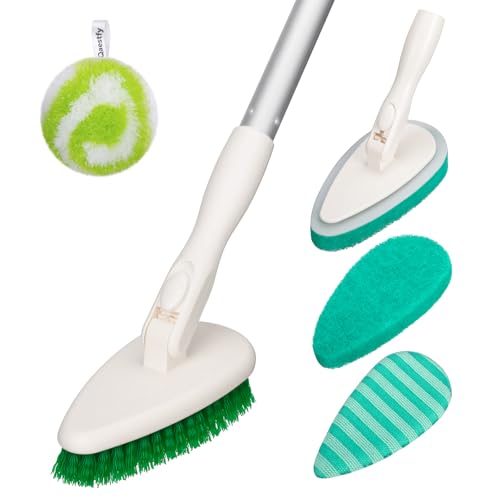
- Non-scratch nylon scrub brush for acrylic shower walls
- Microfiber cloth for cleaning acrylic shower walls
- PVC shower panel cleaning kit


Before You Start
Before cleaning, ensure the bathroom is well ventilated. Protect metal fixtures and grout lines by masking with painter’s tape if needed. Test cleaners on a small inconspicuous area to confirm no discoloration. Time estimate: 20–40 minutes for a typical shower; larger showers may take longer. Avoid ammonia-based or bleach-heavy products on acrylic walls as they can damage the surface or cause fading.
Step-By-Step: How To Clean Plastic Shower Walls
- Remove personal items from the shower and rinse away loose soap scum with warm water.
- Spray acrylic shower wall cleaner spray non-abrasive on all plastic surfaces, focusing on soap scum buildup.
- Let the cleaner sit for 2–5 minutes to penetrate residue, then use a non-scratch nylon scrub brush for acrylic shower walls for stubborn spots.
- For mildew, apply plastic shower wall mildew remover spray to affected areas and follow the product instructions.
- Gently scrub corners and seams where grime tends to accumulate; avoid excessive pressure to protect the surface.
- Rinse thoroughly with warm water, ensuring all cleaning agents are washed away.
- Dry the walls with a microfiber cloth for cleaning acrylic shower walls to prevent water spots and mold regrowth.
- Inspect for remaining deposits; repeat steps on persistent areas if needed.
- For routine maintenance, wipe down after showers and perform a full clean every 1–2 weeks depending on usage.
- Store cleaners securely after use and keep the area well ventilated to dry surfaces quickly.
- Consider a periodic wipe with a light protectant spray designed for plastic surfaces to maintain shine.
- Dispose of single-use wiping materials properly after each cleaning session to minimize residue transfer to other surfaces.
Troubleshooting
| Symptom | Likely Cause | Fix | Prevention |
|---|---|---|---|
| Soap scum remains after cleaning | Insufficient contact time | Reapply cleaner, wait longer, re-scrub | Clean weekly to prevent buildup |
| Fuzzy or dull surface after cleaning | Abrasive pad or harsh chemical | Switch to non-scratch nylon brush and non-abrasive spray | Avoid abrasive tools |
| Visible mildew spots | Moisture retention in corners | Apply mildew remover, improve ventilation | Ventilate and wipe dry after showers |
| Discoloration after using cleaner | Wrong product for material | Switch to products labeled for acrylic/PVC surfaces | Test on hidden area first |
Common Mistakes
- Using abrasive pads or steel wool on plastic walls, which can scratch and dull the surface.
- Mixing cleaners that contain bleach or ammonia with other agents on acrylic surfaces.
- Neglecting to rinse thoroughly, leaving residue that causes streaks or buildup.
- Skipping ventilation, leading to mold growth due to high humidity.
Tips For Best Results
- Adopt a routine: quick wipe-down after each shower significantly reduces long-term buildup.
- Choose dedicated products labeled for acrylic or PVC to protect finishes.
- Use microfiber cloths for lint-free drying and streak-free results.
- Rinse thoroughly and dry; damp surfaces foster mildew growth.
- Keep a small cleaning kit handy inside the bathroom for spot cleaning between deeper cleans.
Call A Professional
If widespread mold is present, if there is persistent staining despite repeated cleaning, or if the panels show warping or peeling, seek professional guidance. Signs of persistent moisture intrusion, soft or bubbling panels, or persistent odor indicate potential underlying issues that require expert assessment and repair.
FAQ
What cleaner is best for acrylic shower walls?
Use a non-abrasive cleaner spray designed for acrylic or PVC surfaces and a soft brush or microfiber cloth for gentle cleaning.
Can I use bleach on plastic shower walls?
Avoid bleach on acrylic; it can cause discoloration and damage over time. If needed, use milder mildew removers as directed.
How often should I clean plastic shower walls?
Perform a quick wipe-down after each use and a deeper clean every 1–2 weeks, depending on usage and water quality.
What should I do about persistent mildew?
Apply a dedicated mildew remover spray, let it sit, then scrub with a non-scratch nylon brush and rinse thoroughly. Improve ventilation to prevent recurrence.
Buying Guide
When choosing products to clean plastic shower walls, consider size, performance, and ease of use. The right kit should include a non-abrasive cleaner, a mildew-removing option, and tools that protect the surface.
- Size and layout: Large showers or multi-panel walls benefit from multi-surface cleaners that work quickly and evenly.
- Noise level and method: Spray cleaners or liquid formulas should be easy to apply; look for low-noise spray bottles or pump sprayers for convenience.
- Energy and environmental factors: Water-efficient rinsing and low-VOC formulas are preferable for indoor air quality.
- Controls and storage: Clear labels, safety instructions, and easy-to-store packaging help maintain routine cleaning.
- Placement: Store cleaners in a dry, ventilated area away from direct sunlight to preserve effectiveness and prevent container degradation.
Several product perspectives exist, such as dedicated PVC shower panel cleaning kits or acrylic-specific spray cleaners. For most homes, a combination of a acrylic shower wall cleaner spray non-abrasive and a plastic shower wall mildew remover spray paired with a non-scratch nylon scrub brush for acrylic shower walls and a microfiber cloth for cleaning acrylic shower walls provides balanced performance and safety. Would you like help choosing a kit that matches your shower size and material?