Dust and debris tend to accumulate behind radiators, reducing efficiency and air quality. This guide offers a clear, practical approach for American homes to safely and effectively clean those hard-to-reach spaces using common tools and household supplies.
Quick Answer
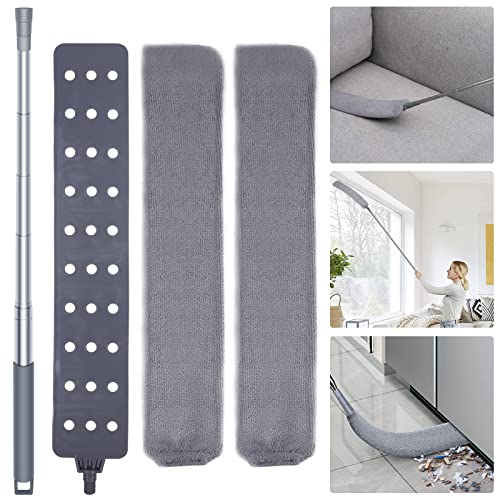
Fast method: Use a retractable microfiber duster or extendable dusting wand with a long handle to reach behind the radiator, followed by a slim vacuum crevice tool for stubborn debris. Finish with a flexible radiator vent cleaning brush to sweep out tight gaps.
What You’ll Need
- Extendable dusting wand radiator cleaning
- Radiator cleaning brush long handle
- Slim vacuum crevice tool radiator behind
- Flexible radiator vent cleaning brush
- Retractable microfiber duster behind radiators


Before You Start
Clear the area around the radiator and ensure the room is well-ventilated. Turn off the heating and let the radiator cool to avoid burns. Protect flooring with a drop cloth or old towels. Keep a damp cloth handy for quick cleanups, and avoid using water directly on hot surfaces. Safety tip: never force tools into tight spaces; work gently to prevent damage to the fins or surrounding wallpaper.
Step-By-Step: How To Clean Behind Radiators
- Stand on a stable surface and position the extendable dusting wand so its head can reach behind the radiator without bending it.
- Gently sweep along the back side of the radiator fins to dislodge dust and hair, using a long, steady motion.
- Switch to the retractable microfiber duster behind radiators to capture floating dust as you work deeper.
- Use the slim vacuum crevice tool radiator behind to suction loose debris from tight gaps and corners.
- Alternate with the flexible radiator vent cleaning brush to reach irregular vents and air slots.
- Wipe down exposed surfaces with a dry or lightly damp cloth to remove any settled grime.
- Inspect for stubborn clumps and repeat the dusting pass in those areas until clear.
- Move the radiator slightly if safe access is blocked by furniture, and recheck behind the unit.
- Dust nearby furniture and baseboards to prevent re-depositing dust onto the radiator area.
- Finish with a quick pass using the extendable wand to ensure all zones behind the radiator are clean.
- Return all tools to their storage and run the heating briefly to test airflow and verify cleanliness.
- Schedule regular cleanings—every 1–3 months depending on indoor dust levels.
Troubleshooting
| Symptom | Likely Cause | Fix | Prevention |
|---|---|---|---|
| Dust reappears quickly | Nearby activities stir up dust | Increase cleaning frequency; use sealed storage for fabrics | Keep windows closed during high-dust days |
| Noisy radiator when cleaning | Loose panels or debris | Check for loose mounting; reattach or tighten as needed | Inspect annually for loose parts |
| Visible grime on wall behind radiator | Moisture or smoke exposure | Clean with a mild cleaner; ensure good ventilation | Control humidity with a dehumidifier if needed |
| Tools snag on fins | Rough edges or improper tool choice | Switch to softer, flexible brushes; avoid metal tools | Choose tools designed for tight radiator spaces |
Common Mistakes
- Using excessive water or cleaning solutions near live electrical outlets or on hot radiators
- Pushing tools too hard, which can bend fins or damage wallpaper
- Forgetting to turn the heat off and allow the radiator to cool
- Relying on a single tool for all gaps, leading to incomplete cleaning
Tips For Best Results
- Work from top to bottom to prevent dust from falling onto already cleaned areas
- Keep the extendable tools clean; a clogged head reduces effectiveness
- Use microfiber materials to trap dust rather than just shifting it
- Schedule a full-room dusting routine to maintain overall air quality
Call A Professional
Contact a professional if the radiator area shows signs of mold, persistent rust, or damage to the fins that impairs heating. Seek help if you notice unusual noises after cleaning or if access behind the radiator requires disassembly beyond basic tools.
FAQ
Is it safe to clean behind radiators with water?
Avoid excessive moisture; use a damp cloth only if the radiator is cool and unplugged from any electrical sources nearby.
Can I use a standard broom for this task?
A standard broom is less effective in tight spaces; prefer extendable dusting wands and crevice tools designed for radiators.
How often should I clean behind radiators?
Most homes benefit from every 1–3 months, depending on dust levels and room usage.
What tools maximize efficiency?
Extendable dusting wand, radiator cleaning brush long handle, slim vacuum crevice tool radiator behind, and retractable microfiber duster behind radiators are highly effective.
Buying Guide
Choosing the right tools for cleaning behind radiators depends on reach, flexibility, and debris type. Consider the following factors to compare options and pick a kit that fits American homes best.
Size and Reach
Look for extendable or retractable handles that reach behind standard wall radiators without requiring awkward positions. A longer reach helps access tight spaces without moving heavy furniture.
Noise Level and Comfort
Quiet operation is beneficial for distraction-free cleaning, especially in living spaces. Choose lightweight handles with comfortable grips to reduce fatigue during extended sessions.
Material and Build
Microfiber heads capture dust efficiently and are easy to wash. Brushes with soft, flexible bristles protect radiator fins while cleaning behind them.
Compatibility With Surfaces
Ensure tools are safe for metal fins and painted walls. Avoid rigid metal tools that might bend fins or damage wallpaper when used in tight spaces.
Storage and Convenience
Many kits include multiple interchangeable heads that store neatly on a single rod or in a compact pouch. Look for quick-release features for easy swap-outs between tasks.
Price and Value
Opt for a balanced kit that offers essential tools (extendable wand, long-handle brush, slim vacuum attachment, flexible brush) and durable construction for long-term use.