Black residue on a cast iron skillet can result from cooking fatty foods, high heat, or lingering oxidation. Proper cleaning preserves the pan’s seasoning and extends its life. This guide provides practical steps, safety notes, and product-backed methods to remove stubborn buildup without damaging the surface.
Quick Answer
Rinse with hot water, scrub with a non-metal brush or chainmail scrubber, and re‑season the skillet. For tough residue, use a scraper tool on the curved edge to lift stuck-on bits, then rinse and dry thoroughly before applying a light layer of oil.
What You’ll Need
- Stainless steel chainmail scrubber cast iron skillet cleaning
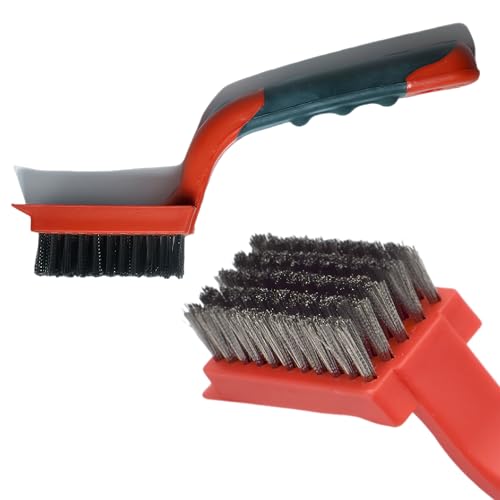
- Nylon bristle cast iron skillet cleaning brush
- Cast iron skillet scraper tool curved edge
- Cast iron maintenance kit seasoning brush scrubber
- Heavy-duty cast iron skillet cleaning pad steel wool alternative


Before You Start
Ensure the skillet is cool to the touch before cleaning. Work in a well-ventilated area if you heat the pan again for reseasoning. Gather all tools and supplies to avoid switching tasks mid-cleaning. Important: avoid soaking cast iron for long periods, which can strip seasoning. After cleaning, dry the pan completely to prevent rust and apply a light coat of oil.
Step-By-Step: How To Clean Black Residue From A Cast Iron Skillet
- Rinse the skillet with hot water to loosen surface debris and and start lifting the residue.
- Use a nylon bristle cast iron skillet cleaning brush or a stainless steel chainmail scrubber to scrub the interior in circular motions.
- For stubborn spots, employ the cast iron skillet scraper tool curved edge to gently pry away stuck-on food without gouging the surface.
- If residue persists, apply a small amount of mild dish soap on the brush and scrub only if you plan to reseason soon after. Modern guidance allows brief soap exposure on well-seasoned pans.
- Rinse thoroughly to remove soap residue and loosened particles.
- Dry immediately with a clean towel, then place the pan on low heat for a few minutes to ensure complete moisture evaporation.
- Apply a light coat of oil with the cast iron maintenance kit seasoning brush scrubber and buff evenly; wipe off any excess.
- Allow the skillet to cool completely before storing. Store with a dry surface to minimize moisture exposure.
- If you notice recurring black residue, repeat the cleaning steps and consider renewing the seasoning layer for better protection.
- Periodically use a heavy-duty cast iron skillet cleaning pad as a steel wool alternative when necessary, avoiding harsh abrasive pads.
- For ongoing upkeep, follow a regular maintenance cycle: clean, dry, oil, and store in a dry place.
- Document any changes in performance or sticking to determine if deeper restoration or re-seasoning is warranted.
Troubleshooting
| Symptom | Likely Cause | Fix | Prevention |
|---|---|---|---|
| Black, powdery residue | Seasoning breakdown or oxidation | Scrub, re-season, and apply a light oil | Maintain regular seasoning after each cleaning |
| Sticky surface after cleaning | Residual oil or soap film | Rinse thoroughly and heat-dry completely; apply thin oil | Use minimal soap and complete drying |
| Rust spots | Moisture exposure or poor drying | Scrub with a non-metal brush and reseason | Dry immediately after washing, store in dry area |
| Pitted or rough surface | Aggressive scrubbing with metal tools | Switch to gentler tools and re-season | Avoid harsh abrasives unless necessary |
Common Mistakes
- Over-soaking the skillet, which can strip seasoning.
- Using aggressive metal pads on seasoned surfaces.
- Forgetting to dry the pan thoroughly after washing.
- Skipping reseasoning after deep cleaning, leading to rust or more residue.
Sticking to gentle tools and timely reseasoning helps maintain a durable nonstick layer and reduces future buildup.
Tips For Best Results
- Always start with hot water to loosen fats and carbonized residues.
- Choose a cleaning method based on residue severity: nylon brushes for light cleaning, chainmail scrubbers for heaviness, and scrapers for stubborn bits.
- After washing, towel-dry immediately and finish with a brief warm heat to ensure dryness.
- Maintain seasoning with a thin oil layer after each use to repel residues.
- Store in a dry place to prevent rusting and preserve the seasoning layer.
Call A Professional
Consider calling a professional if the skillet shows extensive rust, deep pitting, or if you have difficulty achieving a smooth, evenly seasoned surface after repeated maintenance. Immediate professional help is advised when there is metal deformation or persistent food safety concerns.
FAQ
Can I use soap on cast iron to remove residue?
Yes, brief use of soap is acceptable on well-seasoned pans if needed, followed by thorough rinsing and re-seasoning.
What tool is best for tough residue?
A stainless steel chainmail scrubber or a heavy-duty scraper with a curved edge is effective for stuck-on bits.
How often should I reseason my cast iron?
Seasoning frequency depends on use; reseason after deep cleaning or if the surface looks dull or sticky.
Is rust cleaning safe on cast iron?
Light rust can be removed with a non-abrasive pad and reseasoned; extensive rust may require professional assessment.
What should I avoid when cleaning cast iron?
Avoid prolonged soaking and aggressive metallic pads that can strip the seasoning.
How do I store cast iron to prevent residue buildup?
Store in a dry, ventilated area with a light oil layer on the surface to deter moisture and buildup.
Buying Guide
When selecting cleaning tools for a cast iron skillet, consider size, material, and compatibility with seasoned surfaces. This guide covers key buying factors to help American users choose tools that preserve seasoning while effectively removing black residue.
Size And Fit
Choose tools that are comfortable in hand and proportionate to your skillet. A compact brush or scraper is ideal for small skillets, while chainmail scrubbers suit larger pans and higher-residue jobs.
Materials And Durability
Stainless steel chainmail scrubbers offer aggressive cleaning without deteriorating pans when used correctly. Nylon bristle brushes are gentler, preserving seasoning, while steel wool alternatives protect against scratches on delicate areas.
Ease Of Use And Ergonomics
Look for tools with comfortable grips and accessible edges. A curved-edge scraper speeds up removal of stubborn bits, and a maintenance kit with a seasoning brush simplifies ongoing upkeep.
Effectiveness Against Residue
For burnt-on residues, prefer chainmail scrubbers or curved-edge scrapers. For routine cleaning, a nylon brush paired with a light oil finish can adequately maintain the skillet.
Maintenance And Aftercare
Tools that are easy to clean and dry prevent transfer of moisture and debris back onto the pan. Choose products that resist rust and are compatible with repeated seasoning cycles.