Urine stains and odors on floors can be stubborn, especially with high-traffic areas and homes with pets. This guide covers practical steps using enzymatic cleaners and common household strategies to remove both the stain and the lingering smell. The approach emphasizes safety, effectiveness, and minimizing damage to different floor surfaces.
Quick Answer
Use an enzymatic cleaner for pet urine on floors to break down organic compounds, followed by a neutralizing rinse. For hard surfaces, a microfiber mop kit helps lift residual moisture and debris. If odors persist, repeat treatment and ensure the area dries completely to prevent re-soiling.
What You’ll Need
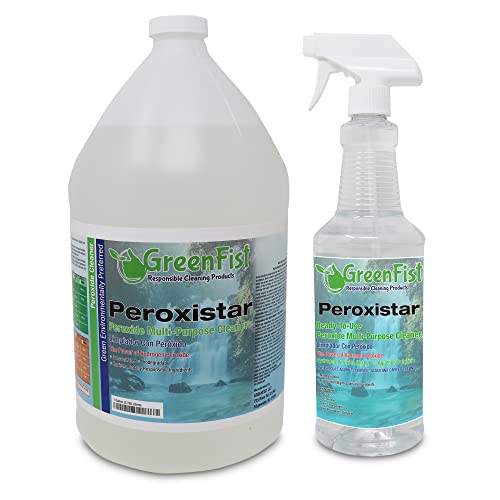
- Enzyme cleaner for pet urine on floors 32 oz spray
- Pet urine odor eliminator floor cleaner enzymatic spray
- Microfiber mop kit for urine spills on floors
- Enzyme-based floor cleaner for wood tile concrete urine stains 1 gallon
- Urine stain remover set with baking soda hydrogen peroxide for floors


Before You Start
Identify the type of floor surface (sealed wood, tile, concrete, or vinyl) since some cleaners are safer for specific materials. Test a small, inconspicuous area first to ensure no discoloration or finish damage. Gather supplies and ventilate the space to reduce odor exposure. Time estimates vary: plan about 30–60 minutes for a thorough cleaning, plus additional drying time.
Step-By-Step: How To Clean Urine From Floors
- Blot excess urine with clean towels or disposable cloths to remove as much liquid as possible without rubbing, which can push urine deeper into the surface.
- Apply an enzymatic cleaner directly to the affected area, following the product label. Enzymes break down uric acid and organic matter, addressing both stain and odor.
- Allow the cleaner to dwell for the recommended time. Keep pets and children away and avoid walking on the treated area until it dries.
- Gently scrub with a microfiber mop kit for urine spills on floors if the surface tolerates scrubbing. Use a soft pad or cloth to lift residues without scratching.
- If using an enzyme-based floor cleaner for wood tile concrete urine stains, apply evenly and avoid oversaturation on wood or porous finishes. Wipe excess cleaner as instructed by the label.
- Rinse lightly with clean water if the product directs it, then blot again to remove moisture. For best results, allow the area to air dry completely.
- For lingering odors, repeat the enzymatic treatment or use a baking soda-based stain remover, letting it sit briefly before wiping away.
- Inspect the area after drying. If the odor returns, repeat the steps on the same spot, ensuring thorough coverage and complete drying between treatments.
- Dispose of used towels and cleaning tools in a sealed bag to prevent spreading odors to other areas. Clean the mop head after each use.
- Perform a final wipe with a neutral floor cleaner to refresh the surface and leave a faint, clean scent without overpowering fragrance.
- Re-check the space within 24–48 hours. Re-treat any spots that show signs of staining or odor persistence.
- For high-traffic areas or repeated incidents, consider implementing a routine maintenance schedule with enzymatic cleaners to prevent buildup.
Troubleshooting
| Symptom | Likely Cause | Fix | Prevention |
|---|---|---|---|
| Persistent odor after cleaning | Insufficient enzyme contact or incomplete drying | Reapply cleaner, allow longer dwell time, ensure complete drying | Spot clean immediately after accidents; use odor-targeted products |
| Stain remains on porous surfaces | Urine seeped deeper into substrate | Use targeted stain remover and repeat treatment | Seal porous floors; remove spills promptly |
| Discoloration after cleaning | Cleaner incompatibility with finish | Test area first; switch to a surface-safe cleaner | Always check product labels for surface compatibility |
| Rings or residue after rinse | Over-application or improper dilution | Use minimal product and follow dilution guidelines | Use the recommended amount; avoid pooling |
Common Mistakes
- Using aggressive cleaners that disrupt floor finishes or sealers
- Waiting too long to treat accidents, which allows uric acid to set
- Rubbing urine into the surface, spreading stains and odors
- Skipping a thorough rinse after enzymatic treatment, leaving residues
Tips For Best Results
- Work in a ventilated area to minimize inhalation of odors and fumes
- Choose enzymatic cleaners specifically labeled for floors and pet urine
- For wood floors, avoid saturating the surface and protect the finish with a dedicated floor cleaner after treatment
- Use color-safe products when possible to prevent dye transfer
- Keep a dedicated microfiber mop and towels solely for urine cleanup to prevent cross-contamination
Call A Professional
Call a professional if the urine has saturated a large area, the odor remains strong after multiple treatments, or there are visible damages to the floor finish. Seek expert help for wood floors with deep staining or structural concerns, especially if the surface is porous or water-damaged.
FAQ
What is the best enzymatic cleaner for pet urine on floors?
Enzymatic cleaners formulated for floors, especially those labeled for pet urine, are designed to break down uric acid and organic matter for both stain and odor control.
Can I use baking soda and hydrogen peroxide for urine stains on floors?
Yes, in a stain remover set with baking soda and hydrogen peroxide, but test first and follow product instructions to avoid damage.
Is a microfiber mop kit necessary for urine cleanup?
A microfiber mop helps lift moisture and residue effectively, but other soft towels can work if a mop is unavailable.
How long should I let the enzymatic cleaner dwell?
Follow the product label, typically several minutes to a half hour, to maximize enzyme activity.
What surfaces are safe for enzymatic cleaners?
Most enzymatic cleaners are safe on sealed wood, tile, concrete, and laminate; always test a small area first.
How can I prevent future urine accidents from staining?
Address incidents promptly, maintain routine cleaning, and use odor-eliminating products to deter repeat accidents.
Do I need to rinse after applying an enzymatic cleaner?
Many enzymatic cleaners do not require rinsing, but some products call for a light rinse—follow the label instructions.
Buying Guide
Choosing the right cleaning tools and products for urine cleanup involves several factors. Consider the floor type, odor level, and frequency of incidents. A proper kit should include an enzymatic cleaner, a floor-safe odor eliminator, and a microfiber mop system. Evaluate the size of the space, as larger areas benefit from gallon-sized cleaners for cost efficiency and fewer refill interruptions.
- <bSize and coverage: For frequent accidents, a gallon cleaner and a 32 oz spray bottle setup can streamline workflow. For small spaces, a compact spray bottle may suffice.
- <bSurface compatibility: Ensure cleaners are safe for sealed wood, tile, concrete, and vinyl floors. Avoid products that might dull finishes on sensitive surfaces.
- <bOdor control: Enzymatic formulas target organic odor compounds at the source, while additional odor eliminators can provide immediate relief for strong smells.
- <bEase of use: A spray bottle with an even spray pattern and a microfiber kit that includes mop heads designed for liquid spills helps maintain consistency.
- <bDrying time: Quicker-drying formulas reduce the chance of re-soiling and musty smells. Plan cleaning when occupants can avoid the area until dry.
- <bCost per use: Compare per-ounce pricing across enzyme cleaners and replacement mop heads to estimate ongoing costs.
- <bStorage and safety: Store in a cool, dry place away from children and pets. Read safety data sheets for any inhalation or skin contact precautions.
Would you like recommendations tailored to your floor type or pet behavior? A targeted approach—combining the right enzymatic cleaner, a reliable odor eliminator, and a careful drying routine—yields the best long-term results.