Porcelain floors are prized for their durability and sleek look, but keeping them pristine requires the right approach. This guide explains practical steps, safe products, and best practices to maintain porcelain surfaces across kitchens, bathrooms, and entryways. By following the methods below, homeowners can achieve a bright, spotless floor without risking damage.
Quick Answer
Use a microfiber mop with a gentle, pH-neutral cleaner and avoid harsh acids. For stubborn grime, employ a porcelain floor steam mop or an electric floor scrubber for porcelain tiles on the lowest setting. Rinse and dry to prevent streaks and moisture buildup.
What You’ll Need
- microfiber mop for porcelain floors
- porcelain floor steam mop
- electric floor scrubber for porcelain tiles
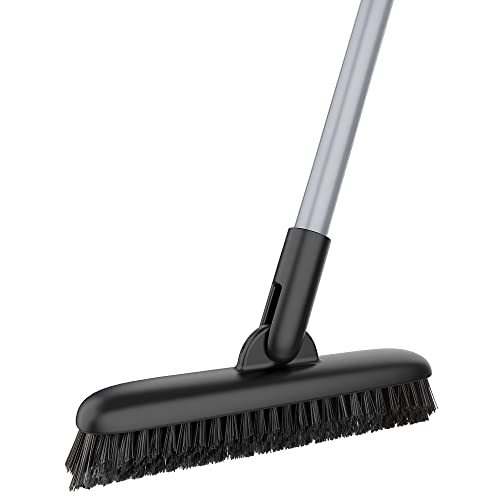
- porcelain tile grout cleaning brush with handle
- flat mop system for porcelain floors


Before You Start
Before cleaning, sweep or vacuum to remove loose debris that can scratch the surface. Choose a mild, pH-balanced cleaner designed for porcelain or tile. Test any cleaner on a small, inconspicuous area to ensure no discoloration. Work in sections, especially in larger rooms, to prevent solution from drying before you mop. Avoid ammonia, bleach, and acidic cleaners as they can dull the glaze over time. Allow the floor to dry completely to prevent water spots and slippery patches.
Step-By-Step: How To Clean Porcelain Floors
- Clear the area and pick a mop system appropriate for porcelain floors, such as a flat mop system for porcelain floors.
- Dust or vacuum the floor to remove grit that could cause scratches during mopping.
- Prepare a bucket with a mild, pH-neutral cleaner diluted according to the label directions.
- Dip the microfiber mop for porcelain floors into the solution, wring out well, and mop in a figure-eight or back-and-forth pattern.
- For stubborn spots, switch to a porcelain tile grout cleaning brush with handle and gently scrub the grout lines.
- If using a porcelain floor steam mop, glide it slowly over tile surfaces, focusing on grout lines and edges.
- Rinse the floor by mopping with clean water or using the steam mop’s rinse mode to remove cleaner residue.
- Dry the surface with a clean, dry microfiber pad or towel to prevent streaks and slipping.
- Inspect for remaining spots. Repeat targeted cleaning as needed, especially in high-traffic areas.
- Return furniture once the floor is fully dry and place mats at entry points to reduce future debris.
- Dispose of or launder used cleaning tools per manufacturer instructions to maintain hygiene and effectiveness.
- Store cleaning gear neatly to keep floors from recontaminating during future cleans.
Troubleshooting
| Symptom | Likely Cause | Fix | Prevention |
|---|---|---|---|
| Streaks after cleaning | Residue from cleaner or hard water | Rinse with clean water and dry thoroughly | Use distilled water; dilute cleaner as directed |
| Cloudy or dull appearance | Improper drying or buildup | Buff with a dry microfiber pad | Dry floors promptly after cleaning |
| Scratches in glaze | Using abrasive tools or harsh cleaners | Switch to soft tools; avoid scouring pads | Regularly inspect pads and replacements |
| Grout turning dark | Mold or grout residue | Use a grout brush with mild cleaner and rinse | Keep area dry; seal grout periodically |
Common Mistakes
- Using acidic or abrasive cleaners on porcelain floors
- Over-wetting the floor, leading to water seeping into joints
- Neglecting grout lines, which can harbor dirt and mold
- Not drying the surface, which increases slip risk
Tips For Best Results
– Maintain a routine cleaning cadence to prevent buildup in high-traffic areas. Microfiber pads capture dirt more effectively and reduce the need for strong chemicals.
– When selecting tools, consider a flat mop system for porcelain floors for a balanced distribution of water and pressure.
– For homes with hard water, use distilled water or add a water-softening booster to cleaner solutions to reduce residue.
– Seal grout periodically if recommended by tile manufacturers, then follow with gentle cleaning to avoid sealer damage.
Call A Professional
Call a professional if there are persistent grout stains, cracking tiles, or signs of water damage behind baseboards. Seek help also if the floor shows uneven patches after cleaning or if a steam cleaner is not recommended for your porcelain surface by the manufacturer.
FAQ
Can I use vinegar to clean porcelain floors?
Vinegar is acidic and can dull the glaze over time; it’s best to avoid it on porcelain floors.
Is a steam mop safe for porcelain tiles?
Yes, a porcelain floor steam mop can be effective when used on a low setting and according to the manufacturer’s instructions.
How often should I mop porcelain floors?
For high-traffic areas, mop weekly; for low-traffic spaces, every 1–2 weeks, plus spot cleaning as needed.
Should I seal the grout after cleaning?
Sealing grout can help protect it from stains; follow tile manufacturer guidance for timing and product choice.
What’s the best mop for porcelain floors?
A microfiber mop paired with a flat mop system tends to deliver balanced cleaning without scratching the surface.
Can I use bleach on porcelain floors?
Bleach can be harsh on some porcelain glazes; use milder cleaners unless the manufacturer approves a bleach-based product.
Do I need to rinse after cleaning?
Rinsing with clean water helps remove cleaner residue and reduces streaking.
Buying Guide
When choosing products and tools for porcelain floor care, consider size, noise, efficiency, and placement to optimize results without damage.
- Size and coverage: Large rooms benefit from a flat mop system for porcelain floors or a wide head on a microfiber mop to cover more area quickly.
- Noise level: Steam mops and electric scrubbers can be louder; look for models with variable speed and quieter operation.
- Energy and water use: Choose energy-efficient steam mops and low-water cleaning modes to minimize consumption.
- Controls: Simple controls with clear indicator lights help manage cleaning solutions and dry time.
- Placement and storage: Keep tools within reach of common cleaning zones and store them upright to prevent moisture buildup.
Additionally, review each tool’s compatibility with porcelain surfaces and grout care. Would a combined approach with a microfiber mop and occasional grout brushing suit your home best? Assess your floor’s traffic, so you can tailor the cleaning frequency and tool choices accordingly.