An unruly chalkboard with stubborn stains can hinder quick notes and clear teaching moments. This guide provides practical, step-by-step methods to restore a chalkboard’s surface while using common tools and safe cleaners. The focus is on home classrooms, cafes, or office spaces that rely on clean, legible chalkboards without harsh scrubbing.
By following these steps, readers will understand how to remove chalk residue, revive the black surface, and prevent future staining with simple maintenance routines.
Quick Answer
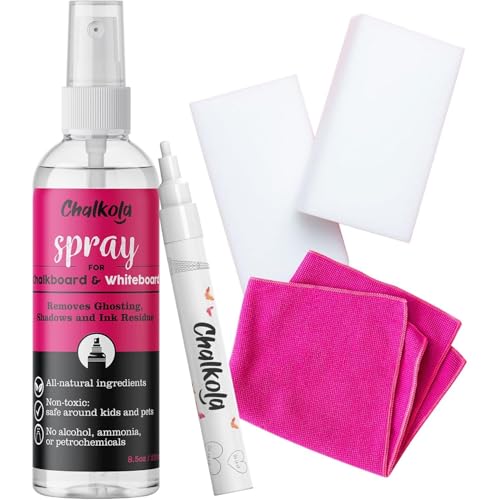
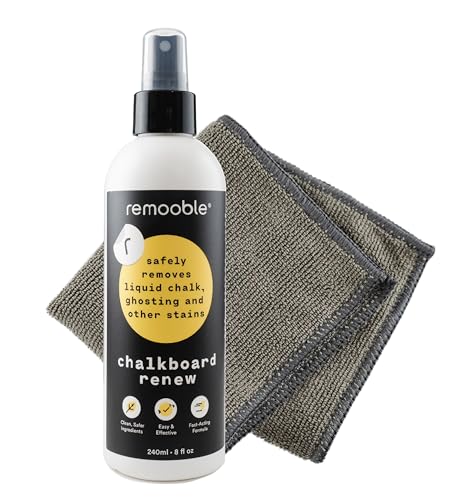
Best starting approach: Use a non-abrasive chalkboard cleaner and a microfiber cleaning cloth to lift stains. If stubborn marks persist, apply a chalkboard stain remover spray, then finish with an eraser replacement felt pad for textured cleaning. For frequent use, keep a dedicated chalkboard cleaner spray bottle on hand and swap in a fresh microfiber cloth after each session.
What You’ll Need
- Chalkboard cleaner spray bottle
- Non-abrasive chalkboard cleaner
- Chalkboard stain remover spray
- Microfiber cleaning cloth for chalkboard
- Chalkboard eraser replacement felt pad
- Optional soft sponge or pad for gentle scrubbing

Before You Start
Before cleaning, ventilate the area and remove loose chalk dust with a dry microfiber cloth. Test cleaners on a small, inconspicuous area to ensure no discoloration occurs. For painted or sealed boards, follow manufacturer guidelines to avoid damage. Plan for a 15–30 minute cleanup window, depending on stain severity. If you notice persistent ghosting or surface roughness, consider treating the board in sections rather than all at once.
Step-By-Step: How To Clean A Stained Chalkboard
- Dust and dry-clean the surface with a microfiber cleaning cloth for chalkboard to remove loose powder.
- Flick a light mist of chalkboard cleaner spray bottle over the stained area, then wipe with a clean microfiber cloth in a circular motion.
- If stains persist, apply a small amount of chalkboard stain remover spray directly to the mark and let stand for 1–2 minutes.
- Gently scrub with the cloth or a soft sponge, taking care not to gouge the surface.
- Wipe away residue with a fresh microfiber cloth, reapplying cleaner as needed until the stain lifts.
- For stubborn ghosting, repeat treatment in a circular pattern from the center outward until faint marks disappear.
- Rinse the area with a clean, lightly damp cloth to remove cleaner residue.
- Dry thoroughly with a dry microfiber cloth to prevent streaks and future ghosting.
- Restore the chalkboard’s texture by lightly using the eraser replacement felt pad on the surface to even the coating.
- Lightly condition the surface by drawing a few chalk lines and erasing to test for even performance.
- Revisit any tough spots with a final pass of cleaner and cloth until the surface is uniformly clean.
- Store cleaning products out of reach of children and label bottles for easy identification.
Troubleshooting
| Symptom | Likely Cause | Fix | Prevention |
|---|---|---|---|
| Stains remain after cleaning | Hammered ghosting or deep-set marks | Apply chalkboard stain remover spray; repeat steps | Clean weekly to prevent buildup |
| Streaks after wipe | Residual cleaner or water | Wipe with a dry microfiber cloth until dry | Use minimal moisture and a lint-free cloth |
| Surface feels rough | Harsh scrubbing or older coating | Switch to non-abrasive cleaner; avoid steel erasers | Maintain with light cleaning and proper eraser care |
| Faint ghost images after cleaning | Next-year residue buildup | Repeat cleaning cycle with a fresh cloth | Regular upkeep after daily use |
Common Mistakes
- Using abrasive tools that scratch the chalkboard
- Over-wetting the surface, which can cause staining to set
- Relying on a single cleaner for all stains
- Skipping a final dry pass, which leads to streaks
- Neglecting to replace worn eraser pads that shed fiber onto the surface
Tips For Best Results
- Schedule regular cleanings to prevent ghosting and improve erasing performance
- Choose a dedicated chalkboard cleaner spray bottle for quick touch-ups
- Pair a microfiber cleaning cloth with a non-abrasive cleaner for safe, effective results
- Keep a replacement eraser felt pad readily available for immediate surface refreshes
- Avoid using household solvents unless explicitly labeled safe for chalkboards
Call A Professional
Consider calling a professional if the chalkboard shows persistent staining after multiple cleanings, exhibits surface peeling, or if you suspect damage to the chalkboard coating. Seek expert advice for boards in commercial spaces or historic settings where preservation is a priority. Stop cleaning if you notice bubbling, discoloration, or changes in gloss that could indicate improper products.
FAQ
Can I use regular household cleaners on a chalkboard?
It is best to use cleaners labeled non-abrasive and specifically designed for chalkboards to avoid surface damage.
How often should a chalkboard be cleaned?
Clean weekly or as needed, especially in high-usage areas, to prevent ghosting and buildup.
What should I do about stubborn marks?
Apply chalkboard stain remover spray, let sit briefly, then wipe with a microfiber cloth.
Is a chalkboard eraser replacement felt pad necessary?
Yes, a fresh felt pad helps lift residue rather than smear it, improving erasing performance.
Buying Guide
Choosing the right cleaning supplies for a stained chalkboard involves evaluating surface needs and maintenance habits. Key factors include the size of the chalkboard, the typical chalk density, and whether the board is a traditional enamel-coated surface or a painted chalkboard. Consider the following:
- <bSize and coverage: Larger boards benefit from spray bottles with wide coverage and efficient cloths.
- <bNoise and ease of use: Sprays and microfiber cloths operate quietly without heavy scrubbing.
- <bEnergy efficiency: Reusable microfiber cloths reduce waste and ongoing costs.
- <bControls: Simple spray-and-wipe controls speed up cleaning sessions.
- <bPlacement: Store cleaners away from direct sunlight and heat to maintain effectiveness.
For best results, compare products that highlight non-abrasive formulas and chalkboard-specific compatibility. Evaluate whether a combined set—chalkboard cleaner spray bottle, microfiber cleaning cloth, and chalkboard stain remover spray—covers typical stains and regular maintenance. If you frequently clean large or heavily used boards, a kit with replaceable eraser pads and clear labeling can simplify upkeep. After trying a few products, assess how easily the surface erases and whether ghosting remains after standard cleaning cycles. A well-chosen clean-and-maintain routine keeps chalkboards legible and inviting for daily use.