Keeping grill plates clean is essential for flavor, efficiency, and longevity. Whether you own a gas, charcoal, or pellet grill, a routine cleaning routine helps prevent buildup and ensures even heat. This guide outlines practical, step-by-step methods using common tools to restore grill plates to like-new condition.
Quick Answer
For a fast, effective clean: remove loose debris, heat the grill briefly to loosen residue, scrub with a bristle brush suited to your grate material, wipe with a damp cloth, season or re-oil if needed, and perform a deep clean weekly or after heavy grilling sessions.
What You’ll Need
- Stainless steel grill brush with scraper for grill grates
- Cast iron grill grate cleaning brush 18-inch stiff bristles
- Ceramic grill grate cleaning brush set
- Gas grill grate scraper tool with replaceable blade
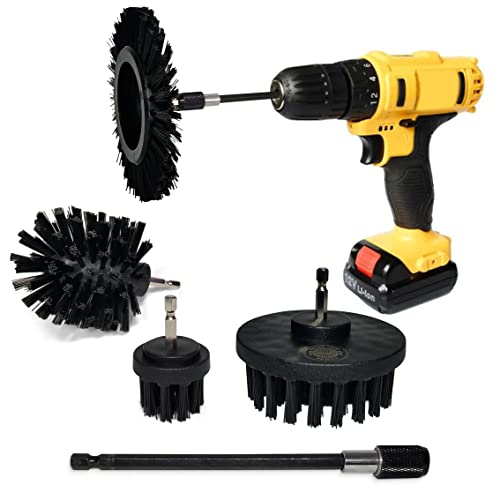
- Grill grate cleaning scrubber with handle and replacement heads


Before You Start
Before beginning, ensure the grill is completely cool and disconnect any gas supply or power. Remove grates and wash them separately to prevent burns or injury. Use caution with sharp tools and replace worn brush heads to avoid bristle contamination. Plan for a 20–40 minute window for a thorough cleaning, depending on grill usage.
Caution: Do not use metal brushes on porcelain-coated grates if the bristles may shed. Inspect grates for damage or loose coatings and replace as needed. Keep children and pets away from the cleaning area.
Step-By-Step: How To Clean Grill Plates
- Remove grates and ash or debris from the grill interior. Use a brush or a shop vac to clear loose material.
- Preheat the grill briefly to about 300–350°F (150–175°C) to loosen stuck-on residue, then turn off and wait for cooling slightly.
- Choose the appropriate tool based on grate material: stainless steel or cast iron brushes for metal grates, ceramic-specific tools for ceramic coatings, and a scraper for tougher baked-on bits.
- Scrub grill plates with the chosen brush, applying steady, even pressure to lift residue without gouging the surface. For stubborn buildup, reheat slightly and scrub again.
- Wipe the plates with a damp cloth or sponge to remove loosened debris. For cast iron, avoid soaking; instead, wipe dry and apply a light oil coating to prevent rust.
- Clean the interior walls and burners if accessible. Remove any grease tray buildup and wipe down with a mild degreaser or soapy water as needed.
- Rinse the grates or wipe with a clean, damp cloth. Ensure all soap residue is removed, especially on porcelain or ceramic coatings.
- Reassemble the grill and run it on high for about 10 minutes to dry the surfaces and burn off any remaining cleaners.
- Apply a small amount of oil to metal grates to season and prevent sticking, then wipe away excess with a dry cloth.
- Check for remaining residue or hot spots after the next grill session and repeat cleaning as needed to maintain even heat distribution.
- For porcelain and ceramic finishes, use a non-abrasive cleaner and avoid steel wool to preserve coating integrity.
- Dispose of waste safely and store brushes and scrapers in a dry place to prevent rust or deterioration.
Troubleshooting
| Symptom | Likely Cause | Fix | Prevention |
|---|---|---|---|
| Residue still sticks after cleaning | Partial heat buildup or insufficient scrubbing power | Reheat briefly and scrub with a stiffer brush; use a scraper on baked-on sections | Clean promptly after cooking; avoid letting fats burn on surfaces |
| Brushed bristles shed into food | Worn or damaged brush head | Replace brush or blade; avoid using worn tools | Regularly inspect tools; replace every few months or as needed |
| Porcelain coating looks chipped | Harsh scrubbing or metal brush on coated surface | Switch to a ceramic-safe brush; avoid metal scrubbing on coatings | Follow manufacturer guidance for cleaning materials |
| Rust on cast iron grates | Moisture exposure or improper seasoning | Season with oil and heat; dry thoroughly after cleaning | Store in a dry area; wipe dry after cleaning |
Common Mistakes
- Using metal brushes on delicate porcelain coatings
- Pouring water on extremely hot metal, causing warping or cracks
- Neglecting to dry cast iron grates after cleaning, leading to rust
- Over-wetting ceramic surfaces, which can weaken coatings over time
Tips For Best Results
- Clean grills after each use to prevent hardening build-up.
- Use a combination of brushes: a stiff, long-handled brush for large areas and a softer brush for delicate coatings.
- For stubborn residues, apply a small amount of cooking oil to the grates before preheating to help release grease.
- Always dry grates completely before reassembling to avoid rust and corrosion.
- Keep a dedicated cleaning station with labeled brushes and scrapers for different grate types.
Call A Professional
Stop signs to contact a pro include persistent rust that cannot be removed, significant coating damage to porcelain or ceramic grates, gas line leaks or malfunctioning burners, and structural damage to the grill frame. If there is any doubt about the safety or integrity of the grill components, consult an authorized service technician.
FAQ
How often should I clean grill plates?
Clean after heavy grill sessions and perform a lighter post-cook wipe-down after each use. A deep clean is recommended weekly for frequent griddlers or during peak season.
Can I use soap on grill grates?
Yes, mild dish soap and warm water are acceptable for metal grates, but avoid soaking cast iron and porcelain-coated surfaces. Rinse thoroughly.
What is the best brush for a ceramic grill grate?
Use a ceramic-safe brush or set designed for ceramic coatings to prevent scratching or coating damage.
Should I oil my grill plates after cleaning?
Lightly oil metal grates to season and prevent sticking; avoid heavy oil on porcelain or ceramic surfaces.
What about rust on cast iron grates?
Rust can be treated by scrubbing, applying a thin oil coat, and heating to cure. If rust recurs, consider replacing the grate.
Are replacement heads compatible with all brushes?
Check model compatibility before purchasing replacement heads, as sizes and fittings vary across brands.
Buying Guide
Choosing the right grill cleaning tools depends on grate material, grill size, and maintenance habits. Consider the following factors to select effective gear and keep grill plates in top condition.
Size and reach: Larger grills benefit from longer handles and 18-inch or longer brushes to reach deep inner surfaces without bending. For compact grills, smaller, more maneuverable brushes work well.
Material compatibility: Metal bristles work well on metal grates but can damage porcelain or ceramic coatings. Ceramic brush sets are gentler on ceramic finishes and helpful for coated grates.
Cleaning power vs. coating safety: A strong scrubbing tool is beneficial for baked-on residue, but ensure it won’t scratch delicate coatings. Use a scraper for stubborn spots and a soft brush for routine cleaning.
Replaceable heads: Tools with replaceable heads reduce waste and allow upgrading without buying an entirely new brush. Check compatibility with your chosen brand.
Ease of use: Look for ergonomic handles, non-slip grips, and tools that can withstand high heat and frequent moisture exposure. A brush with a scraper is convenient for quick removal of tough residue.
Placement and storage: Store brushes in a dry, ventilated area to prevent rust and fraying. Use a wall rack or magnetic holder for easy access near the grill.