Grease marks and oily residues on wood furniture can be stubborn. This guide explains a practical, safe approach to remove grease without damaging finishes. It covers common products, simple steps, and how to prevent future stains on wood surfaces.
Quick Answer
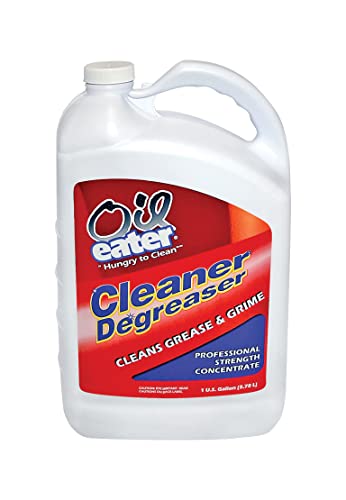
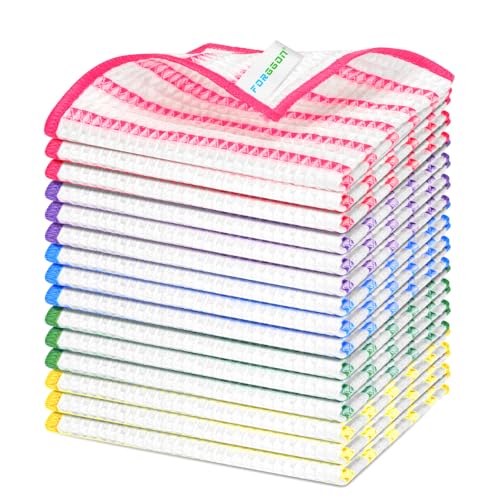
Use a wood-safe cleaner tailored for grease, followed by a non-abrasive scrub and a microfiber cloth. For tough spots, apply a oil stain remover for wood furniture or a wood furniture degreaser spray, then wipe with a clean microfiber or cloth until dry.
What You’ll Need
- Wood furniture degreaser spray 32 oz
- Oil stain remover for wood furniture
- Wood-safe cleaner gel for grease stains
- Non-abrasive scrubbing pad for wood cleaning
- Microfiber cleaning cloths for wood surfaces

Before You Start
Prepare a clean, well-lit workspace. Test any cleaner on a small, inconspicuous area first to ensure it won’t alter the finish. Work with the grain of the wood and avoid saturating the surface. Wear gloves and work in a well-ventilated area. Allow a few minutes for cleaners to break down grease, then wipe away with a damp cloth. Time estimate: 15–30 minutes per piece, depending on stain severity.
Step-By-Step: How To Clean Grease Off Wood Furniture
- Boil down to basics: Start with dry wiping using a clean microfiber cloth to remove loose dust and surface debris.
- Apply a degreaser: Lightly spray a wood furniture degreaser onto a microfiber cloth, not directly on the wood, and wipe the greasy area with smooth, even strokes.
- Gently scrub: Use a non-abrasive scrubbing pad for wood cleaning to lift stubborn grease without scratching the finish. Avoid excessive pressure.
- Rinse and blot: Wipe away residue with a slightly damp microfiber cloth, then blot dry with a separate dry cloth.
- Target tough spots: If grease persists, apply oil stain remover for wood furniture to a cloth and work into the stain in small circles.
- Use cleaner gel as needed: For remaining rings, apply a small amount of wood-safe cleaner gel for grease stains and cleanse with the cloth, then rinse.
- Dry thoroughly: Ensure the surface is completely dry to prevent moisture damage. Refrain from leaving damp areas overnight.
- Final polish: If the finish looks dull, buff with a clean microfiber cloth to restore shine without introducing new residues.
- Inspect and repeat: Check for any remaining grease and repeat the brief cleaning sequence on targeted spots.
- Preventive care: Apply a light protective wax or conditioner suitable for the wood type to reduce future staining risk.
- Document results: Note which products worked best for future reference on similar wood finishes.
Troubleshooting
| Symptom | Likely Cause | Fix | Prevention |
|---|---|---|---|
| Grease reappears after cleaning | Insufficient removal of oil residue | Reapply degreaser with a longer wipe and use oil stain remover on the spot | Clean promptly after spills; wipe with a dry cloth |
| Finish looks cloudy or dull | Over-wetting or harsh cleaner | Use minimal moisture; switch to a milder cleaner gel | Test cleaners first; use soft pads |
| Scratches appear after scrubbing | Excessive pressure with pad | Switch to a softer pad and lighter strokes | Always work with the grain |
| Rings or staining persists | Stain deeply absorbed | Apply targeted oil stain remover in small circles | Address spills quickly |
| Residue remains after wipe | Rinse step skipped | Rinse with a clean damp cloth and blot dry | Follow with a final microfiber buff |
Common Mistakes
- Using harsh household cleaners that strip finishes
- Over-wetting wood, especially unfinished edges
- Scrubbing aggressively, which can scratch or dull the surface
- Rubbing grease back and forth across the grain
- Neglecting to test cleaners on a hidden area first
Tips For Best Results
- Work in small sections to prevent spreading grease
- Keep a dedicated microfiber cloth for wood cleaning to avoid cross-contamination
- Choose a cleaner that matches the wood type (oak, pine, cherry, etc.)
- Use very light pressure with a non-abrasive pad to reduce risk of scratches
- Always dry thoroughly before applying any conditioner or wax
Call A Professional
Stop and consider professional help if the stain is extensive, the finish is damaged, or if the piece is antiques or has a unique veneer. Seek a furniture restorer if:
- The grease stains extend into the wood grain or veneer
- You see bubbling, peeling, or color changes after cleaning
- The finish is valued and you want to preserve authenticity
FAQ
Can I use dish soap to remove grease from wood?
Dish soap can help in a pinch, but it may leave a residue. Use a dedicated wood-safe cleaner gel or degreaser for best results.
Is it safe to use a microfiber cloth on all wood finishes?
Microfiber is generally safe, but test on a hidden area first to confirm it won’t cause scratches or dullness.
How long should I wait after cleaning before placing items back on the surface?
Allow the wood to dry completely, usually 10–20 minutes depending on humidity and temperature.
Will oil-based finishes stain more easily after grease cleaning?
Proper cleaning reduces risk, but applying a protective conditioner after drying helps maintain the finish and resist future stains.
Buying Guide
When choosing products to tackle grease on wood, consider size, formulation, and compatibility with your finish. For most households, a wood furniture degreaser spray plus a wood-safe cleaner gel for grease stains provides a versatile baseline. Look for products labeled as safe for oil-based finishes, polyurethane, and natural wax blends. Consider a set that includes a non-abrasive scrubbing pad and microfiber cloths for convenient, repeatable results. Pay attention to scent, dry time, and packaging size to balance cost and usage. Finally, verify that the product list includes a dedicated oil stain remover for wood furniture for stubborn spots and a gentle option for routine cleaning.