Windshields can accumulate road grime, insect residue, and mineral deposits that obscure visibility. A clean windshield improves visibility, safety, and driving comfort. This guide provides a practical, step-by-step approach using commonly available car care tools and products.
Following best practices helps prevent scratches and streaks while restoring clarity. The steps below balance efficiency with care for glass and surrounding trim.
Quick Answer
Begin with a dry wipe to remove loose dust, mist with a glass cleaner, and finish with a microfiber cloth or squeegee for a streak-free shine. For stubborn spots, use a dedicated auto glass scraper blade and an extendable brush to reach high or wide areas without leaning on the glass.
What You’ll Need
- Auto windshield squeegee with replaceable rubber blade kit
- Microfiber glass cleaning cloth for car windshield
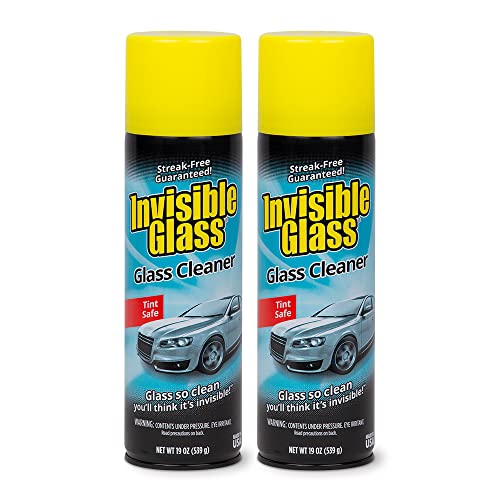
- Car windshield glass cleaner spray for automotive use
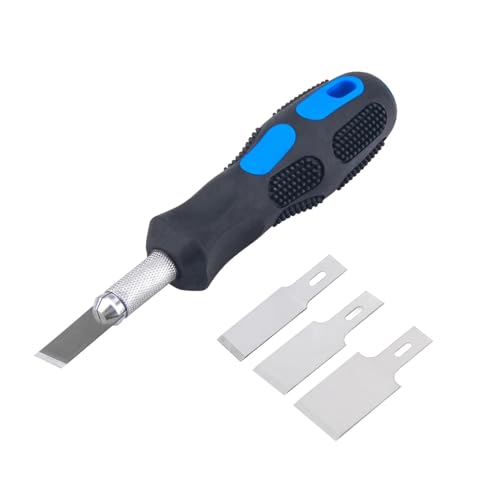
- Auto glass scraper blade for windshield cleaning
- Extendable car wash brush for windshield cleaning

Before You Start
Prepare the work area, ideally in shade to prevent cleaner from drying too quickly. Test cleaner on a small, inconspicuous area first to ensure no residue or hazing occurs. Use a soft touch to avoid scratching the glass. Safety notes: do not use ammonia-based cleaners on tinted windows and avoid cleaners that leave film behind. Time estimate: 15–25 minutes for routine cleaning; longer for heavy grime or mineral deposits.
Step-By-Step: How To Clean A Dirty Windshield
- Remove loose debris from the windshield using a dry microfiber cloth to prevent grinding dirt into the glass during cleaning.
- Gently mist the windshield with the car windshield glass cleaner spray, focusing on areas with grime, streaks, or road film.
- Wipe in a straight, vertical motion from top to bottom with the microfiber cloth to lift residue and minimize smear lines.
- For stubborn spots (bird droppings, insect splatter), use the auto glass scraper blade held at a shallow angle and pull slowly to lift the residue.
- Switch to a clean section of the microfiber cloth or use a new cloth to remove remaining cleaner and residue.
- Use the extendable car wash brush to reach the upper corners or the far edges of the windshield, brushing away any dust without contacting the glass with hard bristles.
- Finish with the squeegee: apply light pressure and sweep from the center outward in a consistent arc to remove excess cleaner and prevent streaks.
- Inspect from different angles and, if necessary, repeat the cleaning steps on any remaining hazy areas.
Troubleshooting
| Symptom | Likely Cause | Fix | Prevention |
|---|---|---|---|
| Streaky glass after cleaning | Residue left from cleaner or dirty cloth | Use a fresh microfiber cloth and a streak-free cleaner | Regularly launder cloths; choose dedicated glass microfiber |
| Scratches appearing | Using a dull scraper or dirty blade | Replace blade; keep blade clean during use | Only use a scraper for stubborn spots; avoid metal scraping on coated surfaces |
| Cloudy look when sunlight hits | Product haze or film | Wipe with a clean cloth and a small amount of cleaner, then buff dry | Test cleaner in a hidden area first |
| Streaks around edges | Cleaner pooled near seals | Wipe edges last with a dry cloth | Avoid applying excess cleaner near seals |
Common Mistakes
- Using household glass cleaners with ammonia on tinted windshields
- Brushing dirt across the glass instead of lifting it away
- Reusing a dirty cloth that deposits grime back on the windshield
- Rushing the process, leading to uneven streaks or smudges
Tips For Best Results
- Work in a cool, shaded area to prevent cleaner from drying too fast and leaving haze
- Choose a dedicated microfiber cloth for glass and launder after each use
- Pair a microfiber cloth with a spray cleaner designed for automotive use for best results
- Keep a spare blade in the kit for quick replacement during heavy cleaning sessions
- Use an extendable brush to avoid leaning on windshields and to reach the top edge safely
Call A Professional
Consider contacting a professional if the windshield has deep scratches, pitting, severe stains, or if your tint or coatings show damage after cleaning. Seek help promptly if you notice compromised visibility, hazing around the edges, or failed windshield coatings. Also pursue expert service for significant mineral deposits that resist home cleaning.
FAQ
What’s safe to use on tinted windshields?
Use ammonia-free glass cleaners and soft microfiber cloths to prevent damage to tint films.
How often should I clean my windshield?
Clean as needed based on driving conditions; a light wipe every week and a thorough clean every month works well for most drivers.
Can I use a razor blade on the windshield?
Only use a dedicated auto glass scraper blade and follow safety guidelines to avoid scratching the glass.
What should I do if cleaning leaves streaks despite following steps?
Switch to a fresh cloth, reapply a small amount of cleaner, and buff with a dry portion of the cloth in a circular motion.
Buying Guide
When selecting tools to maintain a clean windshield, consider the following factors to balance performance, safety, and cost.
- Size and reach: Choose an extendable brush or long-handled tool if you frequently clean high or wide areas without leaning on the glass.
- Cleaning power: A dedicated car windshield glass cleaner with microfiber application tends to deliver clearer results with fewer passes.
- Edge care: A replaceable blade kit helps maintain effective scraping without replacing the entire tool.
- Material quality: Look for high-quality microfiber cloths that resist shedding and lint.
- Ease of maintenance: Reusable tools and washable cloths save money and reduce waste over time.
- Noise and friction: Tools should glide smoothly with minimal friction to avoid micro-scratches.
- Placement and storage: Keep cleaning tools in a dedicated car kit or organizer for quick access during drives.
Thinking about a practical setup? A compact kit containing an auto windshield squeegee with replaceable blades, microfiber glass cloths, a dedicated cleaner spray, a scraper blade, and an extendable brush covers most daily needs. How do you prefer to store and organize your car-care tools for quick access on the road?