Copper awnings add a distinctive look to homes, but keeping them clean requires careful steps to preserve the metal’s finish and prevent damage. This guide provides practical, step-by-step instructions using common copper-specific products and a few household items. The goal is to restore shine, manage patina, and protect exterior surfaces without harsh scrubbing or abrasive tools.
Readers will find a clear plan from prep to maintenance, with safety notes and options for different levels of tarnish. The methods work for classic copper awnings, roof-edge copper, and similar exterior copper features.
Quick Answer
For light tarnish, begin with warm water, a soft cloth, and a copper cleaner spray outdoor copper awning. For heavier oxidation, use an oxidation remover for copper awning outdoor, then follow with a polishing compound for exterior copper surfaces. Finish with a clear protective wax for copper outdoor surfaces. Always test in a small area first.
What You’ll Need
- Copper cleaner spray outdoor copper awning
- Oxidation remover for copper awning outdoor
- Copper polishing compound for exterior copper surfaces
- Patina remover for copper awning with polish cloth kit
- Clear protective wax for copper outdoor surfaces


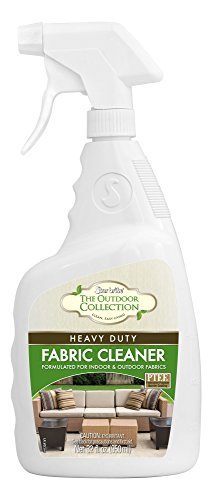
Before You Start
Prepare a shaded work area and protect nearby plants or outdoor furniture. Wear gloves to protect skin from cleaners and wax. Rinse the awning thoroughly with water before applying any products to avoid running residues. Check the manufacturer’s siding or metal care recommendations to ensure compatibility. Time estimates: a light cleaning can take 30–45 minutes; a full restoration with patina removal may take 1–2 hours including drying time. Critical cautions include avoiding abrasive scrubbers, never mixing cleaning chemicals unless specified, and avoiding excessive moisture on non-copper fasteners.
Step-By-Step: How To Clean A Copper Awning
- Dry the surface with a soft microfiber cloth to remove loose dust and debris.
- Apply copper cleaner spray outdoor copper awning in a small, inconspicuous area to test compatibility, then proceed with the full surface following the product directions.
- Gently wipe with a soft cloth in circular motions, focusing on areas with light tarnish or fingerprints.
- If oxidation is visible, apply the oxidation remover for copper awning outdoor and let it sit per label instructions before buffing away with a clean pad.
- Polish the surface with the copper polishing compound for exterior copper surfaces to restore luster. Use light pressure and a circular motion.
- For deeper patina or stubborn spots, use the patina remover for copper awning with polish cloth kit, following the kit directions. Rinse and dry thoroughly afterward.
- Inspect for uniform shine; if any dull patches remain, repeat polishing with the compound or buff with a clean cloth until even.
- Apply a thin coat of clear protective wax for copper outdoor surfaces to seal and guard against future tarnish. Allow to set per product directions, then buff to a soft glow.
- Finish with a final wipe to remove any wax residues and ensure a smooth, even surface. Periodically repeat maintenance to maintain shine and protection.
- Store unused products according to label recommendations, away from direct sunlight and moisture.
Troubleshooting
| Symptom | Likely Cause | Fix | Prevention |
|---|---|---|---|
| Dull, uneven finish after polishing | Residue left from wax or cleaner | Re-wipe with a clean microfiber cloth and minimal product | Use small amounts and test on a hidden area first |
| Blackish residue returning quickly | Environmental exposure or acidic cleaners | Rinse thoroughly and reapply wax; avoid abrasive cleaners | Regular light cleaning every few months |
| Streaks after drying | Improper drying technique or excess product | Dry with a lint-free cloth in a single direction | Dry promptly after each cleaning session |
| Stubborn patina that won’t lift | Deep oxidation or protective seal failure | Follow with patina remover as directed, then re-seal | Use protective wax consistently after cleaning |
Common Mistakes
- Using abrasive pads that scratch copper surfaces
- Over-waxing, which can leave sticky residues
- Mixing cleaners that contain ammonia or bleach with copper products
- Neglecting the underside of the awning where moisture can accumulate
Staying mindful of these pitfalls helps maintain the copper’s natural glow while preventing damage to enamel or coatings.
Tips For Best Results
- Test any product on a small, inconspicuous area before full application.
- Work in cool, shaded conditions to prevent rapid drying and streaking.
- Use a dedicated polishing cloth for copper to avoid transferring oils from other metals.
- Routinely inspect fasteners and sealant edges to catch early signs of wear.
- Store care products in a cool, dry place to extend shelf life.
Call A Professional
Consider a pro if the copper awning has significant structural damage, severe corrosion, or if you encounter persistent staining after multiple cleaning attempts. Seek professional help if you notice lifted or pitted copper, compromised coatings, or if cleaning would require removing or disassembling sections of the awning. Spot-check that the protective seal remains intact after any major restoration.
FAQ
Can I clean copper awning with household vinegar?
Vinegar can be effective for light tarnish but may be too acidic for some coatings. Use vinegar sparingly, dilute with water, and test first with a small area.
Is it safe to use metal polish on outdoor copper surfaces?
Yes, if the polish is labeled for exterior copper and used per directions. Avoid harsh abrasives that can scratch the surface.
How often should I wax my copper awning?
Apply a protective wax every 6–12 months or after heavy cleaning to maintain a barrier against moisture and pollution.
What maintenance steps prevent future tarnish?
Regular light cleaning, prompt removal of bird droppings or pollutants, and reapplication of clear protective wax help minimize tarnish buildup.
Buying Guide
Choosing the right products and plan for cleaning copper awnings involves several factors. Size matters for coverage area; a larger awning may require multiple applications or a larger can to avoid running short. Noise level is generally not a concern for outdoor cleaning, but ease of use and the gentleness of the formula are important. Energy efficiency isn’t a primary factor here, but simple, low-effort maintenance saves time and effort. Controls should be straightforward—read and follow directions on the label, and select products that are compatible with outdoor copper surfaces. Placement considerations include shading, exposure to rain or salt air, and proximity to plants or irrigation. For best results, consider a maintenance plan that alternates between a cleaner, an oxidation remover if needed, a polishing compound, and a protective wax. Look for products specifically formulated for exterior copper surfaces, and favor kits that include a patina remover and a polish cloth for a seamless finish. If unsure, start with a light cleaning and a protective wax to test compatibility with your awning’s finish. For buyers seeking a complete system, a kit that pairs a cleaner, an oxidation remover, a polishing compound, a patina remover, and a wax ensures all-in-one care from start to finish.