Maintaining a clean refrigerator helps preserve fresh food, reduce odors, and improve overall kitchen hygiene. This guide walks American users through a practical, step-by-step approach using common cleaning tools and safe practices.
From everyday wipe-downs to more thorough deodorizing, the steps below prioritize effectiveness, efficiency, and safety in a typical home setting.
Quick Answer
Remove perishable items, discard expired foods, wipe down shelves with a mild multi-surface cleaner, deodorize with baking soda, and dry before restocking. For tough stains, use a soft scrubbing pad on stainless surfaces and a microfiber cloth for shelves.
What You’ll Need
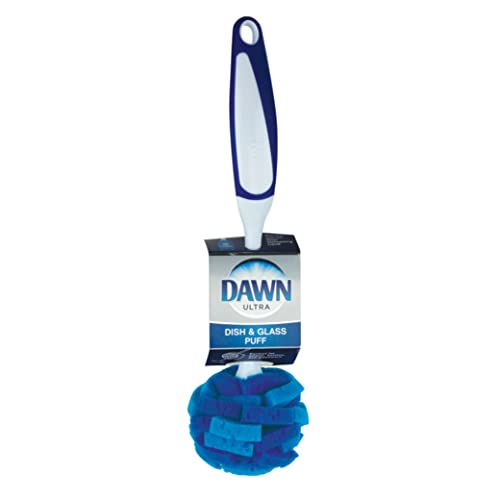
- refrigerator cleaning brush with sponge head
- microfiber cleaning cloths for refrigerator shelves 12×12
- 12 oz spray bottle for fridge cleaning multi-surface
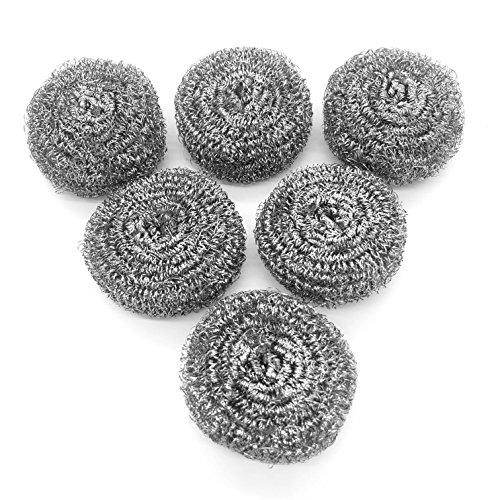
- soft scrubbing pad for stainless steel fridge surface kit
- baking soda fridge deodorizer refillable container

Before You Start
Before beginning, unplug the fridge if safe to do so or set it to the minimum temperature while you work. Remove all food items from the shelves and drawers, and place perishables in a cooler or another cold space if available. Protect your hands with gloves and use a well-ventilated area when spraying cleaners. Estimate 30–60 minutes for a thorough clean, depending on the fridge’s size and level of grime.
Step-By-Step: How To Clean Your Refrigerator
- Empty the fridge completely and discard any spoiled items.
- Remove shelves, drawers, and any detachable parts for separate cleaning.
- Wipe interior surfaces with a microfiber cloth lightly dampened with the multi-surface cleaner from the spray bottle.
- Use the soft scrubbing pad on stubborn stains or sticky residues, especially on stainless steel doors if present.
- Clean door gaskets and hinges with a cloth to prevent mold and ensure a tight seal.
- Wash removable shelves and drawers with warm water and a small amount of mild detergent; rinse and dry thoroughly.
- Dust and wipe the condenser area around the back or bottom grate if accessible, being careful not to unplug essential components.
- Sprinkle baking soda into a small container to create a deodorizing barrier; replace the refillable container as needed.
- Dry all surfaces completely with a clean microfiber cloth before returning items to the fridge.
- Restock food items in an organized manner, grouping similar foods and labeling leftovers.
- Wipe the exterior surfaces of the fridge and handles for a final polish.
Troubleshooting
| Symptom | Likely Cause | Fix | Prevention |
|---|---|---|---|
| Persistent odors after cleaning | New residue or not deodorizing | Refresh baking soda and wipe with fresh cloth | Regular deodorizing schedule |
| Shelves not drying completely | Excess moisture | Wipe dry with microfiber and leave door ajar briefly | Pat dry after each cleaning |
| Door gasket sticking | Residue buildup | Clean gasket gently with cloth or brush | Keep gasket clean during routine cleanings |
| Water pooling inside | Drain or defrost issues | Check drainage tube and defrost cycle documentation | Regular maintenance checks |
Common Mistakes
- Using harsh chemicals on stainless steel without a protective barrier
- Leaving shelves wet or still installed while cleaning
- Overloading with hot or warm items right after cleaning
By avoiding these mistakes, the interior stays cleaner longer and odors stay minimized.
Tips For Best Results
- Wipe in the direction of the grain when cleaning stainless steel surfaces for a uniform look.
- Schedule a lightweight weekly wipe-down paired with a deeper monthly clean for best results.
- Keep a small container of baking soda in the fridge to maintain freshness between deep cleans.
- Label leftovers with dates to manage food safety and reduce waste.
Call A Professional
Consider professional help if the refrigerator exhibits persistent cooling issues, unusual noises, leaks from the interior, or if mold appears behind panels. Do not attempt invasive repairs yourself if electrical or refrigerant concerns are involved.
FAQ
How often should I clean my refrigerator?
A light wipe-down weekly and a full interior cleaning every 1–3 months, depending on usage and odors.
Can I use vinegar to clean the fridge?
Yes, a diluted vinegar solution is a safe, natural option for non-stainless surfaces; avoid using pure vinegar on stainless steel without a protective barrier.
What’s the best deodorizer for a fridge?
A refillable baking soda container works well and is inexpensive; replace monthly or as odors return.
Is it okay to unplug the fridge during cleaning?
Yes, if you can maintain safe food storage during the cleaning window and restore temperature promptly after cleaning.
How do I clean tight corners and shelves?
Use a small brush or the sponge head from the cleaning tool to reach corners, followed by microfiber cloths to dry and polish.
What should I do with spoiled food?
Seal and discard spoiled items promptly; clean the area where the items were stored to prevent cross-contamination.
How can I prevent future odors?
Keep baking soda fresh, wipe spills immediately, and maintain a routine deodorizing cycle.
Buying Guide
Choosing the right fridge-cleaning setup involves considering size, noise, energy use, and control options for maintenance tasks. For most households, a simple kit with a multi-surface spray, microfiber cloths, and a gentle scrubbing pad suffices. If the refrigerator features stainless steel surfaces, a dedicated soft scrubbing pad helps maintain shine without scratches. For odor control, a refillable baking soda deodorizer provides ongoing freshness. When shopping, think about the amount of vertical and shelf space you need to clean, plus whether you prefer reusable tools over disposable options. A compact, modular kit can adapt to small apartments as well as larger kitchens.