Fire smoke odors can linger long after flames are gone, seeping into fabrics, carpets, walls, and HVAC systems. This guide outlines practical, American-market methods to neutralize smoke smells effectively, using proven tools and safe practices.
Quick Answer
Act quickly to ventilate, seal off affected areas, and begin odor neutralization with appropriate equipment. A combination of air cleaning, deodorization, and professional guidance typically yields the best results for persistent smoke smells.
What You’ll Need
- Activated Carbon Filter Air Purifier For Smoke Odor Removal
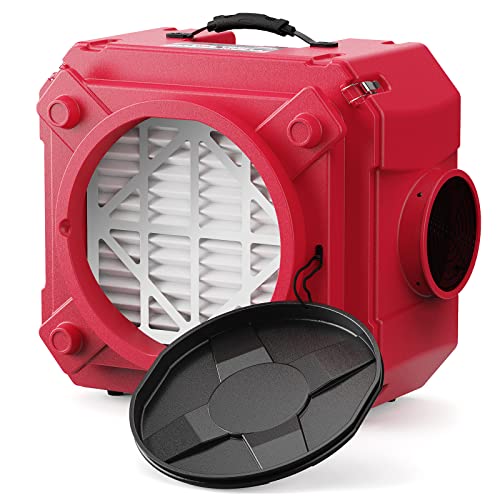
- HEPA Air Scrubber For Smoke Damage Cleanup
- Ozone Generator For Smoke Odor Removal
- Odor Fogger For Smoke Smell Removal
- Industrial Air Scrubber With Carbon Filter For Smoke


Before You Start
Before tackling smoke odors, ensure all safety precautions are in place. Ventilate the space by opening windows and running fans to create cross-ventilation, but avoid using ozone-generating devices in occupied rooms unless safety guidelines are strictly followed. Identify the most affected areas—ceilings, walls, upholstery, and HVAC intakes—and plan a staged approach. Time estimates vary; smaller rooms may require a few hours, while larger homes or heavy smoke exposure can take days. Assess whether you need to seal off rooms to prevent re-circulation and prepare cleaning supplies like microfiber cloths, mild detergents, and appropriate protective gear.
Step-By-Step: How To Get Rid Of Fire Smoke Smell In A House
- Ventilate thoroughly by opening all possible exterior openings and using exhaust fans to push smoke-laden air outside.
- Isolate the most affected zones by closing doors and shutting off HVAC zones to prevent cross-contamination.
- Run an activated carbon filter air purifier in each primary living area to adsorb odors and volatile organic compounds (VOCs).
- Operate a HEPA air scrubber to capture fine particles that carry odor, especially in rooms with porous surfaces or fabrics.
- Use a odor fogger only as directed for enclosed spaces, following all safety instructions to distribute deodorizing agents evenly.
- Address textiles and soft furnishings: remove or thoroughly clean curtains, cushions, and blankets; consider steam cleaning or professional fabric cleaning where needed.
- Clean hard surfaces with a mild detergent solution to remove soot residues, then wipe surfaces dry to prevent streaking and further odor absorption.
- Check HVAC systems: replace air filters and have ducts cleaned if smoke spread through the system is suspected.
- Monitor indoor air quality using smart sensors or air quality meters to track odor reduction over time.
- Repeat odor control measures as needed and consider a maintenance plan with ongoing air purification to prevent recurrence.
- If odors persist after multiple rounds, consult with a professional who specializes in smoke damage restoration.
- Document the process and maintain a log of methods used to guide future preventive steps.
Troubleshooting
| Symptom | Likely Cause | Fix | Prevention |
|---|---|---|---|
| Smell remains after cleaning | Soot or VOCs trapped in fabrics | Use HEPA scrubbers and consider professional fabric cleaning | Address odor at the source early; limit re-soiling surfaces |
| Odor returns after a day | Airflow re-circulation or uncleaned ducts | Inspect HVAC and replace filters; consider duct cleaning | Seal off rooms during treatments; run continuous purification |
| Strong odors near ceilings or walls | Smoke soured wall materials or insulation | Scrub surfaces and consider painting with odor-blocking primer | Containment and targeted cleaning |
| Allergic or irritated reactions | Overuse of ozone or chemical cleaners | Discontinue ozone use; switch to non-ozone deodorants | Ventilate well during treatments |
Common Mistakes
- Relying on a single device to address all odors or residues
- Running ozone generators in occupied spaces without adhering to safety guidelines
- Neglecting fabric and carpet cleaning, which store odor for long periods
- Ignoring HVAC system contamination and not replacing filters
For persistent cases, combining multiple approaches is typically more effective than relying on one method alone.
Tips For Best Results
- Use activated carbon filtration in conjunction with HEPA purification for comprehensive odor and particulate removal.
- Schedule treatments during dry, cool days to support faster drying of cleaned surfaces.
- Test a small area before applying cleaners to avoid discoloration on walls or fabrics.
- Keep rooms sealed during odor neutralization to prevent fresh air from reintroducing smells.
- Maintain a log of devices used, duration, and outcomes to optimize future restoration work.
Call A Professional
Professional help is advisable when smoke damage is extensive or if occupants experience persistent irritation. Stop signs include worsening symptoms, structural damage, or widespread odor despite repeated treatments. A certified restoration pro can perform advanced duct cleaning, deodorization, and material evaluation to determine if replacement of heavily affected items is necessary.
FAQ
Can I use an ozone generator for smoke odor removal?
Ozone generators can be effective in unoccupied spaces but pose health risks if used around people or pets. Always follow safety guidelines and consider professional supervision.
What is the fastest way to remove smoke smell from a room?
Ventilate, clean hard surfaces, and run an activated carbon filter air purifier and a HEPA scrubber in tandem for rapid odor reduction.
Will washing fabrics remove smoke odor?
Washing textiles can help, but some odors require specialized cleaning, deodorizing treatments, or steam cleaning by professionals.
Should I replace carpets or drywall after a fire smoke event?
It depends on odor persistence and material contamination. A professional assessment can determine whether replacements are needed.
How long does odor removal usually take?
Small spaces may smell neutral within hours; larger homes or heavy smoke exposure can take several days to weeks depending on severity and methods used.
Is HVAC cleaning necessary after smoke damage?
Yes. Cleaning ducts and changing filters helps prevent re-circulating odors and particles.
Buying Guide
When selecting equipment to tackle fire smoke odors, consider size, capacity, and placement. Larger rooms may require industrial-grade devices, while smaller spaces can rely on compact purifiers. Noise level matters for comfort, especially in living areas or bedrooms. Energy efficiency reduces running costs during extended restoration. Look for devices with replaceable filters and clear maintenance schedules. Placement should optimize airflow—position purifiers away from walls, near odor sources, and in lines of sight to maximize coverage. If choosing an ozone-based solution, ensure it’s used only in unoccupied areas and with proper safety measures. Compare units based on CADR (Clean Air Delivery Rate), filter life, and ease of use to select the best fit for your home’s smoke cleanup needs.