Food stains on clothing happen to everyone, from spilled sauces to coffee rings. With a little know-how and the right tools, most common stains can be lifted without damaging fabrics. This guide outlines practical steps, suitable products, and quick fixes you can use at home for durable results.
Quick Answer
Act quickly, blot gently to remove excess, treat with a stain remover recommended for your fabric, and launder as usual. For stubborn or old stains, repeat the treatment or try a targeted stain remover before washing. Always check fabric care labels first.
What You’ll Need
Having the right tools handy makes stain removal faster and safer for fabrics. The following items align with common stain-removal products you may already own or want to consider:
- Stain remover pen for clothes
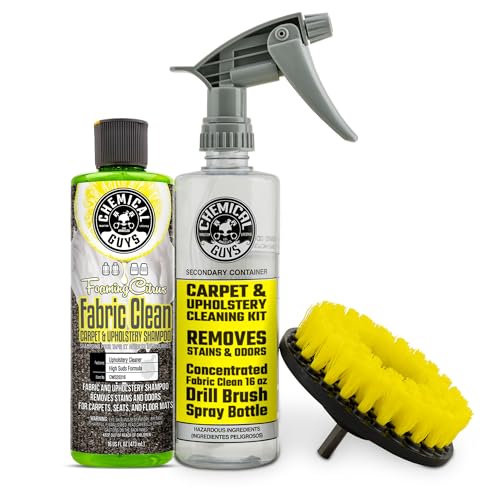
- Fabric stain remover brush kit
- Pre-wash stain treatment spray for clothes
- Garment stain remover wand
- Laundry stain remover kit with brush and sponge


Before You Start
Survey the fabric type and colorfastness by testing a hidden area before applying any product. Polyesters and blends often respond well to most removers, while delicate fabrics like wool or silk may require gentler methods or professional care. Always read the product label for usage instructions and compatibility.
Time estimates vary: light stains may respond in a few minutes to 15 minutes, while stubborn stains might require multiple treatments over several hours. Work in a clean, well-lit area and avoid heat until you’re sure the stain is removed, as heat can set many stains.
Step-By-Step: How To Remove Food Stains From Clothes
- Blot excess food with a clean cloth or paper towel. Do not rub, which can push the stain deeper.
- Rinse with cold water from the back of the fabric to push the stain out of the fibers.
- Apply a stain treatment using one of the recommended products (stain remover pen, spray, or wand). Cover evenly but avoid over-wetting delicate fabrics.
- Gently work the product in with a soft brush or the included sponge to lift the stain from fibers.
- Let dwell according to product directions—usually 5–15 minutes. For tough stains, you may repeat the application.
- Rinse again with cold water to remove residue before washing.
- Launder as usual following the garment’s care label. Use the warmest safe water and appropriate detergent for the stain type.
- Air dry and re-check the garment. If the stain persists, repeat treatment before exposing it to heat in the dryer.
Troubleshooting
| Symptom | Likely Cause | Fix | Prevention |
|---|---|---|---|
| Stain remains after washing | Stain is set or fabric is tricky | Repeat treatment, consider a stronger pre-wash option | Treat promptly; test care label first |
| Fading color | Harsh chemical or prolonged dwell | Switch to gentler product or shorten dwell time | Spot-test before full application |
| Discoloration on delicate fabric | Over-application or incompatible product | Switch to a fabric-safe cleaner or consult care label | Use targeted products for delicate fabrics |
| Stain spreads | Rubbing or aggressive scrubbing | Blot and use back-to-front rinsing | Gentle methods; avoid rubbing |
Common Mistakes
- Waiting too long to treat a stain—early action improves success
- Rubbing fabric or stain aggressively, which can embed stain fibers
- Using hot water on protein-based stains (like dairy or egg)
- Using the wrong product for a fabric type
- Skipping a test on a hidden fabric area
Tips For Best Results
- Always start with cold water for most food-based stains to prevent setting.
- Pre-treat with a product designed for your fabric type (cotton, synthetics, blends).
- For layered sauces or oil-based stains, apply a grease-cutting prewash spray before the main treatment.
- After treatment, launder as soon as possible to prevent re-staining.
- If you’re unsure, air on the side of gentler products and shorter dwell times to protect fabrics.
Call A Professional
Consider professional help if stains are large, set-in, or on highly delicate fabrics such as silk, cashmere, or wool. Seek services when repeated treatments fail or if the garment has sentimental or high-value significance.
FAQ
What should I do first when I spill food on clothes?
Gently blot the excess, rinse with cold water, and apply a stain remover suited to the fabric.
Can I use regular detergent to treat stains?
Detergent can help for some stains, but targeted stain removers often perform better on tough or set-in stains.
Is heat safe for all stains after treatment?
No. Heat can set many stains; wait until you are sure the stain is fully removed before drying or ironing.
Do stain removers expire?
Yes. Check the product label for shelf life and replace old products to maintain effectiveness.
Is there a difference between a stain remover pen and spray?
Pen applicators are precise for spot treatment; sprays cover larger areas and can be more convenient for multiple stains.
Buying Guide
When choosing stain-removal products for home use, consider size, spray or pen design, and compatibility with fabrics. Look for a versatile kit that includes brushes and sponges for agitating fibers. For households with varied fabrics, a pre-wash spray combined with a fabric-safe wand offers flexibility. Consider stain removers that are easy to store, quick-acting, and clearly labeled with care instructions. If you frequently deal with multiple stain types, a kit that bundles a brush, sponge, and pen or wand can reduce the time spent switching tools. Finally, read consumer reviews to gauge real-world effectiveness on common foods like sauces, dairy, and coffee.
Buying Guide: Size, Noise, And Placement
For stain removal tools, size matters less than effectiveness and storage convenience. Look for compact bottles or multi-tool kits that fit in a pantry or laundry cabinet. Noise is not a factor for most tools, but consider how quickly the product works and whether you need to apply repetitively. Energy usage is not a concern for manual tools; select products that require minimal energy input (manual brushes and wands vs. electric devices). Place stain-removal products near the laundry area or in a designated cleaning station for easy access. For households with children or pets, choose non-toxic, skin-safe formulations and store products securely out of reach.