Permanent marker on wood can be a stubborn stain, but with the right approach, most marks can be significantly lightened or removed. This guide outlines practical steps, common products, and proven methods to restore wood finishes without damaging the surface.
Quick Answer
Start with a gentle cleaner like a melamine foam sponge and test in an inconspicuous area. If the mark persists, try a wood stain remover solvent spray or a dedicated marker remover kit. For tougher stains, an oxalic acid cleaner or an abrasive scrub pad can help, followed by a finishing repair kit to restore color and sheen. Always spot-test first and work gradually to avoid damage.
What You’ll Need
- Melamine foam sponge / Magic Eraser
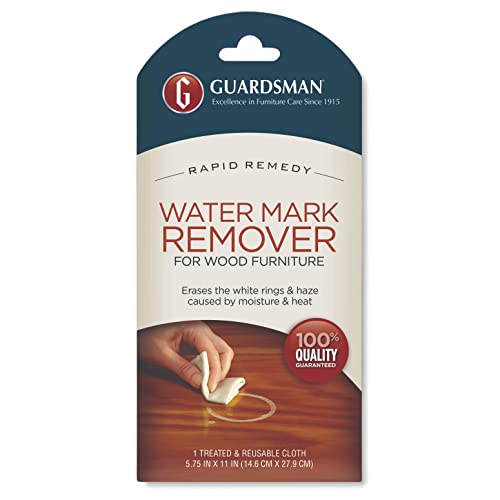
- Wood marker remover (specialized cleaners for marker marks)
- Wood stain remover solvent spray for marker marks
- Oxalic acid wood cleaner marker stain remover kit
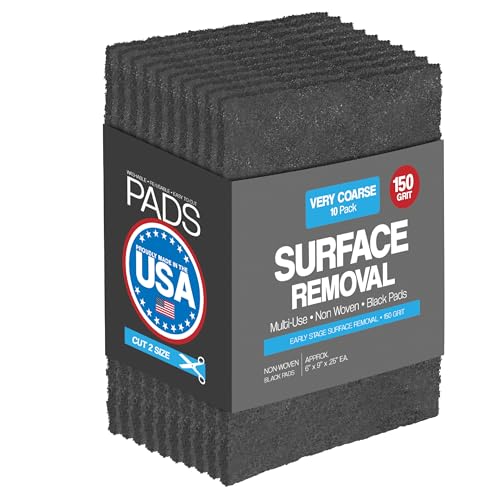
- Abrasive scrub pad for wood marker removal
- Wood finishing repair kit for marker scratch and stain remover

Before You Start
Assess the wood type and finish. Test all products in an inconspicuous area to avoid surface dulling or discoloration. Use protective gloves and work in a well-ventilated space. For unfinished wood, proceed with caution to prevent water or chemical damage. Time estimates vary by stain depth: light marks may take minutes, deep stains may require multiple passes or a combination of products.
Cautions: Avoid harsh solvents on waxed or shellacked finishes unless the product is specifically labeled for such surfaces. Do not rub aggressively, which can spread the marker or scratch the wood. If you see any peeling, discoloration, or finish damage, pause and reassess with a gentler method.
Step-By-Step: How To Remove Permanent Marker From Wood
- Gently lift surface residue with a dry microfiber cloth to prevent rubbing ink deeper into wood pores.
- Test a melamine foam sponge on a hidden area; dampen slightly and rub the marker, using light pressure in a circular motion.
- If needed, apply a small amount of wood marker remover and work the area in short strokes. Wipe away residue frequently.
- For stubborn marks, spray a light mist of wood stain remover solvent spray for marker marks and allow to sit for 30–60 seconds before blotting.
- Apply an oxalic acid wood cleaner marker stain remover kit according to the label, focusing on the stained region. Rinse with a damp cloth and dry.
- Use an abrasive scrub pad with a gentle pressure to target embedded ink, then wipe clean. Rinse and repeat as necessary.
- Assess progress. If the color remains, switch to the wood finishing repair kit marker scratch and stain remover to restore tone and sheen.
- Lightly sand with fine grit if the finish appears dulled, then re-apply a compatible finish or topcoat to blend repairs.
- Polish the area with a soft cloth and inspect for even color and texture across the treated area.
- Repeat steps only on the affected zone to prevent over-processing surrounding wood.
Troubleshooting
| Symptom | Likely Cause | Fix | Prevention |
|---|---|---|---|
| Ink remains after first pass | Ink deeper in pores or finish resistant | Repeat with a gentler method, or switch to a specialized marker remover kit | Test small area first; work gradually |
| Finish dulls or spots | Over-aggressive cleaning or solvent exposure | Gently re-wipe with water, dry, and re-coat finish if needed | Use milder products and follow label instructions |
| Discoloration after cleaning | Wood stain reacts to cleaner | Apply a matching wood stain or finish repair to even out | Spot test and choose compatible products |
| Residue left from foam sponge | Foam particles trapped in grain | Wipe with a clean, damp cloth and dry thoroughly | Rinse sponge regularly during use |
Common Mistakes
- Using overly harsh solvents on a finish not designed for them
- Rubbing hard, which can spread ink or scratch wood
- Skipping a test patch and applying products to a large area
- Overlooking the need to recoat or blend after stain removal
Careful, incremental steps usually yield the best results without compromising the wood’s integrity.
Tips For Best Results
- Always start with the mildest option and escalate only if necessary
- Keep finishes and stains compatible with the wood species and existing finish
- Use a soft brush or pad for even application to minimize streaks
- Work in a well-lit area to clearly see progress and color changes
- Document the products used for future touch-ups or repairs
Call A Professional
Stop and call a pro if any of these occur: large areas of finish damage, deep gouges, or stains that spread beyond the marked region after multiple attempts. Signs to seek help include persistent discoloration, warping, or a finish that peels when cleaners are applied.
FAQ
Can I remove permanent marker from all wood finishes?
Most common finishes respond to gentle cleaners, but highly lacquered or veneered surfaces may require specialized methods or professional refinishing.
Will these methods remove the wood stain as well?
Some processes may lighten or alter stain; always test a hidden spot first and proceed cautiously.
What should I do if the marker transfers to adjacent surfaces?
Wipe surrounding areas promptly with a damp cloth and avoid spreading the ink; re-test any cleaner on inconspicuous areas.
How long does this process typically take?
Light marks can improve in minutes; deeper stains may take multiple passes over several hours.
Is sanding ever required?
Yes, if the finish is dulled or the color is uneven after cleaning, light sanding with fine grit can help restore uniformity.
Should I seal the area after removal?
Yes, reapplication of a compatible finish or topcoat helps protect the repaired area from future marks.
Buying Guide
When selecting products to remove permanent marker from wood, consider size and surface compatibility, noise level of tools, energy efficiency, and user controls. Color-matching options and finish compatibility matter for seamless repairs. Think about placement: indoor work areas benefit from odor-control formulations, while outdoor projects require durable, UV-resistant finishes. Compare options across a few reputable brands, and prioritize kits or cleaners designed specifically for marker removal on wood. If in doubt, start with milder cleaners and escalate as needed to protect the wood’s integrity.