Smoke damage and lingering odors can cling to painted walls, leaving behind dull residues and a stubborn scent. A simple, low-cost solution is a vinegar-based cleaning routine. This guide outlines practical steps, safe supplies, and common pitfalls to help American homes restore wall surfaces without harsh chemicals.
Quick Answer
Use a diluted white vinegar solution to wipe walls, followed by a gentle rinse and dry. For stubborn soot or odor, repeat with a suitable cleaning tool and finish with odor absorbers. Always test a small area first and avoid abrasive scrubbing on delicate finishes.
What You’ll Need
- 32 oz spray bottle for vinegar cleaning
- 500–1000 ml bucket for rinse water
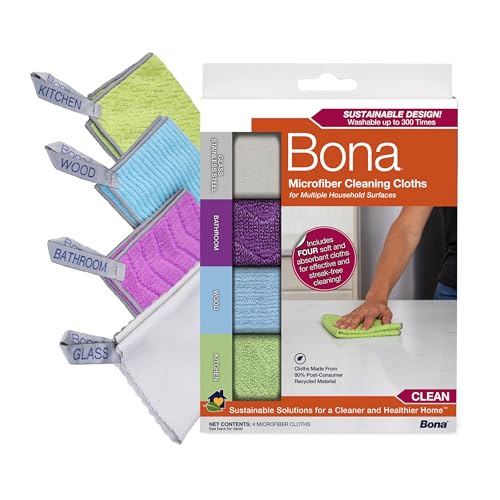
- Microfiber wall cleaning cloths for smoke odor
- Wall scrub brush with long handle
- Extendable mop with scrubbing head for walls
- Non-scratch sponge scrubber for painted walls


Before You Start
Prepare the room by removing furniture or covering items with drop cloths. Wear gloves and ensure good ventilation; open windows or run a fan. Test the cleaning solution on a small inconspicuous area to check for colorfastness or finish damage. Time estimate: 1–2 hours for a typical room, more if ceilings or extensive soot are present. Important: never use undiluted vinegar on delicate wallpaper or matte finishes, as it can cause discoloration.
Step-By-Step: How To Clean Smoke Off Walls With Vinegar
- Mix a vinegar solution by combining 1 cup distilled white vinegar with 1 gallon warm water in the spray bottle.
- Lightly mist a small area on the wall and wait 30–60 seconds to loosen soot before wiping with a microfiber cloth.
- Wipe in a downward motion, starting from the top and moving toward the floor to avoid reapplying grime to upper sections.
- For textured or non-painted surfaces, use a non-scratch sponge scrubber to lift soot without scratching.
- For larger or hard-to-reach areas, use an extendable mop with scrubbing head or a wall scrub brush with long handle to reach high spots and corners.
- Rinse the cleaned area with a cloth dampened in clean water to remove any vinegar residue, then dry with a clean microfiber cloth.
- If smoke odor persists, repeat the cleaning cycle or apply a second pass with a milder solution and ensure thorough drying.
- Apply a light deodorizing spray or place odor absorbers (baking soda or activated charcoal) in the room after cleaning and airing out.
- Inspect for remaining stains. For stubborn marks on painted walls, consider repeating with a gentler approach or moving to a depth-cleaning product specifically made for walls.
- After completion, rehang furniture and wash any washable textiles in the space to remove residual smoke particles.
- Document any areas that showed finish damage or paint peeling for professional assessment if needed.
Troubleshooting
| Symptom | Likely Cause | Fix | Prevention |
|---|---|---|---|
| Faint vinegar odor lingers | Insufficient airing or quick drying | Increase ventilation, run a fan for several hours | Ventilate during and after cleaning |
| Discoloration on painted walls | Undiluted vinegar or aggressive scrubbing | Stop using harsh scrubs; dilute vinegar further and test area | Always test first; use soft tools |
| Streaks or watermarks | Uneven drying | Wipe with a dry microfiber cloth in a final pass | Wipe sections systematically from top to bottom |
| Soot remains in crevices | Area behind trim or baseboards | Use long-handled brush and rinse frequently | Include corners and edges in each pass |
Common Mistakes
- Using straight vinegar on delicate finishes or wallpaper
- Over-wetting walls, which can cause damage or peeling
- Scrubbing too aggressively on painted or glossy surfaces
- Skipping test patches before full-area cleaning
Stick to a gentle approach and follow a top-down method for best results.
Tips For Best Results
- Always start high and work down to prevent recontamination of cleaned areas.
- Use microfiber cloths; they trap soot without grinding it into the paint.
- Temperature and humidity play a role; slightly warm water can help dissolve residues.
- For persistent odors, combine cleaning with activated charcoal or baking soda placed in bowls around the room.
- Label and date any reused vinegar solution; replace if it becomes heavily soiled.
Call A Professional
Seek professional help if:
- There is extensive smoke damage across multiple walls or ceilings
- Paint is peeling or surfaces are water-stained after cleaning
- Odors persist despite repeated cleaning and deodorizing efforts
- Structural elements show soot buildup or signs of fire damage
FAQ
Can I use apple cider vinegar instead of white vinegar?
White vinegar is preferred for its neutral scent and clear color. Apple cider vinegar may leave color-tinted residues on certain surfaces.
Is vinegar safe for all wall finishes?
Vinegar is safe on most painted walls but should be avoided on delicate wallpapers or matte finishes without a test patch.
How long should walls dry after cleaning?
Drying times vary with room temperature and humidity but typically range from 30 minutes to a few hours.
Will vinegar remove smoke odors completely?
Vinegar helps reduce odors, especially when combined with proper ventilation and odor absorbers. Some cases may require additional deodorizing steps.
Buying Guide
When choosing tools and supplies to clean smoke off walls with vinegar, consider size, material compatibility, and ease of use. A practical kit should combine flexibility, reach, and gentle cleaning power. Here are key buying factors:
- Wall cleaning tools: An extendable mop with scrubbing head and a long-handle wall brush increase reach for high ceilings and air vents without ladders.
- Non-scratch options: Non-scratch sponge scrubbers and soft microfiber cloths protect painted surfaces while lifting soot.
- Vinegar storage: A 32 oz spray bottle provides convenient, controlled application and reduces waste for small rooms.
- Odor control: Microfiber cloths help remove residues, while odor absorbers in the space can improve air quality during and after cleaning.
- Surface compatibility: Check finish recommendations on painted walls and test patches before full cleaning.
Consider a bundled kit that includes a spray bottle, microfiber cloths, and a reachable scrub brush to streamline the process. For larger homes, opt for refillable bottles and durable tools designed for frequent use. If walls include delicate finishes or wallpaper, you may want to consult manufacturer guidelines or a pro before proceeding.