Tarnish buildup can dull the shine of silver, copper, and brass items. This practical guide explains a safe, effective approach using common tools and products, aimed at American households seeking DIY maintenance without damaging delicate finishes.
Quick Answer
For small silver, brass, or copper items, start with a soft polishing cloth and a gentle tarnish remover kit. For deeper tarnish or intricate pieces, use an ultrasonic cleaner with a suitable cleaning solution, followed by polishing to restore shine. Avoid abrasive pads on fragile finishes and test any cleaner on a hidden spot first.
What You’ll Need
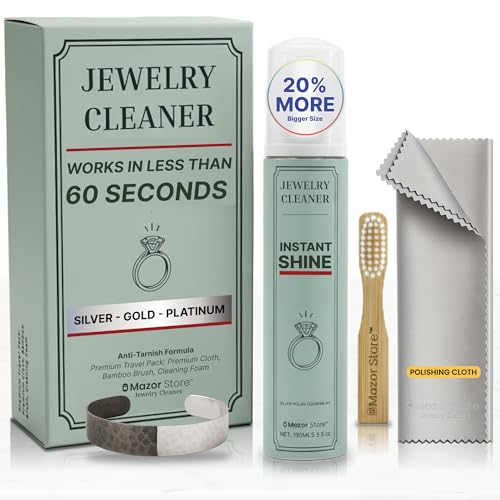
- Silver tarnish remover kit with polishing cloths
- Ultrasonic jewelry cleaner 40kHz tarnish removal
- Brass copper tarnish remover polish kit
- Jewelry polishing cloths and silver cleaner set
- Patina remover cream for copper brass tarnish

Before You Start
Assess the item’s material and any coatings or stones. Read product labels for metal compatibility. Work in a well-ventilated area and wear gloves to protect skin. Test cleaners on a small inconspicuous area before full application. Plan for time: simple polish sessions can take 15–30 minutes, while deeper cleaning may require multiple passes.
Caution: Some patinas are intentional finishes that should not be removed unless you intend a restore. If a piece has sentimental value or delicate stones, consider professional care.
Step-By-Step: How To Clean Tarnish
- Identify the metal type and any coatings to choose the correct cleaner.
- For routine maintenance, dust with a microfiber cloth to remove surface debris.
- Apply a small amount of a silver tarnish remover kit or patina remover cream to a soft cloth and rub gently in circular motions.
- Rinse or wipe away residue with a clean, damp cloth; dry thoroughly to prevent water spots.
- For heavy tarnish, place the item in an ultrasonic jewelry cleaner with a compatible cleaning solution and run a short cycle as directed by the manufacturer.
- Remove and rinse the item, then dry completely before applying a polishing cloth for a final buff.
- Use a jewelry polishing cloth to restore luster on raised surfaces, avoiding contact with stones or delicate enamel.
- If using a brass copper tarnish remover polish kit, follow the kit’s instructions and avoid over-polishing to maintain patina where desired.
- Repeat steps for stubborn areas, testing in a hidden spot after each pass.
- Finish with a light protective wipe to slow future tarnish buildup.
- Store cleaned items in a dry, low-humidity environment or in anti-tarnish bags to extend shine.
- Document any finishes or coatings to guide future maintenance decisions.
Troubleshooting
| Symptom | Likely Cause | Fix | Prevention |
|---|---|---|---|
| Persistent dark spots after cleaning | Residual tarnish in crevices | Spot-clean with a soft brush and a small amount of cleaner | Pre-clean with gentle technique; avoid over-wetting |
| Discoloration on patinated finishes | Over-polishing or wrong cleaner | Stop applying product; consult product instructions | Match cleaner to metal and finish |
| Streaks or water spots | Moisture left on surface | Dry thoroughly; buff with a dry cloth | Wash and dry promptly after cleaning |
| Stones loosened | Cleaner contacted setting or adhesive | Rinse quickly and avoid solvents near stones | Use cloth-only cleaning near stones |
Common Mistakes
- Using abrasive pads on silver, brass, or copper, which can scratch finishes.
- Over-immersing items with delicate stones or porous inlays in ultrasonic cleaners.
- Applying cleaners to entire jewelry pieces that include gemstones or enamel without testing first.
- Neglecting to dry items completely after cleaning, promoting new tarnish formation.
Tips For Best Results
- Test any cleaner on a hidden area before full use to avoid damage.
- Use soft cloths and gentle motions to minimize wear on delicate surfaces.
- For regular upkeep, perform light cleaning every few weeks to prevent heavy buildup.
- Store pieces in airtight or anti-tarnish environments when not in use.
- Label care instructions on heirloom items to guide future maintenance.
Call A Professional
Seek professional help if tarnish is extensive and affects the integrity of the piece, if items are very old or valuable, or if stones are involved and could be damaged by cleaning agents. Stop cleaning and consult a jeweler if you notice cracking, loosening settings, or altered finishes that might indicate deeper issues.
FAQ
What is the safest way to remove tarnish from silver?
Use a silver-specific tarnish remover kit or polishing cloth, following manufacturer directions and avoiding harsh abrasives.
Can ultrasonic cleaners damage jewelry?
Ultrasonic cleaning is generally safe for metal pieces but can loosen stones or damage delicate features. Test compatibility and follow cycle recommendations.
Is patina removal always reversible?
Patina removal can change the intended character of copper or brass surfaces; assess whether restoration aligns with the piece’s value and aesthetic.
How often should I clean tarnish-prone items?
Light cleaning every few weeks helps prevent heavy buildup; deeper cleanings can be scheduled monthly or quarterly depending on exposure.
Are there eco-friendly tarnish removers?
Some brands offer non-toxic or low-chemical formulations; check labels and choose products with safer environmental profiles.
Buying Guide
When choosing tarnish-cleaning tools and products, consider size, comfort, and compatibility with metals. A compact kit may suffice for rings and small pieces, while a comprehensive kit is better for earrings, bracelets, and sets. Noise levels and energy use matter for ultrasonic devices, especially in small living spaces. Look for adjustable cleaning cycles and clear safety instructions. For placement, keep cleaners away from heat, moisture, and direct sunlight. Compare options by metal compatibility, included accessories, and storage solutions. A balanced approach combines a tarnish remover kit for routine care with an ultrasonic cleaner for tough buildup, plus dedicated polishing cloths for a showroom finish.