Cleaning a sink stopper and drain is a common household task that prevents clogs and keeps water flowing freely. This guide covers practical steps, the right tools, and safe practices for American homes. The approach works for bathroom and kitchen sinks, using readily available drain tools and basic maintenance habits.
Quick Answer
To clean a sink stopper effectively, remove the stopper, clear hair and debris, scrub the stopper and drain, and reassemble. If the drain remains slow, use a drain auger or brush-and-augur combo to clear deeper blockages. Regular maintenance reduces future clogs.
What You’ll Need
Gather a practical set of tools to address most stopper and drain issues. The items below align with common household drain maintenance tasks.
- Stainless steel sink drain cleaning brush
- Handheld drain snake for bathroom sink
- Adjustable plumber’s pliers to remove sink stopper
- Sink stopper removal tool kit
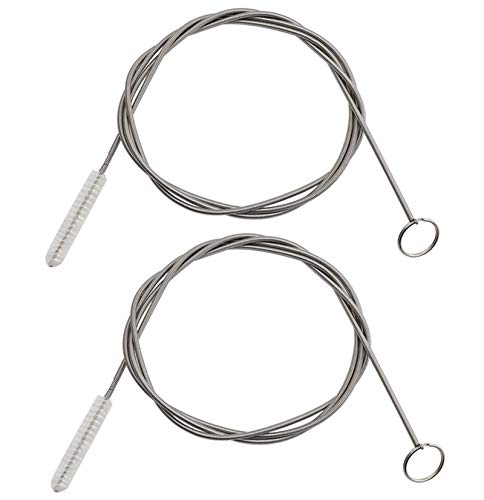
- Drain cleaning brush and auger combo for kitchen sink


Before You Start
Prepare a clean work area under the sink and have a bucket or towels ready for any spills. Turn off any water supply if needed and ensure you have adequate lighting. Allow a few minutes to assemble tools and read the steps. Safety notes: wear gloves to protect hands from sharp edges and avoid using excessive force that may damage the stopper or pipes.
Step-By-Step: How To Clean A Sink Stopper
- Identify the stop and location: Determine whether you have a pop-up stopper, cap stopper, or lift-and-turn style, and locate the retaining nut or rod underneath the sink.
- Remove the stopper: Use adjustable plumber’s pliers to loosen and remove the stopper rod or nut. If needed, use the sink stopper removal tool kit to extract the stopper carefully.
- Inspect for debris: Check the stopper and the opening for hair, food particles, and mineral build-up. Set debris into a bucket for disposal.
- Clean the stopper: Scrub the stopper with a drain brush or sponge. Pay attention to any rings or seals that may trap gunk.
- Clean the drain opening: Clear the drain where debris collects. Use a drain cleaning brush to reach into the trap area and remove buildup.
- Clear the trap and pipe path: If the drain remains sluggish, insert a handheld drain snake into the drain. Push and twist to break up clogs, then pull out slowly to remove the debris.
- Reassemble and test: Reattach the stopper rod and test the sink with water. If water drains slowly, repeat cleaning or try a longer auger run.
- Routine maintenance: Clean the stopper monthly and inspect the linkage for wear to prevent future jams.
- Optional deeper clean: Use a drain cleaning brush and auger combo for kitchen sinks to address more stubborn clogs beyond the trap.
- Final check: Run warm water for several seconds to ensure smooth drainage and confirm the stopper seals properly.
- Storage and disposal: Return tools to their storage area and dispose of collected debris into the trash, not the sink.
Troubleshooting
| Symptom | Likely Cause | Fix | Prevention |
|---|---|---|---|
| Water drains slowly after cleaning | Partial clog remaining in the pipes | Repeated use of handheld drain snake or drain cleaning brush and auger combo | Regular maintenance; avoid pushing large debris into the drain |
| Stopper won’t seal tightly | Worn seal or misalignment | Inspect and adjust linkage; replace stopper if needed | Gentle handling during removal and reassembly |
| Debris returns after cleaning | Trap is clogged or venting issue | Clean trap and consider professional inspection for vents | Periodic trap cleaning every few months |
| Drain smells foul | Organic buildup in trap | Clean trap, run hot water with a small amount of baking soda and vinegar (if safe for pipes) | Avoid disposing grease down the drain |
Common Mistakes
- Using excessive force to pull the stopper can damage rods or the sink assembly.
- Forcing the drain snake without twisting can wrap and break the auger.
- Failing to remove hair and gunk before reassembling can lead to immediate re-clogging.
- Neglecting regular maintenance allows buildup to accumulate again quickly.
- Using harsh chemicals can damage seals and pipes.
Tips For Best Results
- Schedule routine cleanings every few months to minimize clogs and preserve stopper operation.
- Use a drain brush with flexible bristles to reach tight bends in the trap area.
- Warm water flushing after cleaning helps carry away loosened debris.
- Store tools in a designated kit for quick access when a clog occurs.
- Test the stopper’s movement after reassembly by lifting and lowering it several times.
Call A Professional
Seek professional help if the drain remains clogged after multiple attempts, if there is persistent leakage around the stopper, or if you detect corroded pipes, significant damage, or unusual odors. Stop tasks that involve harmful smells, sewage backup, or water leaks that could indicate a larger plumbing issue.
FAQ
How do I remove a stubborn sink stopper?
Use adjustable pliers to loosen the stopper rod, then pull the stopper out. If needed, a dedicated sink stopper removal tool kit can assist with difficult fittings.
Can I use household chemicals to clear a clog?
Only if the products are labeled safe for your sink type. Harsh chemicals can damage pipes and seals; start with mechanical tools first.
What is the best tool for kitchen sink clogs?
A drain cleaning brush and auger combo works well for kitchen sinks, especially for grease and food debris in the trap and pipes.
Is it necessary to remove the trap during cleaning?
Not always, but removing the trap allows full access to blockages and makes cleaning more thorough. Exercise caution when handling traps.
How often should I clean a sink stopper?
Clean the stopper and trap every 3–6 months, or sooner if you notice slower drainage.
What maintenance prevents clogs?
Regularly clear hair and gunk from the stopper area, run hot water after use, and avoid pouring grease or coffee grounds down the drain.
Buying Guide
When choosing tools for sink stopper maintenance, consider size, material, and handle comfort. For example, a stainless steel sink drain cleaning brush lasts longer and resists corrosion in moist environments. A handheld drain snake designed for bathroom sinks should be compact yet long enough to reach common trap configurations. An adjustable plumber’s pliers helps with stopper removal and rod adjustments. A dedicated sink stopper removal tool kit simplifies stubborn assemblies. A drain cleaning brush and auger combo covers most kitchen and bathroom scenarios, combining scrubbing action with augering power.
Key buying factors include:
- <bSize and compatibility: Ensure tools fit your sink configuration and stopper type.
- <bDurability: Look for corrosion-resistant materials and robust construction.
- <bEase of use: Ergonomic handles and intuitive tool heads save time.
- <bMaintenance needs: Tools that clean up easily reduce future effort.
- <bSafety features: Protective grips and non-slip surfaces help prevent slips during use.
Placement considerations include keeping tools in a labeled kit under the sink and organizing cords or hoses to avoid tangling. If a clogged drain recurs frequently, consider whether the issue is local or part of a larger plumbing system that may require professional assessment.